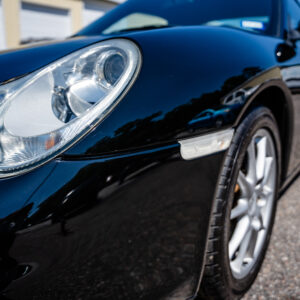
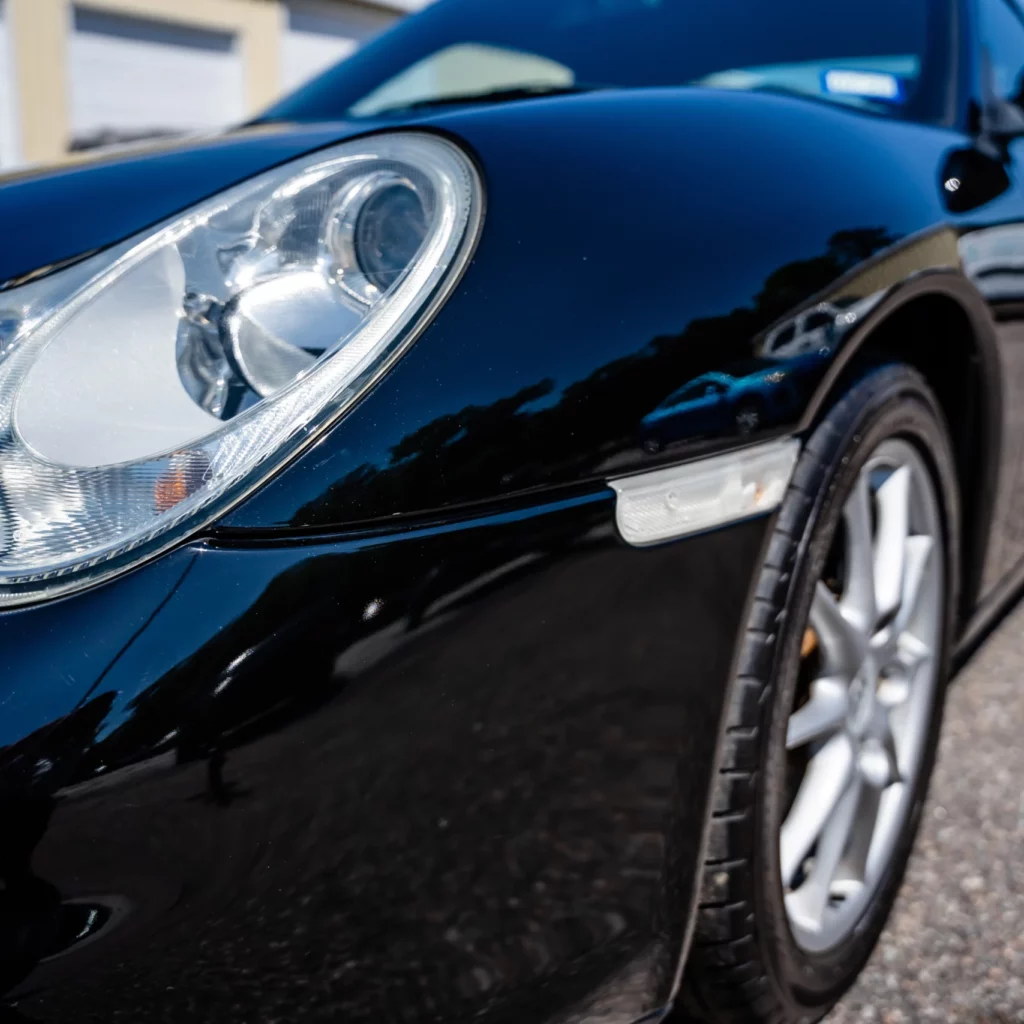
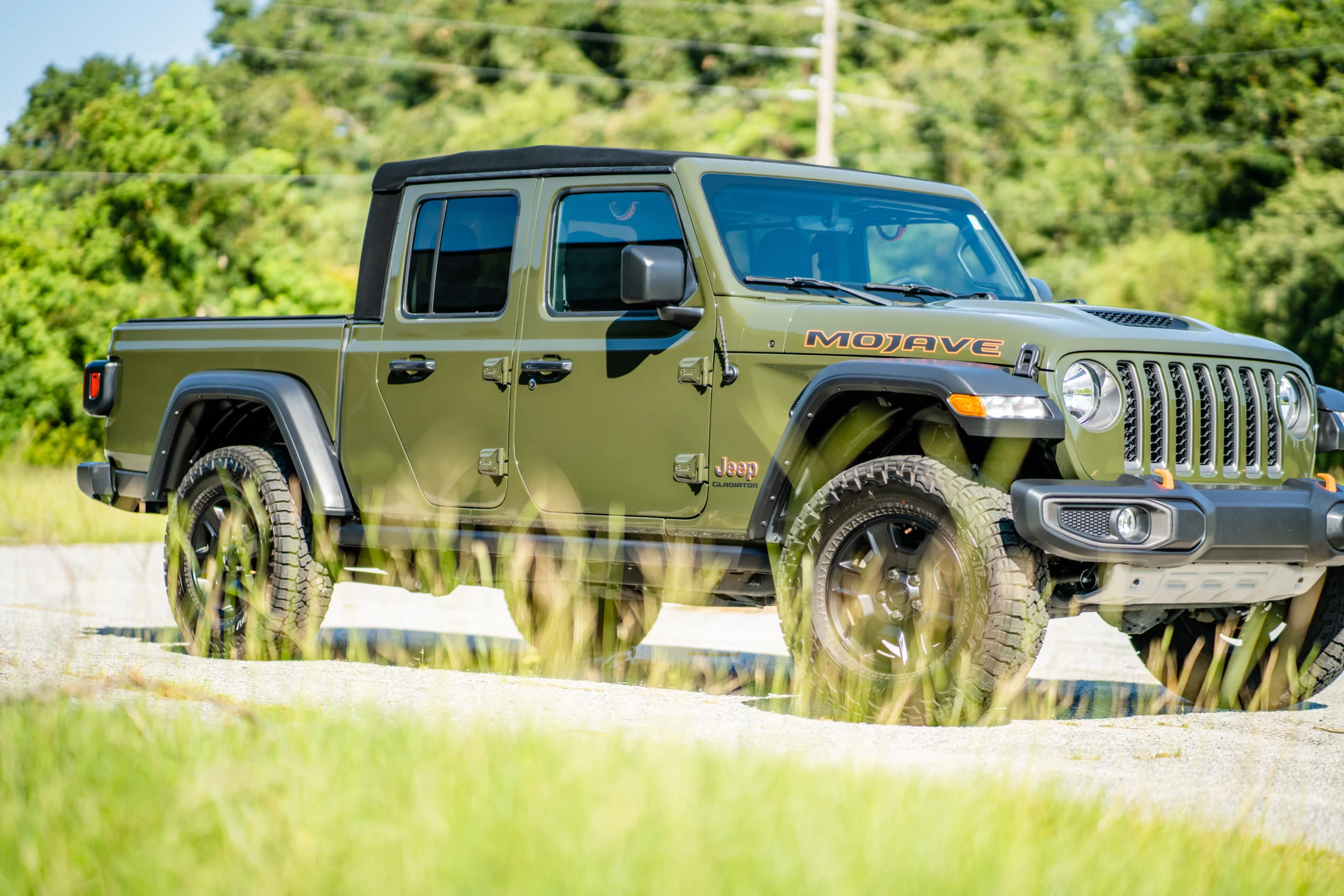
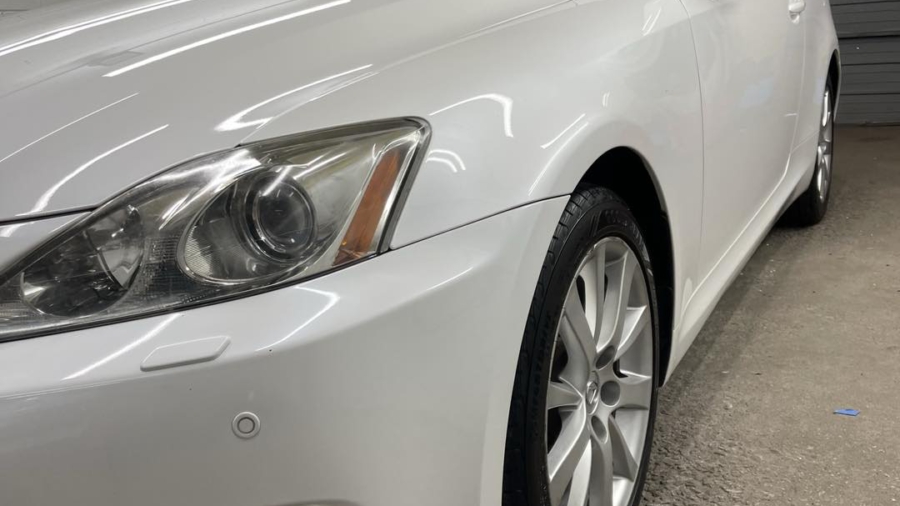
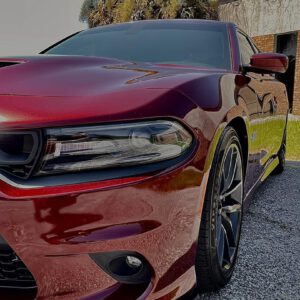
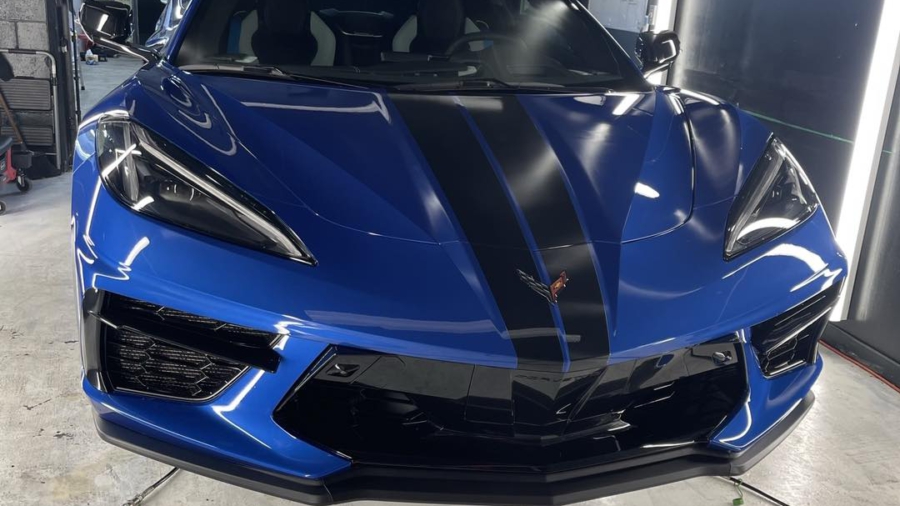
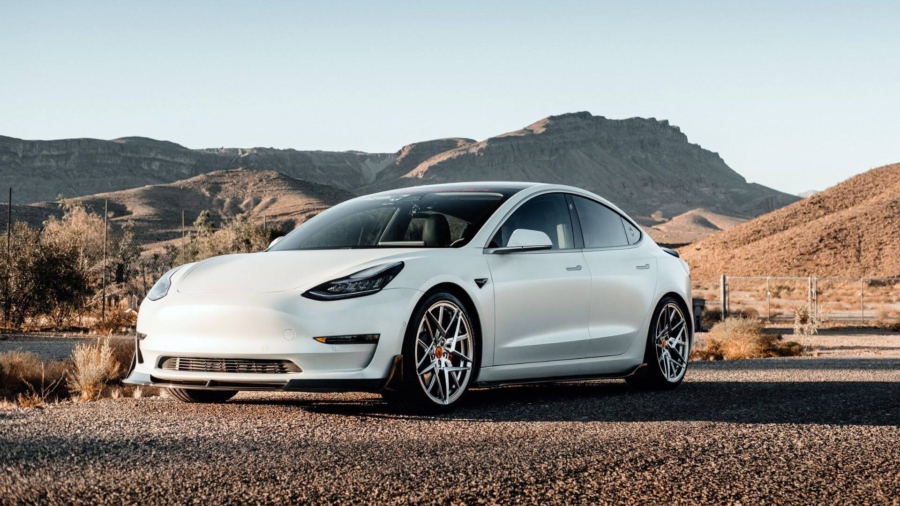
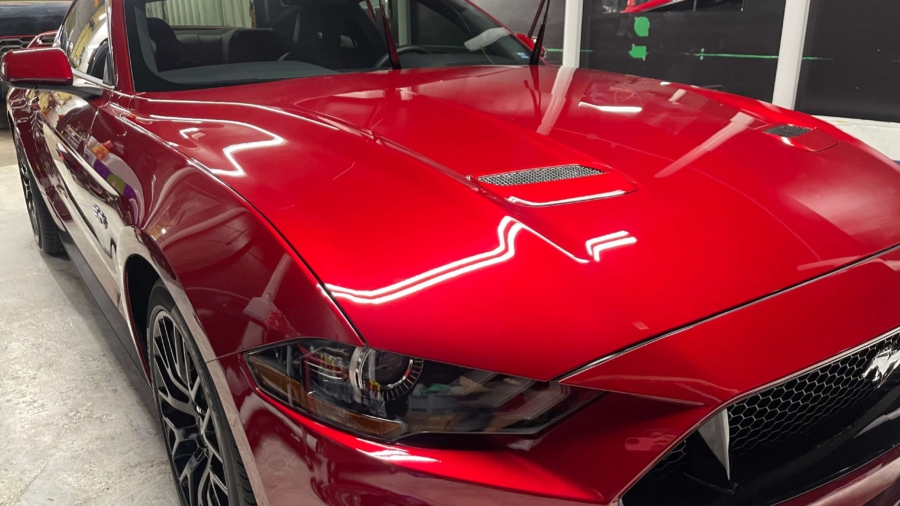
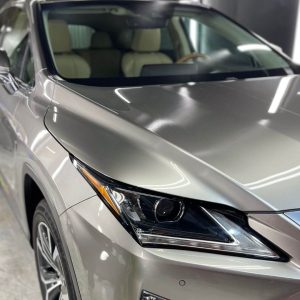
Your car’s paint job probably doesn’t look as flawless as when you first drove it off the dealer’s lot. Swirl marks, scratches, oxidation, and fading can make the exterior appear dull and weathered. But don’t despair – ceramic coating offers a cost-effective way to restore that showroom shine.
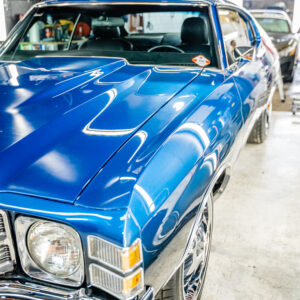
Unlike waxes that require frequent reapplication, professionally applied auto ceramic coatings create a durable, transparent shield that bonds to your car’s clear coat. This nanotechnology treatment fills surface imperfections in the paint for an ultra-glossy, wet look that unveils the true vibrancy of your vehicle’s color.
Ceramic coatings also provide excellent protection compared to other hydrophobic coatings and paint sealants. The liquid glass-like barrier repels water, chemicals, and UV rays. Since less dirt and dust stick to the smooth ceramic coating, you’ll spend less time washing. And minor scratches become far less common due to the enhanced surface hardness.
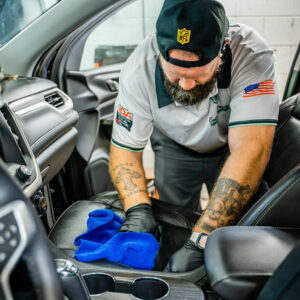
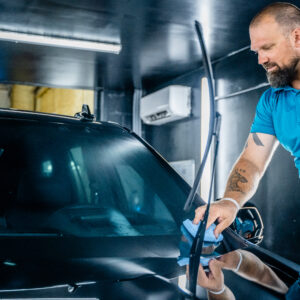
When considering ceramic coating, choose an experienced, reputable shop like Summer Breeze Ceramic Coating & Mobile Detailing. Our technicians follow meticulous processes to prep, polish, and apply leading ceramic coat brands such as Fireball. We ensure that the layers cure evenly across all painted exterior parts for durability measured in years rather than months like traditional waxes.
So if your car’s paint has lost some luster, let the professionals at Summer Breeze Ceramic Coating & Mobile Detailing renew its appearance with ceramic coating services. We guarantee the results will have your car looking better than the day you bought it! Contact us today to schedule an appointment.
Buying an Aston Martin is an investment in style, performance, and prestige. But how do you make sure your sleek ride keeps turning heads and retains its value over time?
Well, one word springs to mind—protection. And when it comes to protecting your vehicle’s paint job and overall appearance, ceramic coating is the superhero you didn’t know you needed. So let’s dive into the world of ceramic coating and understand how it works to maintain your car’s resale value.
What is Ceramic Coating, and Why is it a Big Deal?
Ceramic coating is like giving your car a suit of armor. It’s a liquid polymer that bonds with your car’s paint, creating a layer of protection that’s tough against various elements that threaten to dull your Aston Martin’s shine. This isn’t just any wax or sealant; it’s a long-term solution that keeps your vehicle looking fresh out of the showroom for years, not just weeks.
Think of it this way: every day, your car goes to battle against sunlight, dirt, and even bird droppings. Over time, these factors can wage a war on your paint, causing it to fade and lose its glossy allure. Ceramic coating steps in as a durable shield, fending off these attacks and preserving the paint’s vibrancy.
The Benefits of Ceramic Coating for Your Car
So, why should you consider a vehicle ceramic coating? Here are a few compelling reasons:
Long-lasting Protection: Unlike traditional wax that needs reapplication every few months, a high-quality ceramic coating like Fireball Coatings offers protection for several years. This means less maintenance and more time enjoying the road.
Resistance to the Elements: Whether it’s blistering sun rays or torrential downpours, a ceramic coating keeps your paint job safe. It’s like sunscreen for your car—no more fading or oxidation under the harsh sun.
Ease of Cleaning: You know the struggle of trying to keep a black car clean? With ceramic coating, dirt and grime have a much harder time clinging to your car’s surface. A quick rinse often does the trick, making your cleaning routine a breeze.
Enhanced Gloss: Who doesn’t want their car to look shiny and new? When applied correctly, a car coating can enhance the gloss of your vehicle’s paint, ensuring it looks top-notch at all times.
Scratch Resistance: While not invincible, ceramic coatings offer a higher resistance to scratches and swirls compared to your car’s factory paint alone. This means fewer trips to the body shop for pesky blemishes.
How Ceramic Coating Keeps Your Car’s Value High
Now that we’ve covered the perks, let’s talk numbers. Your Aston Martin is an investment, remember? When it comes time to sell or trade in, you want to get the best return possible. A well-maintained exterior is a massive part of that equation.
Firstly, a car that looks better sells better; it’s that simple. If your paint is vibrant and free from defects, it signals to potential buyers that the car has been cared for. This is especially crucial for high-end vehicles where appearance is everything.
Secondly, the longevity of the coating means that you’re likely to transfer some of that protection to the new owner. This added value can be a bargaining chip to keep your asking price steady.
Choosing the Best Ceramic Coating Service for Your Luxury Vehicle
When you’re ready to take the plunge and give your Aston Martin the ceramic coating it deserves, picking the right professionals for the job is as crucial as the service itself. After all, you wouldn’t hand over the keys to your pride and joy to just anyone. Here’s what to keep in mind to ensure you’re making the best choice:
Look for Certified Professionals
You want a team that knows what they’re doing, and one way to ensure this is by looking for certifications. A certified service provider, particularly one recognized by the International Detailing Association, is a sign that they have the training and expertise to handle your car with the utmost care.
Check Out Reviews and Testimonials
Don’t just take their word for it—see what other Aston Martin owners have to say about their experiences. Reviews and testimonials can give you a glimpse of what to expect and help you gauge the quality of the service. A provider with a track record of satisfied luxury car owners is always a good sign.
Ask About the Products They Use
The quality of the ceramic coating itself makes a difference. Brands like Fireball Coatings are known for their exceptional products, and you want to ensure that the service provider uses a reputable coating that can deliver the promised benefits. Don’t shy away from asking about the products they’ll use on your vehicle.
Inquire About Aftercare
Good service doesn’t end when the coating is applied. Ask about the aftercare process, and whether they offer guidance on how to maintain your car’s new protective layer. The right team will make sure you know how to keep your car looking its best, well after you leave their shop.
Check for a Warranty
A company that stands behind its work will often offer some form of a warranty or guarantee. This can provide you with peace of mind, knowing that you’re covered if anything doesn’t live up to expectations.
Mobile Detailing: The Convenient Option
We all have busy lives, and convenience can be a game-changer. Some providers offer on-site detailing, meaning they come to you. This can be a fantastic option if you have a tight schedule but still want to ensure your car gets the treatment it needs.
Final Words: Protect and Shine
Caring for your Aston Martin with a high-quality ceramic coating is about more than just maintaining its looks—it’s about protecting your investment for the future. When you choose a reputable provider that meets these criteria, you can rest assured that your vehicle is in good hands.
Remember, your car is more than a means of transportation; it’s a statement, an experience, and a treasure. So, treat it with the respect it deserves, and you’ll enjoy not only the pleasure of driving a luxury vehicle but also the benefits of a well-maintained investment when it’s time to pass the keys to the next proud owner.
If you’re looking for top-notch ceramic coating services that check all the boxes, there’s a company that prides itself on delivering high-quality results with a team of dedicated professionals. But more on that later—for now, keep in mind that your Aston Martin is worth it, and with the right care, its value can remain as timeless as its design.
Have you ever driven your car off the lot, marveling at its shiny finish, and wished you could keep that it looking that sleek forever?
Cue ceramic coating – the superhero of car care! But once you set that gleaming barrier, how do you maintain that shine day in and day out? Buckle up, because this guide will help you maintain your vehicle after applying the best the industry can offer.
Keep It Clean – But Gently
Right after your car has been treated, the maintenance routine isn’t too far off from your standard car care – but with a few key tweaks. First things first, you’ll want to keep your ride clean. While the coating is excellent at repelling dirt and grime, regular washes are still essential.
However, treat your vehicle with a soft touch – harsh scrubbing can do more harm than good. Use mild car soap and a soft, clean wash mitt to gently lift away dirt without scratching the surface. The goal here is to maintain the integrity of the coating, so avoid abrasive tools or strong chemical cleaners.
Dry with Care
Once your car’s had a bath, avoid the temptation to let it air dry. Water spots can form, leaving behind minerals that could dull the coating’s appearance. Instead, grab a premium drying cloth – it’s like a cozy blanket for your car that soaks up water without leaving a trace. Dry your entire vehicle thoroughly, making sure to get into all the nooks and crannies where water likes to hide.
Address the Tough Spots
Every now and then, you might come across some stubborn gunk that just doesn’t want to leave. This is where a clay bar becomes your best friend. Glide it over the problem areas to pick up any stuck-on debris – think of it as exfoliating your car’s skin.
Remember, even though the coating is tough, it’s not invincible. So, use that clay bar with a gentle hand.
Regular Check-ups
The key to keeping any relationship thriving is regular check-ups – and your relationship with your car’s coating is no different. Take a moment every so often to inspect the coating, making sure it’s still performing as expected.
This doesn’t mean you need to don a lab coat and goggles, but a simple walk around the car to look for any imperfections will do the trick. If you notice that water isn’t beading up as it should or that the shine isn’t as dazzling, it might be time for a touch-up.
Wax? No Thanks!
Now, you might be wondering about wax. Historically, a good wax was a go-to for keeping a car looking fresh. But here’s the scoop: with a coating like this, wax is like bringing a flip phone to a smartphone party. The coating already offers that shiny, protective layer wax aims to provide, so adding wax on top of it is unnecessary – and can actually hinder the coating’s ability to do its job.
Easy on the Polishing
Polishing is another area where you’ll want to ease up. While Fireball ceramic coating provides a luscious shine, polishing is tempting to amplify that luster. However, polishing too often, or with the wrong products, can lead to premature wear of the coating. If you feel the need to polish, do so sparingly and always use products that are safe for ceramic-coated surfaces.
Now, doesn’t all of this sound like a cakewalk? With these tips in mind, maintaining your ceramic coated car should be just as breezy as a summer drive. Remember, the care you give your car reflects back on you every time you hit the road.
And while we’re on the topic of hitting the road – ever thought about how to keep those drives even smoother? Hint: it’s all about keeping that protective coating in top shape!
So, do you want to know the secret to a perpetually pristine car? Stay tuned, and we’ll dive deeper into this world, where the shine doesn’t fade, and your car stays looking sharp longer than you ever thought possible.
Shield Your Vehicle from the Elements with Ceramic Coating
Remember that new car shine? That’s what a solid ceramic coating can bring back, and best of all, help it stay that way. But even superheroes need a bit of upkeep. With the elements constantly at bay, here’s how you keep your car’s shield up to the task.
Look Out for Nature’s Little Surprises
Birds, bugs, and trees, oh my! They might seem harmless, but their leftovers can be tough on your car’s coating.
Don’t let bird droppings, bug splatters, or tree sap sit for too long on the surface. These contain acids that can eat away at the protective layer if they’re not washed off quickly. A quick spot clean as soon as you notice them can go a long way in preserving that glossy armor.
Mind Your Surroundings
When it’s not nature you’re battling, it’s the perils of the road. Harsh cleaners at automatic car washes or the aggressive techniques of some car wash attendants can be your coating’s downfall. So, when you give your car that bubble bath, stick to touchless washes or be hands-on with a DIY wash at home.
The Little Things Matter
Your wheels and tires might not be covered, but they deserve some love too. Keeping them clean not just adds to your vehicle’s overall aesthetic but also prevents brake dust and road grime from making their way onto your car’s coated surfaces. Simple soap and water, along with a soft brush, can keep those wheels looking as sharp as the rest of your ride.
It’s All in the Details
Just like any good habit, the more you incorporate these maintenance steps into your routine, the easier and more second nature they become. A well-maintained coating doesn’t just add to your car’s curb appeal; it preserves its value and ensures that the ride you love keeps turning heads for years to come.
Want to keep that new car feeling and not spend every weekend slaving away with a wash and wax? The answer might just be a professional coating. And if you’re enjoying the benefits of the best ceramic coating out there, like Fireball, these maintenance tips are your roadmap to long-lasting shine and protection.
Picture this: you’re cruising down the scenic roads of Hilton Head, the sun glistening off your car’s immaculate finish. It’s not just any finish – it’s protected by a top-tier ceramic coating, making your vehicle not just a mode of transport, but a shining beacon of automotive excellence.
What is Ceramic Coating?
Let’s dive into what it really is. It’s not just a fancy term thrown around by car enthusiasts; it’s a game changer in vehicle protection. Imagine a layer, invisible yet impenetrable, that guards your car’s paint against the elements. This nano-ceramic shield effectively protects against minor scratches, UV rays, and environmental contaminants. It’s like a superhero cape for your car, keeping it looking newer for longer.
The Science Behind Ceramic Coating
So, how does this magical shield work? Quality coatings like Fireball bond at a molecular level with your car’s paint, creating a durable, hydrophobic surface. This means water beads right off, taking dirt and grime with it. It’s chemistry working to keep your car pristine.
Choosing the Right Ceramic Coating Service
If you’re in Hilton Head, it’s crucial to choose the right experts. Not all services are created equal. You want an installer who not only understands the science behind the process but also treats your car with the meticulous care it deserves.
Qualities of a Top-notch Ceramic Coating Installer
Here’s what to look for in a ceramic coating service:
Expertise and Experience: The best installers have a wealth of knowledge and hands-on experience.
Quality Products: Premium products offer superior protection and longevity.
Attention to Detail: Precision in application ensures even coverage and optimal protection.
Customer Satisfaction: A reputable service prides itself on exceeding customer expectations.
The Installation Process: What to Expect
Curious about what the installation involves? It’s a meticulous process that goes something like this:
Thorough Cleaning: The car is cleaned extensively to remove any dirt and contaminants.
Paint Correction: Any imperfections in the paintwork are corrected to ensure a smooth base.
Application: The hydrophobic coating is carefully applied, layer by layer, to create a uniform protective shield.
Curing Time: The coating needs time to bond and cure, solidifying its protective properties.
Longevity and Maintenance
One of the perks of this unique method of car care is longevity. A professionally applied coating can last for years, significantly reducing the need for frequent waxing. Maintenance is relatively simple – regular washing is typically all that’s needed to keep your car looking spectacular.
Fireball Ceramic Coating
Why Hilton Head Chooses Professional Ceramic Coating
In a place like Hilton Head, where your car is often exposed to sun, sea spray, and air laden with salt and sand, a this choice isn’t even a luxury; it’s a necessity. By choosing a professional installation service, you’re not just maintaining your car’s appearance; you’re investing in its longevity and value.
The Return on Investment
While the initial cost of a professional installation may seem high, it’s a smart investment. By protecting your car’s paint, you’re preserving its value and reducing the need for costly repairs and maintenance down the line.
Ceramic Coating Installation
Conclusion: Making the Right Choice for Your Vehicle
When it comes to protecting and maintaining the beauty of your vehicle in Hilton Head, opting for a professional installation is a decision you won’t regret. It’s about more than just aesthetics; it’s about choosing the best long-term care for your vehicle.
And if you’re looking for the best in the business, consider Summer Breeze Ceramic Coating & Mobile Detailing. With their certified expertise and commitment to quality, your car will not only shine – it will radiate excellence.
As we dive headfirst into the summer season, our cars often bear the brunt of the harsh sun. The dazzling heat, the glaring rays, and the constant exposure to the elements can wreak havoc on a vehicle’s exterior. But fear not, for there is a solution – ceramic coating. This innovative technology is revolutionizing the way we protect and maintain our vehicles. But what exactly is ceramic coating, and why should you consider it?
Ceramic coating Beaufort SC is a liquid polymer that bonds with a car’s paint, forming a protective barrier. Its primary function is to shield the car’s surface from environmental hazards and maintain its pristine condition, but it offers much more. Let’s embark on a journey to understand the brilliance of ceramic coatings.
The Science Behind Ceramic Coatings
Understanding ceramic coating begins with delving into its scientific core. At its essence, ceramic coating is a liquid polymer derived from silica and other ingredients. When applied to a car’s surface, it forms a solid, glass-like layer that bonds with the paint. This bond is not merely superficial; it penetrates deep into the paint’s pores, providing long-lasting superior protection.
This bond is semi-permanent, meaning it won’t wash away or break down easily. It forms a hydrophobic layer that repels water and dirt, keeping your car cleaner for longer. Imagine driving through a muddy road after a heavy rainstorm. With a ceramic coating, the mud will slide off, leaving your car virtually untouched.
The Protective Power of Ceramic Coatings
One of the main reasons people turn to ceramic coatings is their unrivaled protective power. By forming a solid, impermeable layer over the car’s paint, ceramic coatings shield your vehicle from a plethora of environmental hazards. These include UV rays, chemical stains, oxidation, and even minor scratches.
A car parked under the sun for extended periods. Without protection, the paint will start to fade and lose its shine due to UV damage. But with a ceramic coating, the harmful UV rays are reflected off the surface, preserving the paint’s original color and gloss.
Enhancing Your Car’s Aesthetics
Protection aside, ceramic coatings also significantly enhance your car’s aesthetics. The coating gives your car a glossy, high-shine finish that makes it look brand new even years after application. It accentuates the depth and vibrancy of the car’s color, making it stand out in a crowd.
Imagine pulling up to a social event in a car that’s shining like a diamond, turning heads as it gleams under the city lights. That’s the kind of aesthetic appeal a ceramic coating can provide. Not only does it protect your car, but it also elevates its visual appeal to new heights.
Maintenance Made Easy
Ceramic coatings make maintaining your car a breeze. Since the coating is hydrophobic, it repels water and dirt, meaning your car stays cleaner for longer. This reduces the need for frequent washes and makes the cleaning process easier and quicker.
You’ve been on a long road trip, and your car is coated in a layer of dust and grime. With a traditional wax or sealant, you’d have to spend hours washing and scrubbing. But with a ceramic coating, a quick rinse is all it takes to restore your car’s shine.
Longevity: A Worthy Investment
When compared to traditional waxes and sealants, ceramic coatings offer far superior longevity. While waxes require reapplication every few months, a professional-grade ceramic coating can last for years. This durability makes ceramic coating a worthwhile investment for any car owner.
Let’s say you’ve just bought a new car and want to keep it looking its best for as long as possible. A single application of ceramic coating can maintain your car’s pristine condition for several years, saving you time and money in the long run.
The Environmental Aspect
In today’s world, we’re all striving to reduce our environmental footprint, and choosing a ceramic coating can help. Unlike some car care products that contain harmful chemicals, car detailing Beaufort SC ceramic coatings are non-toxic and eco-friendly. By reducing the need for frequent car washes, they save water, too.
Think about the amount of water used in a single car wash. Now multiply that by the number of washes you can skip, thanks to your ceramic coating. It’s a small step, but every little bit helps when it comes to preserving our planet.
DIY vs. Professional Application
Ceramic coatings can be applied at home or by a professional. DIY kits are cheaper and offer the satisfaction of doing it yourself. The application process requires precision and patience, and mistakes can be costly.
Professional application ensures perfect results. Professionals have the tools and expertise to apply the coating evenly and cure it properly. They might even offer warranties, giving you peace of mind. While it might cost more upfront, it could save you headaches down the line.
As we embrace the summer breeze, let’s also embrace the brilliance of ceramic coatings. They offer unrivaled protection, enhance aesthetics, simplify maintenance, and are a worthy investment for any car owner. And with their eco-friendly nature, they align with our efforts to preserve our planet. Whether you’re a car enthusiast, a daily commuter, or someone who simply values their vehicle, consider giving your car the gift of a ceramic coating. After all, your car deserves nothing but the best.
Frequently Asked Questions
What is Ceramic Coating?
Ceramic coating is a liquid polymer that, when applied to a vehicle’s surface, forms a protective layer that bonds with the paint. It shields the car from environmental hazards and helps maintain its pristine condition.
How Does Ceramic Coating Work?
When applied, the ceramic coating forms a solid, glass-like layer that bonds with the car’s paint. This bond penetrates deep into the paint’s pores, providing long-lasting protection. It also forms a hydrophobic layer that repels water and dirt.
How Long Does Ceramic Coating Last?
The longevity of ceramic coating varies, but a professional-grade ceramic coating can last for several years. This makes it a worthwhile investment compared to traditional waxes and sealants that require reapplication every few months.
Is Ceramic Coating Environmentally Friendly?
Yes, unlike some car care products that contain harmful chemicals, ceramic coatings are non-toxic and eco-friendly. They also reduce the need for frequent car washes, thus saving water.
Can I Apply Ceramic Coating Myself?
Yes, ceramic coatings can be applied at home using DIY kits. The application process requires precision and patience, and mistakes can be costly. If you’re unsure, it might be best to opt for a professional application.
Does Ceramic Coating Enhance My Car’s Appearance?
Absolutely! Apart from offering protection, ceramic coatings significantly enhance your car’s aesthetics. They give your car a glossy, high-shine finish that makes it look brand new even years after application.
When it comes to protecting your car’s paint, there are many options available. One popular choice is an auto ceramic coating, which provides a layer of protection against environmental contaminants and other damaging factors. But what is a ceramic coating, and how does it work? We will explore the basics of ceramic coating and explain its benefits and drawbacks.
What is a ceramic coating?
Ceramic coatings are liquid polymers that are applied to a car’s exterior surfaces to protect them from dirt, dust, scratches, and other environmental contaminants. It is a clear, thin layer that bonds to the paint, creating a hydrophobic barrier that repels water and prevents dirt and other particles from sticking to the surface.
Nanoparticles of silicon dioxide or titanium dioxide suspended in a solvent- or water-based solution make up a nanoceramic coating. These nanoparticles create a thin film that protects the car’s surface from UV rays, oxidation, and corrosion.
How does ceramic coating work?
Ceramic paint coating works by bonding with the car’s paint and creating a thin, protective layer on the surface. This layer is hydrophobic, meaning it repels water and is resistant to scratches, UV radiation, and environmental contaminants.
When applied to a car’s surface, the ceramic coating forms a chemical bond with the paint, creating a permanent barrier that is resistant to damage. The coating fills in small imperfections in the paint, creating a smooth, uniform surface that reflects light and enhances the car’s appearance.
Benefits of Ceramic Coating
There are several benefits to using ceramic coatings on your car’s surface. These include:
Protection Against Environmental Contaminants
A ceramic coating provides a layer of protection against environmental contaminants such as dirt, dust, bird droppings, and tree sap. It repels these substances, preventing them from sticking to the surface of the car and causing damage.
Enhanced Appearance
A ceramic coating creates a smooth, uniform surface that reflects light and enhances the car’s appearance. It creates a deep, glossy finish that lasts for years, making your car look newer and more attractive.
Easy maintenance
Ceramic coatings are easy to maintain and require minimal upkeep. It is resistant to water, dirt, and other contaminants, which means you can simply rinse it off with water to keep it clean.
Long-Lasting Protection
Ceramic coatings provide long-lasting protection against environmental factors such as UV radiation, oxidation, and corrosion. It can last for up to 5 years or more, depending on the quality of the coating and how well it is maintained.
Drawbacks of Ceramic Coating
While ceramic coating has many benefits, there are also some drawbacks to consider. These include:
High Cost
Ceramic coatings can be expensive, especially if you choose to have them professionally applied. DIY kits are available, but they require careful preparation and application to ensure proper bonding and protection.
Limited protection
Ceramic coating provides protection against environmental contaminants, but it is not bulletproof. It can still be scratched or damaged by rocks, gravel, or other hard objects that come into contact with the car’s surface. It is also not a substitute for regular washing and maintenance, as dirt and grime can still accumulate on the surface over time.
A professional application is required.
While there are DIY ceramic coating kits available, professional application is recommended for the best results. Improper application can result in poor bonding and reduced protection.
Ceramic Coating vs. Waxing
Ceramic coating and car wax both provide protection against environmental contaminants, but there are some key differences between the two. Waxing provides a layer of protection that lasts for a few weeks to a few months, while ceramic coatings can last for years. A ceramic-coated car is also more durable than wax, as it is resistant to scratches and UV radiation.
Another difference is the level of maintenance required. Waxing needs to be reapplied regularly, while ceramic coating requires minimal upkeep. Ceramic coating is also more expensive than waxing, but the long-term benefits may outweigh the initial cost.
Ceramic Coating Maintenance
While the ceramic coating is low-maintenance, there are still some steps you can take to ensure it lasts as long as possible. These include:
Regular washing to remove dirt and grime
Using a pH-neutral car shampoo to avoid damaging the coating
Drying the car after washing to prevent water spots
Avoiding harsh chemicals and abrasive tools when cleaning the car
Applying a topcoat or spray sealant every few months to maintain the coating’s hydrophobic properties.
How to Apply Ceramic Coating
Ceramic coating can be applied by a professional or by using a DIY ceramic coating kit. If you choose to apply it yourself, here are some general steps to follow:
Wash and dry the car thoroughly.
Clay-bar the car to remove any contaminants that may interfere with bonding.
Apply the coating to a small section of the car using an applicator pad, working in straight lines.
Buff off any excess coating with a microfiber towel.
Repeat the process for each section of the car, working from the top down.
Allow the coating to cure for at least 24 hours before exposing it to water or other elements.
DIY vs. Professional Ceramic Coating
While DIY ceramic car coating kits are available, auto detailing Beaufort SC professional application is recommended for the best results. Professional installers have access to high-quality coatings and specialized tools that ensure proper bonding and protection. They also have the expertise to apply the coating evenly and avoid common mistakes.
Ceramic Coating Cost
The price of the ceramic coating varies depending on a number of elements, such as the size of the car, the coating’s quality, and the amount of preparation necessary. While DIY kits normally cost between $50 and $200, professional treatments can cost anywhere from a few hundred to a few thousand dollars.
Ceramic Coating Durability
The durability of the ceramic coating depends on several factors, including the quality of the coating, how well it is maintained, and the environmental conditions it is exposed to. A high-quality coating that is properly applied and maintained can last for up to 5 years or more.
Ceramic Coating for Different Surfaces
Ceramic coatings can be applied to a variety of surfaces, including cars, boats, and even airplanes. It can also be used on other surfaces, such as glass and metal. It is important to choose a coating that is specifically designed for the surface you are applying it to, as different materials may require different formulations.
Myths About Ceramic Coating
There are several myths about the ceramic coating that are not true. These include:
A ceramic coating makes your car completely scratch-proof.
Ceramic coating eliminates the need for washing and maintenance.
A ceramic coating can be applied in any weather condition.
The ceramic coating can be removed easily with soap and water.
A ceramic coating can be applied to any surface.
While ceramic coatings provide a layer of protection against scratches and environmental contaminants, they are not bulletproof. Regular washing and maintenance are still required to keep your car looking its best. Ceramic coating is a popular choice for car owners to protect their car’s surface against environmental contaminants and other damaging factors. It creates a hydrophobic barrier that repels water and prevents dirt and other particles from sticking to the surface. While it can be expensive, the long-term benefits may outweigh the initial cost.
With proper application and maintenance, ceramic coatings can last for up to 5 years or more, car detailing Beaufort SC providing long-lasting protection and enhancing the car’s appearance.
Frequently Asked Questions
Is ceramic coating worth the cost? Yes, if you want long-lasting protection for your car’s surface and don’t want to apply wax or other products regularly.
Can I apply the ceramic coating myself? Yes, but it requires careful preparation and application to ensure proper bonding and protection.
How long does a ceramic coating last?
Ceramic coating Beaufort SC can last for up to 5 years or more, depending on the quality of the coating and how well it is maintained.
Can the ceramic coating be applied to any surface? No, it is important to choose a coating that is specifically designed for the surface you are applying it to, as different materials may require different formulations.
What is the difference between ceramic coating and PPF? The paint protection film is a transparent, sticky layer that is put on the surface of an automobile to guard against dings, rock chips, and other harm. While both ceramic coatings and PPF provide protection against damage, PPF is thicker and provides more comprehensive protection. However, PPF can be more expensive and is more difficult to install than ceramic coating.
Are you tired of spending hours window washing and waxing your car, only to have it quickly lose its shine and protection? If so, you may want to consider a ceramic coat, a long-lasting, protective layer that is applied to your car’s paint, providing a barrier against UV rays, dirt, and other harmful elements. We’ll explore, detail by detail, how ceramic coating works and why experts recommend it.
What is Ceramic Coating?
Ceramic coating Beaufort SC, also known as a nano-ceramic coat, is a liquid polymer that is applied to the surface of a car’s paint. It creates a strong, protective layer that is resistant to scratches, UV rays, chemicals, and other environmental factors. It is composed of small ceramic particles that adhere to the tint of the automobile and form a hydrophobic barrier that keeps water from penetrating. Consider it a complete paint correction for your car.
How Does Ceramic Coating Work?
Unlike paint protection films, ceramic coatings work by forming a chemical bond with the car’s tint. The ceramic particles in the coating bond to the surface of the paint, creating a protective layer that is both durable and hydrophobic. This layer is resistant to scratches and chemical damage, protecting the tint from harsh environmental factors.
The ceramic coat is applied in several layers, with each layer bonding to the previous layer to create a thicker, more durable coating. The number of layers applied will depend on the level of security desired and the type of coating being used.
Why do experts recommend ceramic coating?
Experts recommend ceramic coats to clients for several reasons. It provides long-lasting protection for your car’s tint. Unlike wax or sealants, which wear off over time, this product can last for years with proper care.
This certain product is also highly resistant to scratches and chemical damage. This means that your vehicle’s shine will be protected from tree sap, bird droppings, and other harmful substances that can damage your paint.
This type of coating is hydrophobic, meaning that water and dust will bead up and slide off the surface of the tint. This makes it easier to clean your mobile car and reduces the need for frequent washing services.
Benefits of ceramic coating
Protection from UV rays
This type of coating provides a layer of protection from harmful UV rays that can fade and damage your mobile car’s tint over time. This means your car will maintain its color and gloss for longer, even in the hot summer breeze.
Chemical Resistance
It is highly resistant to chemicals such as acid rain, bird droppings, and tree sap. These substances can eat away at your car’s tint, but this particular coating provides a barrier that prevents them from causing damage.
Ease of Cleaning
With this coat, dust, and grime will have a harder time sticking to your mobile car’s tint. This means it will be easier to clean your car, and you won’t need to wash it as often.
Long-Lasting
It is also designed to last for years, unlike traditional wax or sealant, which needs to be reapplied every few months. This means you’ll save time, money, and service in the long run.
Increased Resale Value
A car that has been well-maintained with a paint correction ceramic coat will maintain its appearance and value for longer. This can be a selling point if you ever decide to sell your car.
Protection against water spotting
Ceramic coating repels water and prevents it from forming into droplets on the surface of your car. This means that water won’t be able to leave unsightly water spots, which can be difficult to remove. This particular coat also gives you free leather conditioning.
Improved gloss and shine
Ceramic coatings provide a high-gloss finish that can make your mobile car look like it just rolled off the showroom floor. This effect is due to the coating’s ability to reflect light, which creates a deep and rich appearance. Now your vehicle gets all the extra attention you want.
Protection against environmental contaminants
Ceramic coatings can protect your car’s tint from environmental contaminants such as tree sap, bird droppings, and acid rain. These contaminants can cause permanent damage to your car’s tint if left untreated.
Reduces the need for waxing
Ceramic coatings eliminate the need for waxing, which can save you time and money in the long run. The coating provides a long-lasting protective layer that can protect your mobile car’s tint for years.
How to Apply Ceramic Coating
While this particular coat can be applied by anyone, it is best to have the job done by a professional car detailing Beaufort SC that knows its business well. The process involves thoroughly cleaning and preparing the surface of the car’s tint, applying the coat in multiple layers, and allowing each layer to cure before applying the next.
It is important to note that a ceramic coat is not a substitute for proper car maintenance. While it provides a layer of protection for your car’s tint, it still requires regular hand washing and maintenance to keep it looking its best.
A ceramic coat is a highly recommended option for those looking to protect their mobile car’s tint and reduce the need for frequent washing. Its long-lasting, protective layer is resistant to scratches, chemical damage, and UV rays, while its hydrophobic properties make it easier to clean.
If you’re tired of spending hours maintaining your car’s paint, consider ceramic coat as a solution. Visit a reputable detailing business site now and get a free quote for their services.
Frequently Asked Questions
How long does a ceramic coat last?
A ceramic coat can last for 3–5 years with proper care.
Is the ceramic coat worth the cost?
Many car enthusiasts consider ceramic coats to be worth the cost due to their long-lasting protection and hydrophobic properties. If you compare it to business, a ceramic coat is a long-lasting investment.
Will the ceramic coat prevent all scratches?
While the ceramic coat is highly resistant to scratches, it will not prevent all scratches.
Can the ceramic coat be applied to any type of vehicle?
Yes, the ceramic coat can be applied to any type of vehicle, including cars, trucks, motorcycles, and boats. It is also suitable for any type of tint, including clear coats, single-stage paints, and wraps.
How long does the ceramic coat process take?
The time it takes to apply the ceramic coat depends on the size of the vehicle and the number of layers being applied. The process can take anywhere from a few hours to a full day, depending on your chosen installation company.
Can I apply a ceramic coat myself?
While the coating can be applied by anyone, it is recommended that it be done by professionals. A professional will have the necessary tools and equipment to properly clean and prepare the surface of the car’s tint before applying the coating.
Does ceramic coating protect against scratches and chips?
A ceramic coat provides a layer of protection against minor scratches and chips, but it is not a substitute for proper care and maintenance. It is still important to avoid harsh chemicals and abrasive materials that can damage your car’s tint.
How often should I wash my car after applying the ceramic coating?
While the ceramic coating provides a layer of protection, it is still important to regularly wash your car to remove dirt and debris that can accumulate on the surface. Depending on your driving habits and the environment, it is recommended to wash your car every 1-2 weeks.
Contrary to popular belief, there are a variety of ways to protect your vehicle from the damaging effects ofartillery fungus. One such way is by investing in ceramic coating for the exterior of your car, truck, or SUV. The ceramic coating is invisible protection for your vehicle and can help guard against artillery fungus damage. In this article, we will discuss what artillery fungus is, the advantages of ceramic coating, how to apply it to your vehicle, and tips on making it last.
A. What is Artillery Fungus?
Artillery fungus, or Sphaerobolus stellatus, is an aggressive and destructive fungus that has caused damage and destruction for many vehicle owners in recent years. This fungus can quickly spread and cause a great deal of damage to the surface of vehicles and is especially damaging for cars with finished paint jobs. Understanding what artillery fungus is and how it affects your vehicle is important in protecting it from future damage.
B. Where Does It Come From and How Does it Damage Vehicles?
Artillery fungus grows in moist areas, such as wooded environments, and is often found in mulch. The spores from the fungus can travel through the air and attach to vehicles when they drive by, causing damage to the exterior of the car. This damage can range from tiny, circular spots to deep etching in the paint. In most cases, the damage is permanent and cannot be repaired with simple touch-up paint or waxing. If lucky, the damage can be buffed out, but it is not always the case.
II. How Ceramic Coating Can Help
Worry not, however, as there are a few ways that you can protect your vehicle from the damaging effects of artillery fungus. One such way is by investing in ceramic coating for the exterior of your car, truck, or SUV. The ceramic coating is invisible protection for your vehicle and can help guard against artillery fungus damage.
A. Improved Durability
Ceramic coating helps protect the exterior of your vehicle from harsh weather conditions such as snow, rain, and sun. The ceramic layer also creates a barrier that prevents contaminants like dirt, dust, and bugs from sticking to the paint. This helps keep your vehicle looking clean and new for longer. As an added bonus, the ceramic coating also helps protect against UV rays and oxidation, which can cause the paint to fade or crack over time.
B. Enhanced Shine and Protective Layer
Ceramic coatings provide an enhanced shine that traditional waxes cannot match. This increased shine is due to the properties of the ceramic layer, which reflects light and creates a protective barrier against the elements. Additionally, the ceramic coating adds an extra layer of protection to your vehicle’s exterior that helps provide superior defense against scratches and other minor damage.
C. Protection From Artillery Fungus
As mentioned earlier, ceramic coating is an effective way to protect your vehicle from artillery fungus. The added layer of protection can help prevent the spores from adhering to your vehicle’s paint, thus reducing the chances of damage. This makes ceramic coating an ideal solution for vehicle owners who live in areas where artillery fungus is prevalent. Most ceramic coatings are also extremely durable and can last up to several years, providing your vehicle with long-term protection from artillery fungus damage.
III. How to Apply Ceramic Coating
Although ceramic coatings are highly effective, they must be applied correctly in order to work properly. The process of applying ceramic coating can require special equipment and skill, so it is recommended that you hire a professional or take your vehicle to a mobile detailing Beaufort SC shop if you want the job done right. These are just a few steps in the process of applying ceramic coating:
A. Prepare The Vehicle
Before applying any type of ceramic coating, it is important to make sure that your vehicle is clean and free of dirt, dust, or bugs. Any contaminants on the surface can prevent the coating from adhering properly, so it is best to make sure that the surface is completely clean.
B. Take Your Car to a Professional
Once the vehicle is prepared, it is time to take your car to a professional for ceramic coating. A professional will have the right equipment and know-how to apply ceramic coatings properly, ensuring that your vehicle is fully protected from artillery fungus damage. In most cases, the process will take a few hours and the results should last several years.
C. Enjoy Your Vehicle’s Protection
Once the coating is applied, you can enjoy peace of mind knowing that your vehicle is protected from artillery fungus damage. Ceramic coating Beaufort SC is an effective way to keep your vehicle looking its best and provide long-term protection from the elements. Enjoy your vehicle’s new look and protection with ceramic coatings!
IV. Making Ceramic Coating Last
In order to keep the ceramic coating on your vehicle looking its best, it is important to take proper care of the painted surface.
A. Cleaning and Detailing the Vehicle
You must regularly clean and detail your vehicle to keep the ceramic coating looking its best. Regularly washing your car and removing any contaminants can help prevent damage to the coating, while detailing can help restore the protective layer and bring out the shine of the paint.
B. Avoid Harsh Chemicals
When cleaning your vehicle, avoid harsh chemicals and abrasive materials that can damage the ceramic coating. Opt for gentle cleaners and soaps that are specifically designed for ceramic-coated surfaces.
C. Reapply Coating Every Few Years
Finally, it is recommended to have the ceramic coating reapplied every few years to keep it looking its best. A professional can apply additional coats to ensure that your vehicle is fully protected from artillery fungus and other elements.
V. Conclusion
The bottom line is that ceramic coatings are an effective way to protect your car from artillery fungus damage, and with proper maintenance, they can last for several years. Although it may take some time and money to apply the coating, the added layer of protection can be well worth it in the long run. So, consider investing in ceramic coatings for your vehicle to keep it looking its best and protected from artillery fungus damage!
FAQs
Q: Will ceramic coatings work on all types of vehicles?
A: Yes, ceramic coatings can be applied to any type of vehicle. However, some vehicles may require additional steps in order to properly adhere to the coating, so it is best to consult with a professional before application.
Q: Is ceramic coating expensive?
A: The cost of the ceramic coating depends on the size of your vehicle, but typically these types of coatings are not too expensive. Prices may vary, so it is best to consult with a professional for an accurate cost estimate.
Q: If I apply the ceramic coating, will I still need to wax my vehicle?
A: Generally speaking, once you have applied ceramic coating you will not need to wax your vehicle. The added layer of protection provided by the coating can help protect the paint from elements such as artillery fungus and UV rays. However, it is still important to clean and properly maintain your vehicle in order to ensure it looks its best.