
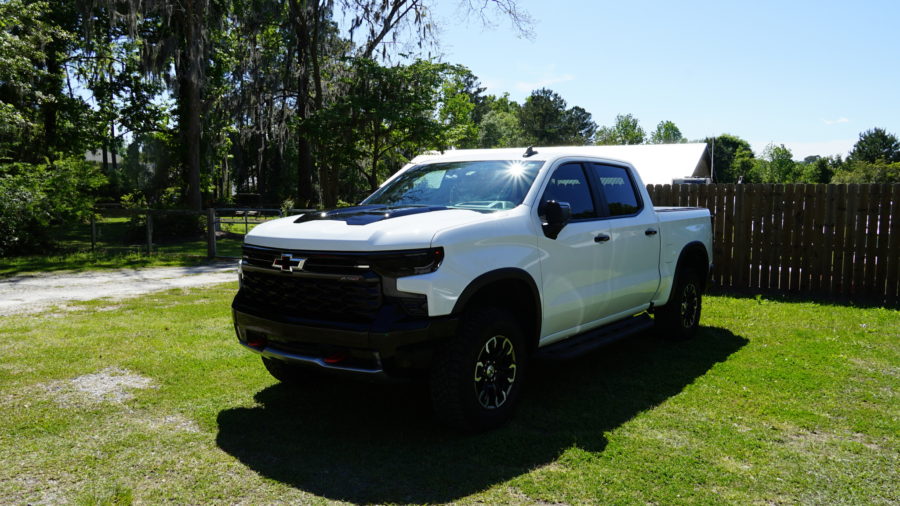
Living near the coast exposes a vehicle to conditions that can be different from those experienced farther inland. In the Lowcountry, sun, humidity, pollen, rain, road grime, and coastal residue can all contribute to how quickly a vehicle’s exterior becomes dirty or begins to lose its maintained appearance.
Understanding these conditions can help owners choose more appropriate washing, parking, and paint-protection practices without expecting a single product to eliminate every form of environmental exposure.
What Coastal Conditions Can Do to a Vehicle
Coastal residue. Vehicles near the coast can accumulate salt-containing residue even without direct contact with ocean water. When residue remains on exterior surfaces, wheels, trim, and exposed metal, it can contribute to contamination buildup and may increase corrosion concerns on vulnerable areas.
Humidity and moisture. High humidity and frequent rain can allow moisture to remain on a vehicle longer. When water evaporates, minerals and contaminants may be left behind as water spots. The risk depends on the water source, surface temperature, existing protection, and how quickly the vehicle is dried.
UV exposure. Repeated exposure to sunlight can contribute to fading, oxidation, and gradual loss of gloss. Summer Breeze lists protection from UV exposure and oxidation among the benefits of its automotive ceramic coating services.
Road grime and organic contamination. Bird droppings, tree sap, pollen, bug residue, and road grime should not be left on the vehicle for extended periods. Some contaminants can stain or etch the finish, especially when they remain on a warm surface in direct sunlight.
These conditions can overlap. A vehicle parked outside may face sunlight, moisture, pollen, and other contamination during the same period, making consistent care more important.
Where Ceramic Coating Fits In
Ceramic coating is a liquid product applied to exterior vehicle surfaces to form an additional protective layer. Summer Breeze describes its coatings as helping protect against UV rays, oxidation, road grime, water spots, bird droppings, and environmental contaminants while making the vehicle easier to clean and maintain.
Hydrophobic behavior encourages water to bead and move away from the surface more readily. The slicker surface can also make routine removal of dirt and contamination easier than it may be on an unprotected finish.
However, ceramic coating does not remove salt, stop contamination from landing on the vehicle, or eliminate the need for washing. Coastal residue and road grime still need to be physically removed through appropriate maintenance.
Summer Breeze’s ceramic coating packages include Owner’s Pride 3-year, 5-year, 7-year, and OP Select options. Choosing between them should depend on the vehicle, desired protection, maintenance expectations, and the package recommendations provided by the installer.
It’s Not Just the Paint
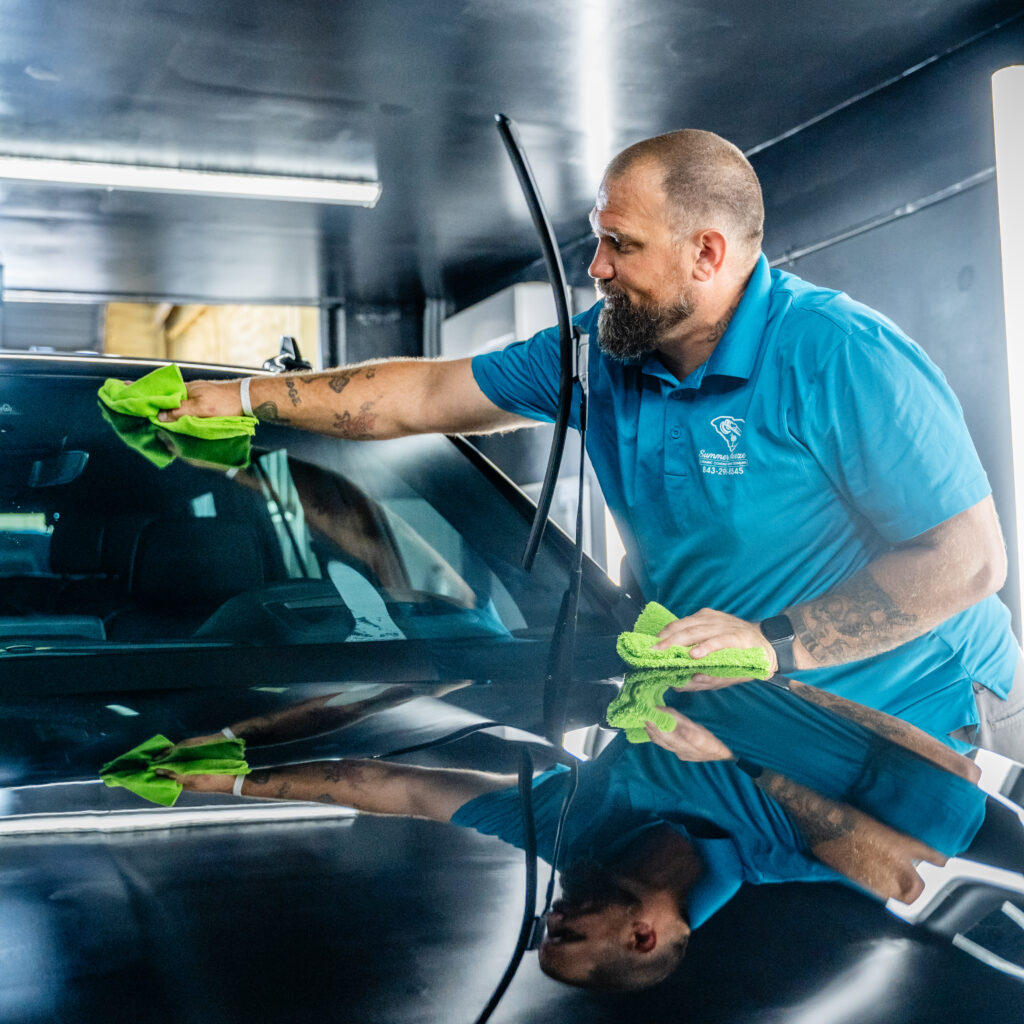
Coastal vehicle care extends beyond painted panels. Wheels, exterior trim, glass, and exposed undercarriage components may also collect moisture and residue.
Sunlight entering through automotive glass can also contribute to interior fading and heat buildup. Professional window tint addresses the glass and interior side of vehicle protection, while ceramic coating is intended for exterior surfaces. The two services perform different functions and should not be treated as substitutes for each other.
How Coastal Exposure Differs From Inland Use
Both coastal and inland vehicles face sunlight, rain, pollen, bird droppings, and road grime. The added consideration near the coast is the potential for salt-containing residue to accumulate along with these common contaminants.
The amount of exposure is not identical for every vehicle. Distance from the water, driving routes, weather, parking conditions, and washing frequency can all affect how quickly residue builds up. It would therefore be inaccurate to assume that every Lowcountry vehicle experiences the same contamination level.
A vehicle does not need to visit the beach to require regular exterior care. At the same time, proximity to the coast alone does not prove that damage will occur. The practical goal is to inspect and clean the vehicle according to its actual condition instead of relying on a fixed assumption.
Covered vs. Uncovered Parking
Parking conditions influence exposure, but they do not eliminate the need for maintenance.
An enclosed garage can reduce direct exposure to sunlight, rain, pollen, and falling contaminants while the vehicle is parked. A carport may reduce direct sun and rainfall but does not fully isolate the vehicle from airborne dust or residue. A vehicle parked outdoors generally receives more direct environmental exposure.
A cover can provide protection in some situations, but it must be clean, properly fitted, and used according to its manufacturer’s instructions. A dirty or poorly secured cover can rub contamination against the surface.
None of these parking options replaces routine inspection and washing. Even a garage-kept vehicle can collect road grime and other contamination while being driven.
Practical Habits That Help Alongside Coating
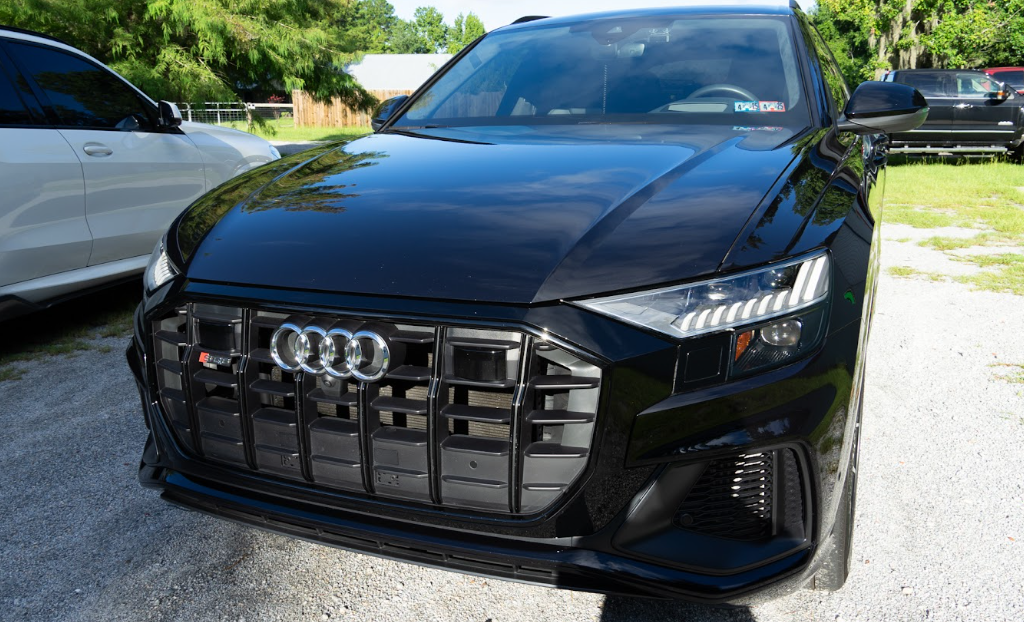
A few habits can support the appearance and condition of both coated and uncoated vehicles:
- Wash or rinse away visible residue and road grime before heavy buildup develops.
- Use automotive products appropriate for the vehicle’s finish.
- Dry the vehicle after washing to reduce mineral deposits left by evaporating water.
- Remove bird droppings, tree sap, and bug residue promptly using safe methods.
- Park under cover when practical to reduce direct sun and weather exposure.
- Inspect wheels, trim, and undercarriage areas as well as painted panels.
- Follow the coating manufacturer’s and installer’s maintenance instructions.
Coating can make some of these tasks easier, but it does not make them optional.
Is Ceramic Coating Worth It for Your Vehicle?
Whether ceramic coating makes sense depends on how the vehicle is stored, how frequently it is driven, how much environmental exposure it receives, and how the owner plans to maintain it.
A frequently driven vehicle parked outdoors may benefit from easier cleaning and added protection from environmental contamination. A garage-kept vehicle may still benefit from gloss, hydrophobic performance, and easier maintenance, even if its daily exposure is lower.
The decision should be based on the owner’s priorities rather than the assumption that every coastal vehicle automatically needs the same package. Summer Breeze can evaluate the vehicle and explain the available coating options.
For a broader purchase-focused discussion, read whether ceramic coating is worth it in the Lowcountry.
If you have already selected a package, review what to expect while a new coating cures before beginning a regular maintenance routine.
FAQs
Does living near the water expose a vehicle to different conditions?
It can. Vehicles near the coast may encounter salt-containing residue in addition to sunlight, rain, humidity, pollen, and road grime. Actual exposure varies according to location, weather, driving, parking, and maintenance.
Will ceramic coating stop salt from affecting my car?
Ceramic coating provides an additional protective layer and can make contamination easier to remove, but it does not eliminate salt exposure. Regular washing remains necessary to remove residue from the vehicle.
Does window tint help with anything besides appearance?
Summer Breeze states that its automotive window tinting offers heat rejection, up to 99% UV protection, glare reduction, privacy, and interior protection. Exact performance depends on the selected film.
How often should I wash a coated vehicle near the coast?
There is no universal interval that fits every vehicle. Washing frequency should reflect actual exposure, visible contamination, driving conditions, parking, and the maintenance instructions provided for the coating.