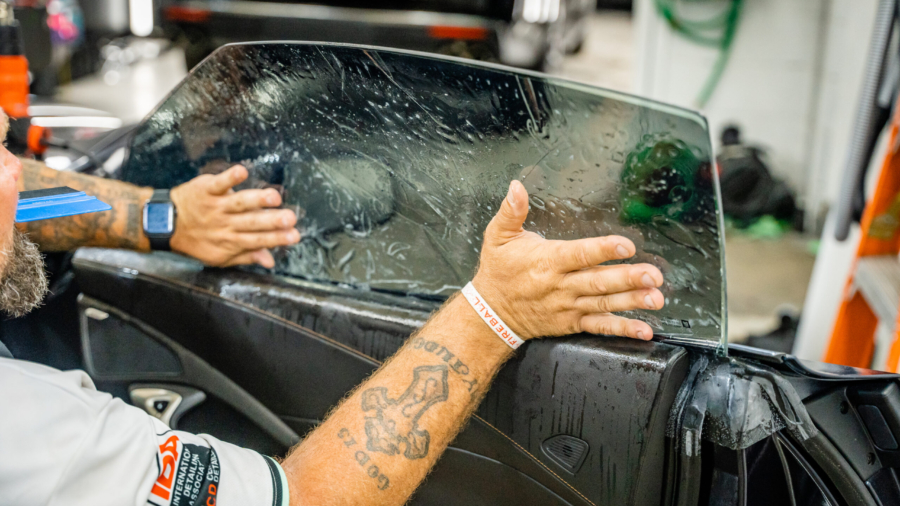
Choosing automotive window tint often begins with one question: how dark should it be? Shade matters, but it is only one part of a decision that also involves film performance, visibility, coverage, appearance, and legal requirements.
A better starting point is to decide what you want the tint to accomplish and then compare the film options that meet those priorities.
Start With What You’re Trying to Solve
Drivers may choose tint for several reasons.
Heat and comfort. If your main goal is a more comfortable cabin, ask about the film’s heat-rejection performance. A darker appearance does not, by itself, provide enough information to compare how two different films handle solar heat.
Glare reduction. Window tint can reduce distracting glare from sunlight and headlights. The appropriate shade still needs to support adequate visibility, especially for drivers who spend significant time on the road at night.
Privacy and appearance. Darker shades can create a different exterior appearance and may make the cabin less visible from outside. These preferences should be balanced with visibility and legal requirements.
Interior protection. Summer Breeze states that its automotive window tinting can block up to 99% of UV radiation and help protect the vehicle’s interior. Because “up to” represents the highest available performance rather than a guarantee for every film, ask about the specifications of the exact product being considered.
Most drivers care about more than one of these benefits. Identifying the top two priorities gives the installer a clearer basis for recommending a film.
Film Type Matters as Much as Shade
Summer Breeze currently lists Owner’s Pride, Apeax, and Union Window Films among the products it installs. The business describes its Owner’s Pride films as durable and fade-resistant products engineered for heat rejection and UV protection. Its website describes Apeax as using nano-ceramic technology for heat reduction, optical clarity, and appearance. Union Window Films are presented as options for glare reduction, interior protection, and everyday driving comfort.
Don’t Skip the Legal Question
Automotive tint requirements vary by state, window position, and vehicle type. A shade that is permitted on one window or vehicle may not be permitted in another application.
Because regulations can change, this article does not provide a fixed legal percentage. Before selecting a configuration, confirm the current South Carolina requirements with an official state source and discuss them with the installer.
Summer Breeze states that it offers tint shades intended to suit customer preferences while adhering to applicable legal standards. The final decision should still be based on the vehicle, window position, selected product, and current rules.
Practical Considerations Beyond Shade and Film
Which windows are being tinted. Front side windows, rear side windows, back glass, and windshield areas may have different practical and legal considerations. Decide whether you want full coverage or a partial tint package before comparing options.
Visibility at night. Darker film can reduce the amount of visible light entering through the glass. Drivers who frequently travel at night should discuss visibility with the installer before choosing a shade.
Existing automotive glass. Some factory glass already has color, privacy glazing, or other properties that affect how an added film will look and perform. The combined result should be evaluated on the actual vehicle.
Film performance. Ask for product information covering heat rejection, UV protection, clarity, care requirements, and warranty terms. Avoid assuming that all products described as “ceramic” or “premium” have the same specifications.
Long-term preference. Consider whether the shade and appearance will still suit how the vehicle is used in the future. Heat rejection and UV protection may remain priorities even if appearance preferences change.

Why Darker Does Not Automatically Mean Better
Shade percentage describes visible light transmission, not every aspect of film performance. Although darker film reduces more visible light, it should not be used as the only measure of heat rejection or UV protection.
Modern window films can be designed to manage different parts of solar energy while maintaining a lighter appearance. However, the exact performance depends on the product. The installer or manufacturer specifications should be used to compare films accurately.
This is why a lighter high-performance film may be more suitable for one driver, while another driver may prefer a darker legal configuration for privacy and appearance. Neither option is automatically better without considering the driver’s priorities.
Why Legal Compliance Belongs in the Selection Process
Legal compliance should be discussed before installation, not after a shade has already been chosen. The installer needs to consider the vehicle type, window position, existing glass, and combined light transmission.
Avoid selecting a percentage based on advice for another state or an old online chart. If you have questions about a particular configuration, ask the installer to explain how the recommendation aligns with current South Carolina requirements.
This article provides general selection guidance and should not be treated as legal advice.
A Simple Way to Approach the Conversation
Before speaking with the installer, prepare the following information:
- Your top priorities, such as heat rejection, glare reduction, privacy, interior protection, or appearance
- The windows you want tinted
- How often you drive at night
- Whether the vehicle already has factory privacy glass
- Your preferred appearance
- Your budget range
- Any questions about current legal requirements
- Any film specifications or warranty terms you want explained
This gives the installer more useful information than simply requesting “dark tint” without discussing performance or visibility.
Weighing Film Choice Against Vehicle Use
How the vehicle is used can help narrow the options.
A daily commuter that remains in an outdoor parking lot may prioritize heat rejection and UV protection. A vehicle that is usually garaged may still benefit from those features, although its parked exposure may be lower.
Drivers who frequently travel at night may prefer a configuration that preserves more visibility. Owners concerned with rear-cabin privacy may place more emphasis on rear windows, subject to applicable requirements.
If the vehicle already has factory privacy glass, the installer can explain how an additional film may affect appearance and performance.
Talking to Your Installer
A useful tint consultation should cover more than shade. It should include the exact film line, expected performance, installation coverage, legal considerations, care instructions, and warranty information.
If you are ready to compare available options, Summer Breeze’s window tinting service provides an overview of the brands and tint configurations currently offered.
What Film Choice Does to Cost
Film type, vehicle size, coverage, existing tint removal, and installation requirements can all affect pricing. The exact quote should be based on the vehicle and selected product.
For a more detailed discussion of pricing factors, review this guide to window tinting service cost.
Beyond Shade: What Tint Does Long-Term
Shade and film type help answer which product to choose. It is also useful to understand how heat rejection, UV protection, glare reduction, and privacy affect everyday ownership.
Read more about what window tint can do for your vehicle’s interior.
FAQs
Is darker tint always better for heat rejection?
No. Visible darkness and heat rejection are different performance characteristics. Compare the specifications of the exact films offered instead of relying only on shade.
Can I choose different shades for different windows?
Different configurations may be available, but they must account for the vehicle, window position, visibility, existing glass, and current legal requirements. Ask the installer to recommend an appropriate configuration.
How do I know what’s legal in South Carolina?
Check the current requirements through an official South Carolina source and discuss the proposed configuration with your installer. Do not rely on an old chart or information written for another state.
Does film brand matter?
Brand and film line can affect performance, appearance, care requirements, and warranty coverage. Compare the exact products being offered rather than assuming all films from one category are identical.