
A ceramic coating is built to last years rather than months, but that durability depends partly on how the car is washed afterward. The coating itself does not need much help to keep protecting your paint, but the wrong wash routine can dull its gloss, shorten how well it performs, or undo some of what you paid for. The good news is that washing a coated car correctly is not complicated. It just follows a different set of habits than washing an uncoated car.
Before Your First Wash
If your coating was recently applied by Summer Breeze Ceramic Coating & Mobile Detailing, do not wash the car until it has fully cured. Washing too early, especially with anything other than plain water, can interfere with the curing process of premium products like Owner’s Pride. We cover the specific cure timeline in detail in our guide on how long ceramic coating takes to cure. Once that curing window has passed, the guidance below applies for the life of the coating.
Skip the Automatic Car Wash
This is the single most common mistake coated-car owners make. Automatic tunnel washes, especially ones with brushes rather than touchless systems, use abrasive contact and often harsh, high-pH detergents designed to strip road grime fast. That combination can introduce fine scratches (swirl marks) into the coating surface and gradually degrade its hydrophobic performance. Touchless automatic washes are less risky than brush washes but still typically use stronger chemical detergents than hand washing does. For a coated vehicle, a careful hand wash is almost always the better choice.
Comparing Your Wash Options
| Wash Method | Risk to Coating | Typical Chemical Strength | Best For |
| Hand wash, two-bucket method | Lowest | Adjustable (use pH-neutral soap) | Coated vehicles, long-term care |
| Touchless automatic wash | Moderate | Often high-alkaline detergents | Occasional convenience washes between hand washes |
| Brush/friction automatic wash | Highest | Often high-alkaline detergents | Not recommended for coated vehicles |
| Rinseless wash (spray-and-wipe) | Low, if done correctly | Adjustable (use a coating-safe rinseless product) | Quick maintenance washes, water-restricted areas |
This is general guidance based on how each method physically interacts with a coated surface. Actual results vary by the specific equipment and chemicals a given wash location uses.
Use the Two-Bucket Method
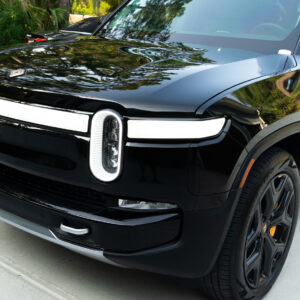
Hand washing correctly matters as much as hand washing at all. The two-bucket method (one bucket with soapy water, one with plain rinse water) is the standard approach professional detailers recommend for any vehicle, coated or not, and it matters even more on a coating you want to protect long-term:
- Rinse the entire car first to loosen surface dirt before any contact with a wash mitt.
- Dip a clean microfiber wash mitt in the soap bucket, wash one panel, then rinse the mitt in the plain water bucket before dipping it back in the soap.
- Work top to bottom, since the lower panels and wheel wells accumulate the most grit.
- Rinse the full car again to remove all soap residue.
- Dry with a clean, dedicated drying towel or a blower. Never let the vehicle air-dry, which can leave stubborn water spots.
The rinse-between-dips step is what keeps grit picked up from the car off your wash mitt, which is what actually causes swirl marks. The washing itself is not the problem; the trapped dirt is.
Choose the Right Soap
Not every car soap is coating-safe. Look for a pH-neutral formula rather than a high-alkaline “wax-stripping” or “tar and bug” soap. Those stronger chemicals are designed specifically to break down protective layers, which is exactly what you do not want on a coated surface. A pH-neutral soap cleans effectively without chemically attacking the ceramic coating itself.
Skip Anything Marketed as a “Ceramic Boost” You Do Not Need
A wide range of spray-on “ceramic boost” or “coating enhancer” products are marketed to coated-car owners. Whether any given product is worth adding on top of a properly applied professional coating depends on the specific coating and the product in question. This is a decision worth discussing directly with the detailing experts at Summer Breeze Ceramic Coating & Mobile Detailing rather than assuming every add-on is necessary or beneficial for your vehicle.
How Often Should You Wash a Coated Car?
There is no single fixed schedule that fits every situation. How often you should wash depends on how the car is used and stored. A vehicle parked outdoors near the coast, exposed to salt air, pollen, and bird droppings, will need more frequent washing than a garage-kept car driven occasionally. As a general guideline, most detailers recommend washing every one to two weeks for a daily driver. You should rinse the vehicle sooner after exposure to anything acidic (like bird droppings, tree sap, or bug splatter) because those contaminants can etch a finish, coated or not, the longer they sit.
Washing a Coated Car in a Coastal Climate
Cars parked or driven near the coast (Beaufort, Bluffton, Hilton Head Island, Port Royal, Lady’s Island, Ridgeland, and Hardeeville all fall into this category) pick up salt residue from the air even without ever touching salt water directly. Salt residue plus humidity is a combination that can accelerate corrosion on exposed metal and, over time, work against any protective layer if it is allowed to sit and build up.
In practice, that means two things for a coated car in this region: rinsing more often than you might in a drier inland climate, and paying closer attention to areas that trap moisture and grit, like wheel wells, lower rocker panels, and door jambs.The same environmental factors apply directly to your wash frequency and technique.
Watch for These Warning Signs
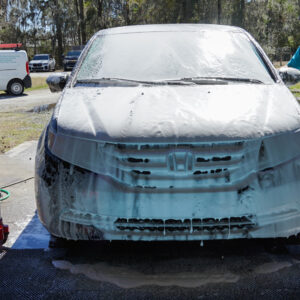
- Water stops beading tightly. This is the clearest sign the coating hydrophobic performance is fading, whether from age, wear, or improper washing.
- The surface feels rough after washing. This can mean contaminants are bonding to the coating rather than sheeting off, which sometimes calls for a clay bar treatment or a professional decontamination wash.
- New swirl marks appear in direct sunlight. This usually points back to wash technique, most often a dirty wash mitt, a brush automatic wash, or drying with the wrong towel.
If you notice any of these issues and are not sure what is causing it, that is a good time to bring the car back to Summer Breeze Ceramic Coating & Mobile Detailing for a professional inspection rather than guessing at a fix.
A Few Things to Avoid Entirely
- Dish soap. It is formulated to strip oil and grease and will strip a coating protective properties along with it.
- Drying with a regular bath towel. Standard towels are far more likely to introduce fine scratches than a proper microfiber drying towel.
- Waxing over a ceramic coating. It is not harmful, but it is unnecessary. The coating is already doing the job wax is meant to do, and it will not bond the same way to a coated surface.
Quick Reference: A Coating-Safe Wash Routine
- Confirm curing is complete before the first wash.
- Rinse the full car before touching it with a mitt.
- Hand wash using the two-bucket method with a pH-neutral soap.
- Rinse thoroughly and dry with a clean microfiber towel or blower.
- Rinse promptly after exposure to bird droppings, tree sap, or heavy salt air.
- Skip brush-style automatic washes; use touchless only occasionally.
- Watch for reduced water beading or a rougher surface as signs it is time for a professional check-up.
Keeping this routine consistent is a bigger factor in how long a coating performs well than any single product added on top of it.
Maintaining Your Coated Vehicle for the Long Haul
A ceramic coating does most of the heavy lifting once it is cured, but it is not maintenance-free. It is maintenance-reduced. The habits above (hand washing, the two-bucket method, pH-neutral soap, and skipping automatic tunnel washes) are what keep a coating performing the way it is designed to for years rather than months. If you are noticing signs your coating is not performing the way it used to, talk to Summer Breeze Ceramic Coating & Mobile Detailing about what is going on with your paint.
Frequently Asked Questions
Can I take my ceramic-coated car through a regular car wash?
Touchless automatic washes are lower-risk than brush-style washes, but a careful hand wash with the two-bucket method is generally the safest option for protecting a coating long-term performance.
How soon can I wash my car after ceramic coating is applied?
This depends on the specific curing timeline for your application. See our guide on [how long ceramic coating takes to cure] for the full timeline before washing for the first time.
What soap should I use on a ceramic-coated car?
Look for a pH-neutral car wash soap. Avoid high-alkaline soaps marketed for stripping wax or removing tar, since those same properties can degrade a coating over time.
Do I need to apply anything on top of my ceramic coating?
Not necessarily. Whether a topper or boost product adds value depends on your specific coating and situation. It is worth asking the detailer who applied your Owner’s Pride coating rather than assuming an add-on is required.
How do I know if my coating needs to be reapplied?
Watch for water no longer beading tightly, a rougher feel after washing, or a noticeably flatter appearance. Any of these can indicate it is time for a professional evaluation.