If you are researching window tint before booking an appointment, asking if the modification is even legal is usually one of the first questions on your mind. This is a highly reasonable concern. Tint laws exist in every state, they are strictly enforced, and getting pulled over for illegal tint is a genuinely common experience for drivers who did not realize their film was too dark. For residents driving through Beaufort, Bluffton, and Hilton Head Island, understanding the local regulations is the best way to avoid unnecessary fines. Here is how you should think about legality before you commit to a specific shade for your vehicle.
Yes, South Carolina Regulates Window Tint Darkness
South Carolina, like all states, has specific rules governing how dark a vehicle window tint can legally be. These rules are typically expressed as a minimum VLT percentage. VLT stands for Visible Light Transmission, which is essentially the measurement of how much ambient light is allowed to pass through the tinted window and into the cabin. These requirements usually vary by window position. The windshield, front side windows, back side windows, and rear window are often treated differently under the law, with front windows generally held to a lighter and more transparent standard than rear windows.
Currently, South Carolina law requires that the front side windows, rear side windows, and the back windshield must all allow at least 27 percent of light to pass through. For the front windshield, drivers are only permitted to have a non-reflective tint strip applied along the top edge down to the AS-1 line provided by the manufacturer. Additionally, South Carolina requires that your tint must not be red, yellow, or amber in color. A compliance sticker from a professional installer is also required to be placed between the film and the glass on the lower right corner of the driver side window.
Rather than guessing or relying on outdated internet forums, the most reliable path is to confirm current requirements directly with a licensed tint installer at the time you are getting work done. This is exactly the kind of question the professional team at Summer Breeze Ceramic Coating & Mobile Detailing is equipped to answer accurately for your specific vehicle and driving needs.
Why This Matters More Than It Might Seem
Illegal tint is not just a theoretical risk. It is one of the more common reasons drivers get pulled over by local law enforcement or highway patrol. A traffic stop for illegal tint can result in a citation, a formal requirement to have the tint removed, or both, depending on the severity of the violation and how it is handled locally in the Lowcountry.
Beyond the legal exposure and potential financial penalties, tint that is too dark for legal driving conditions can also raise practical safety concerns. Nighttime visibility is absolutely critical when navigating the unlit backroads of Beaufort and the surrounding coastal communities. If your windows are overly dark, spotting pedestrians, wildlife, or debris on the road at night becomes incredibly difficult. This is a significant issue for South Carolina drivers simply because it is an active, enforced part of the vehicle code rather than a rule that exists only on paper.
How Restrictions Generally Differ by Window Position
Most states, including South Carolina, do not apply one single tint rule to the whole vehicle. Instead, different windows are typically held to different standards to balance passenger comfort with overall road safety. Here is a look at the general pattern for vehicle window tinting:
| Window Position | Typical Relative Strictness | General Reasoning |
| Windshield | Most restrictive | Direct forward visibility is considered absolutely critical for safe driving at all hours. |
| Front side windows | More restrictive than rear | Police officers and other drivers often need a clear view into the front seat for safety and communication. |
| Back side windows | Generally more permissive | There is a reduced visibility concern relative to the front windows, allowing for more privacy for rear passengers. |
| Rear window | Generally most permissive | Vehicles with heavy rear tint frequently must be equipped with functioning dual exterior side mirrors to compensate. |
This table describes the general shape of how states commonly structure tint law. As mentioned above, South Carolina specifically enforces the 27 percent VLT rule for side and rear windows. Those specifics are always confirmed during your consultation at Summer Breeze Ceramic Coating & Mobile Detailing.
Common Misunderstandings About Tint Law
There is a lot of misinformation circulating about window tinting regulations. Believing these myths can easily lead to a citation. Here are the most common misunderstandings we see among vehicle owners:
- If it is legal somewhere, it is legal everywhere. Tint law varies significantly by state. Film that is completely compliant in one state can be highly illegal in another. This matters greatly if you bought a vehicle out of state or had tint installed elsewhere before moving to a military town like Beaufort, South Carolina.
- Darker tint installed by a professional is automatically legal. A reputable, professional installer should be knowledgeable about current state requirements and will typically discuss legal shade options with you. However, some shops will install excessively dark tint if a customer insists on it for a show car. The ultimate compliance of the finished vehicle on public roads is your responsibility.
- The windshield can be tinted as dark as the windows. Windshields are almost universally treated differently and much more restrictively than side or rear windows under state tint laws. South Carolina limits front windshield tint to a non-reflective strip along the top rather than full glass coverage.
- Tint law only applies to aftermarket tint. Some state rules apply to any window tint, whether factory-installed, dealer-applied, or aftermarket. You should never assume factory tint is automatically exempt without checking the combined VLT percentage.
What a Professional Installer Should Be Able to Tell You
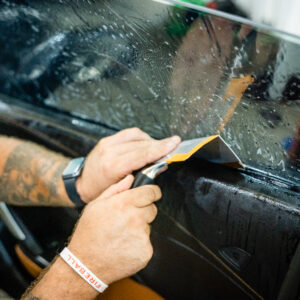
Before choosing a shade, a knowledgeable tint installer should be able to walk you through a comprehensive consultation. The team at Summer Breeze Ceramic Coating & Mobile Detailing ensures you understand the following points before any film touches your glass:
- Which specific window positions have different legal requirements on your exact vehicle make and model.
- How your desired visual look compares to what is currently allowed by South Carolina highway patrol.
- Whether any medical exemption process exists in South Carolina and what that process generally requires. A professional shop will guide you on the DMV paperwork without falsely promising to guarantee approval, since that decision is determined exclusively by the state.
- What happens if your vehicle existing tint is found to be non-compliant. We can walk you through safe removal, retinting, or required documentation depending on the situation.
If a shop cannot or will not answer these questions with total confidence, that is worth treating as a serious red flag before you commit your hard-earned money.
Legal Tint Does Not Mean Low-Quality Tint
One misconception worth addressing directly is the idea that legal film is ineffective. Choosing a legally compliant shade does not mean settling for a weaker product or giving up on heat and UV protection. Most of the practical benefits of window tint come from the actual film technology and quality, not primarily from how dark it looks to the human eye.
Modern nano-ceramic films, such as the Owner’s Pride, Apeax, and Union Window Films installed by Summer Breeze Ceramic Coating & Mobile Detailing, are engineered to block massive amounts of infrared heat and UV rays without needing to be pitch black. A well-chosen, legal shade in a high-performance ceramic film will absolutely outperform an illegally dark, lower-quality dyed film on nearly every functional measure.
The only thing a dark dyed film offers is a dark look from the outside. If your goal is surviving the brutal South Carolina summer heat, premium ceramic technology is the answer. We cover how to think through shade and film choice together in much more detail in our blogs.
How Enforcement Typically Works on the Road
Tint is one of the easiest vehicle-code items for law enforcement to observe in real time. Officers commonly carry handheld tint meters that measure the exact VLT percentage directly at a traffic stop. The officer simply slides the small device over your rolled-down window, and it instantly reads the amount of light passing through.
This objective measurement is part of why tint violations are so frequently cited on their own, completely without any other traffic issue involved. The darkness is visually obvious, and the measurement is exceptionally quick to take. If a traffic stop results in a tint citation, the outcome typically depends on local practice and how far outside the legal range the film measures. This can range from a friendly warning to a costly citation requiring immediate correction and a court appearance.
Keeping Documentation After Installation
Regardless of where you have your premium tint installed, it is always worth asking for and keeping physical documentation of the work. You should retain an invoice or receipt that clearly specifies the film brand used, the VLT percentage applied, and the professional shop that installed it.
While South Carolina requires the physical compliance sticker between the film and the glass, keeping your receipt in the glovebox is a genuinely useful practice. If your vehicle is ever stopped and questioned by an officer about tint darkness, being able to show professional documentation of what was installed and by whom can simplify the conversation considerably compared to having no record at all.
What Happens If Existing Tint Is Not Compliant
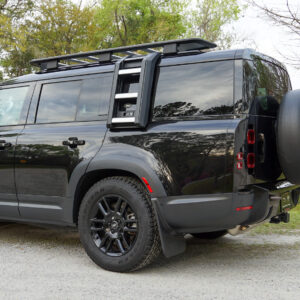
If you have purchased a pre-owned vehicle with tint already installed from a previous owner, a local dealership, or an out-of-state seller, you might not be sure whether it is fully compliant. That is an issue worth having checked before it becomes a problem on the road.
A professional shop like Summer Breeze Ceramic Coating & Mobile Detailing can safely assess your existing film using a tint meter. We can advise whether it meets current South Carolina requirements and walk you through your best options if it does not. Having a professional safely steam and remove illegal tint is much less stressful than being forced to scrape it off yourself in a driveway after receiving a fix-it ticket.
Navigating Your Next Steps for Tint Installation
Window tint law in South Carolina is very real, actively enforced, and highly worth understanding before you choose a shade rather than finding out after the fact. The specific percentage thresholds are best confirmed directly with a knowledgeable local installer at the time of your appointment, since exact figures and enforcement practices can shift over time.
What absolutely does not change is the value of working with a shop that treats legal compliance as a core part of the job, not an afterthought. If you are weighing your options for heat rejection, privacy, and UV protection, reach out to Summer Breeze Ceramic Coating & Mobile Detailing. We are ready to talk through what is right, effective, and completely legal for your vehicle in the Lowcountry.
Frequently Asked Questions
Can I get a ticket for illegal window tint in South Carolina?
Yes. Tint darkness that does not meet the state legal requirement of 27 percent VLT can result in a traffic citation. It may also require the illegal tint to be physically removed or corrected, depending on the specific situation and how the officer handles the stop.
Is the windshield allowed to be tinted as dark as the side windows?
Generally no. Windshields are typically subject to far more restrictive rules than side or rear windows. South Carolina limits windshield tinting to a non-reflective strip along the top AS-1 line rather than full glass coverage. Always confirm these specifics with your trusted installer.
Does professional installation guarantee my tint is legal?
A knowledgeable, professional installer should be well-informed about current requirements and should actively discuss legal options with you. However, it is still worth confirming compliance directly, especially if you are specifically requesting an exceptionally dark shade for aesthetic reasons.
Can I be pulled over just for tint that looks dark?
Yes. Window tint is a highly visible, easily observed vehicle-code item. It is a very common reason for a primary traffic stop entirely independent of any other driving violation like speeding or running a red light.
Does legal tint still block UV rays and heat effectively?
Yes. Most of the functional performance of window tint comes from the film quality and technology, not primarily from how dark it appears. Features like UV protection, heat rejection, and glare reduction are outstanding in premium ceramic films. A properly chosen legal shade from Owner’s Pride or Apeax can perform incredibly well on all these measures without breaking the law.