Untitled design - 2026-01-26T193159.597

Ceramic Coating in Bluffton, SC: Coastal Protection for Your Car

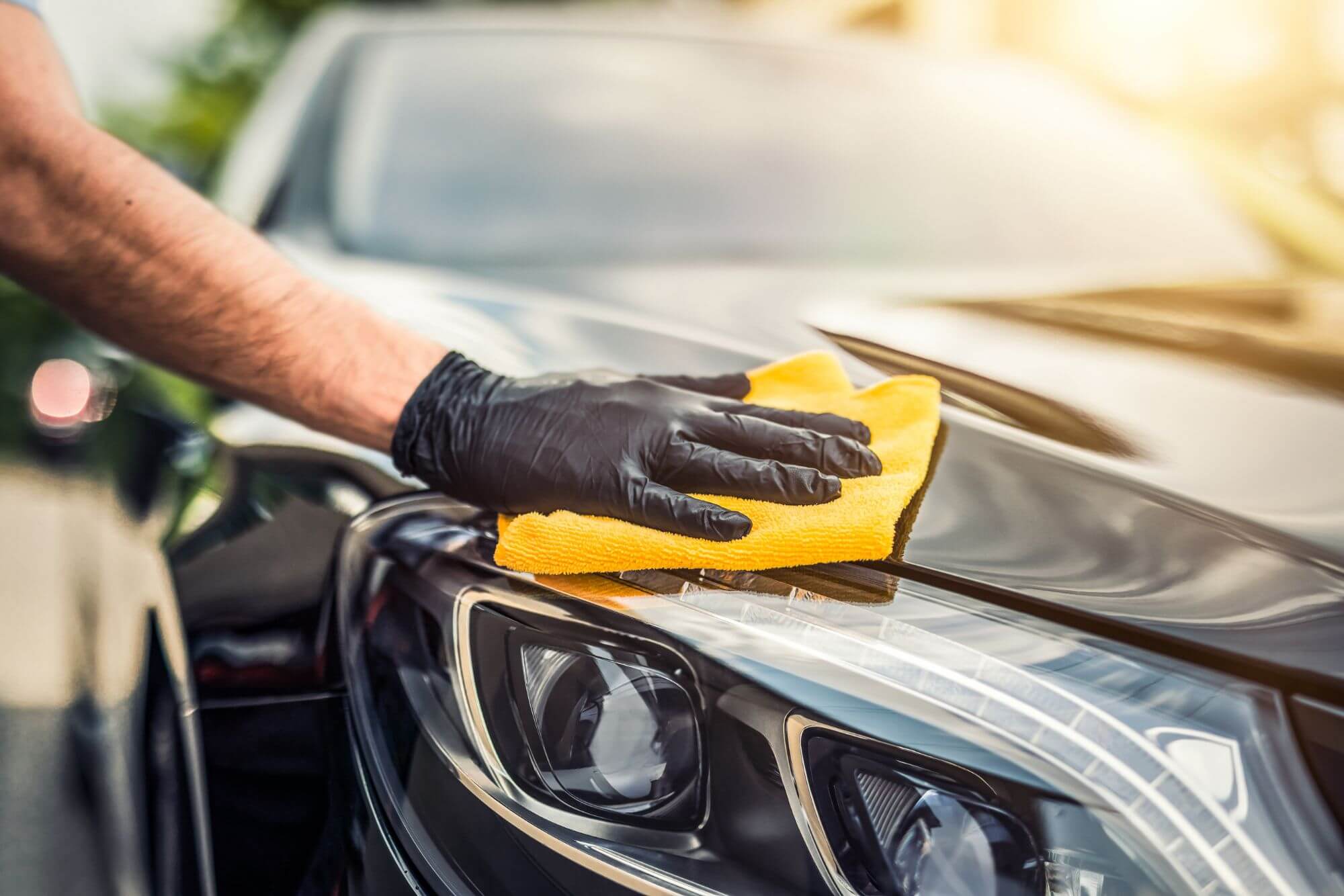
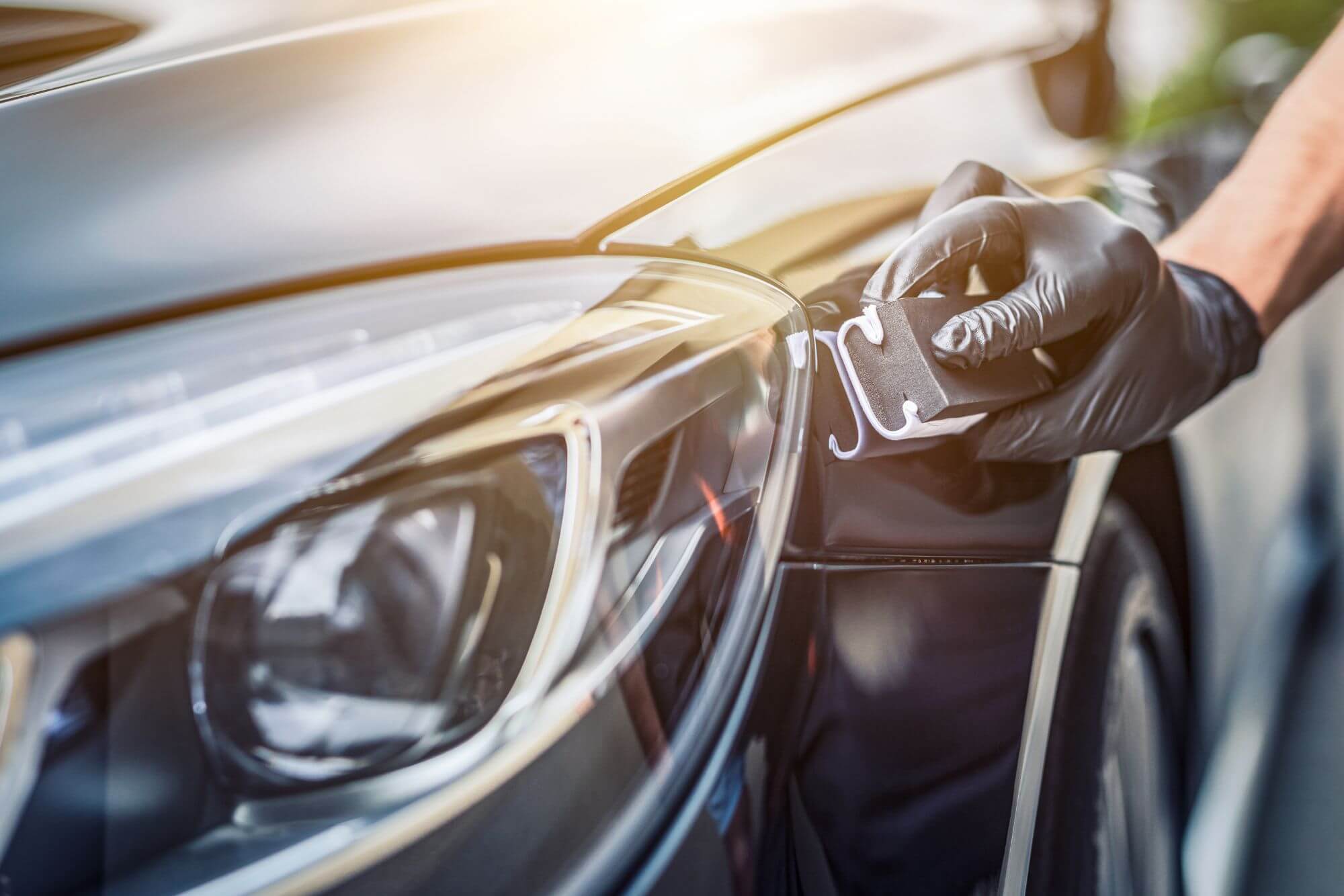
Living in the Lowcountry means dealing with a beautiful but challenging environment for any vehicle owner. The combination of salt-laden air, high humidity, and intense ultraviolet radiation can quickly deteriorate even the most resilient automotive finishes. Many residents are turning to a professional mobile car detailing bluffton sc provider to establish a more permanent barrier against these local elements. In 2026, ceramic coating has emerged as the premier solution for those who want to move beyond the limitations of traditional wax. This liquid polymer bonds chemically with the factory paint, creating a sacrificial layer that is both harder and more durable than the clear coat itself. Understanding the specific advantages of this technology is the first step in ensuring your car maintains its showroom shine for years to come.

Is ceramic coating worth it for cars in a coastal environment?

When you choose a high-quality mobile car detailing bluffton sc service, you are making a long-term investment in the structural integrity of your vehicle’s exterior. The primary reason ceramic coatings are considered essential in coastal areas like Bluffton and Hilton Head is their exceptional resistance to corrosion. Salt air is a silent killer for automotive paint because it facilitates oxidation at an accelerated rate, especially when trapped in small scratches or pores in the clear coat. A ceramic layer seals these pores completely, preventing salt molecules from reaching the metal and plastic surfaces beneath.

The chemical bond formed by a professional coating is significantly stronger than the physical bond of a standard wax or sealant. While a wax might melt away during a scorching South Carolina summer day, a ceramic coating can withstand temperatures of several hundred degrees without degrading. This thermal stability is a key component of its success in our region, where surface temperatures on dark-colored cars can easily reach levels that would compromise lesser products. You are not just paying for a shiny car; you are paying for a chemical shield that stands up to the most grueling weather conditions.

Beyond the physical protection, there is a clear economic argument for the value of this service. Vehicles in coastal regions often suffer from lower resale values if their paint shows signs of “sun-burn” or salt pitting. By maintaining a pristine finish through ceramic technology, you are preserving the maximum possible value for your asset when it comes time to trade or sell. Most buyers are willing to pay a premium for a car that has been meticulously cared for and protected from the harsh local elements.

Exploring the primary ceramic coating benefits Bluffton drivers need

One of the most celebrated ceramic coating benefits Bluffton owners notice immediately is the incredible hydrophobic property of the treated surface. Water, along with the dirt and minerals it carries, will bead up and roll off the car with minimal effort. This “self-cleaning” effect means that the typical road grime and salt film that accumulates during a humid afternoon is much easier to wash away. You will find that you spend significantly less time scrubbing your car and more time enjoying the beautiful local scenery.

If you are curious about how to schedule a professional application you can contact us to speak with an expert about your vehicle’s specific needs. This hydrophobic layer also makes it much harder for bird droppings, tree sap, and insect remains to bond to the paint. In the Lowcountry, where oak trees and coastal birds are everywhere, this protection is invaluable for preventing the permanent etching that these acidic substances can cause. A simple rinse is often enough to remove contaminants that would normally require aggressive chemicals and scrubbing.

Another significant benefit is the enhanced gloss and depth that a professional coating provides. Because the coating is optically clear and extremely smooth, it enhances the reflective properties of your paint, making colors look more vibrant and deep. This aesthetic boost is often compared to having a permanent “wet look” that does not fade after a few weeks. For those who take pride in the appearance of their vehicle, the visual transformation is just as important as the protective qualities.

Why paint protection Bluffton SC is essential for UV resistance

The sun in the Lowcountry is particularly intense, and without proper paint protection Bluffton SC your clear coat is at constant risk of oxidation. UV rays break down the chemical bonds in the paint, leading to a dull, chalky appearance that eventually results in peeling and failure. Ceramic coatings contain advanced UV inhibitors that act as a high-level sunscreen for your car, reflecting the harmful radiation away from the delicate pigments below. This ensures that your red stays red and your black stays deep, rather than turning pink or grey over time.

Modern coatings are engineered to be extremely hard, often rated at a 9H level on the pencil hardness scale. This hardness provides a modest level of scratch resistance against the light marring that occurs during the washing process. While it will not stop a flying rock at highway speeds, it will certainly protect against the swirl marks caused by improper drying or light contact with coastal foliage. This keeps the surface looking smoother and newer for a much longer period than an unprotected car.

The chemical resistance of these coatings also extends to industrial fallout and acid rain, which can be a problem even in suburban areas. When pollutants settle on the surface of your car, they can react with moisture to create a corrosive environment. The inert nature of the ceramic material means it does not react with these chemicals, keeping them separated from your clear coat. This level of comprehensive defense is why ceramic technology has become the standard for luxury car care in 2026.

Vital coastal car care tips for maintaining your coating

Following the right coastal car care tips is necessary to ensure your ceramic coating lasts for its full expected lifespan. Even with a professional coating, you should still perform regular maintenance washes to remove the layer of salt film that can build up over time. Using a pH-neutral automotive shampoo is vital because harsh dish soaps or degreasers can eventually weaken the top layer of the coating. Always wash your car in the shade or during the cooler parts of the day to prevent water spotting from the high mineral content in local water.

It is also recommended to use the two-bucket wash method to minimize the risk of introducing any dirt back onto the wash mitt. Start from the top of the vehicle and work your way down, rinsing frequently to ensure that loosened contaminants are washed away. After the wash, using a leaf blower or a dedicated automotive air dryer is the safest way to remove water without touching the paint. This further reduces the chance of creating micro-scratches and ensures that every crevice is free of moisture and salt.

Every six to twelve months, it is beneficial to use a “ceramic boost” spray that adds a fresh layer of silica to the existing coating. This helps maintain the hydrophobic performance and keeps the surface feeling slick to the touch. These maintenance products are designed to bond with the base layer, acting as a refresher for the protective properties. Staying on top of this simple schedule will guarantee that your coating remains effective for five years or more.

The difference between professional application and DIY kits

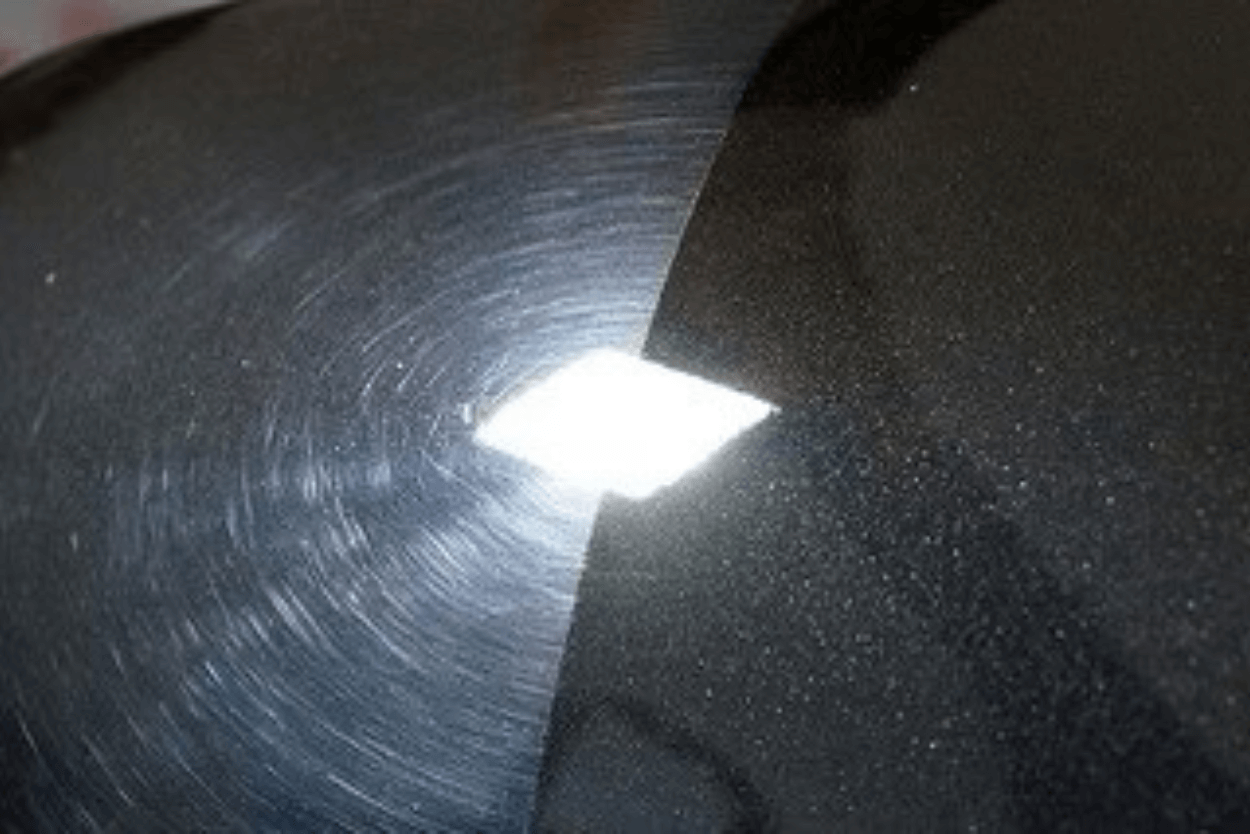
While the market is flooded with “ceramic” products you can buy at a local store, there is a massive difference in the concentration and durability of professional-grade coatings. Professional products often have a much higher SiO2 content and require a sterile environment for proper application. If the paint is not perfectly decontaminated and polished before the coating is applied, the bond will be weak and the results will be disappointing. A professional installer spends hours on paint correction to ensure the surface is flawless before the coating is locked in.
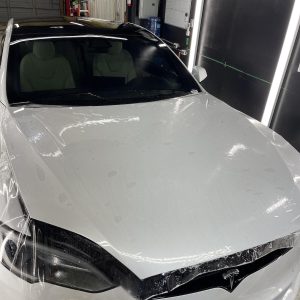
The application process itself is also quite technical, requiring precise timing to “flash” the product and buff it off before it hardens too much. If a DIY user makes a mistake and leaves a “high spot,” it can only be removed by machine polishing the paint, which can be a stressful and expensive fix. Professionals have the lighting and temperature-controlled environments necessary to ensure an even and perfect application every time. You are paying for the expertise and the controlled conditions that lead to a lifetime of protection.

Furthermore, professional coatings usually come with a documented warranty that is registered with the manufacturer. This provides peace of mind that the product will perform as advertised and offers recourse if the coating fails prematurely. Most DIY products offer no such guarantee and often only last a few months despite their bold marketing claims. When it comes to protecting a vehicle worth tens of thousands of dollars, the reliability of a professional service is the most logical choice.

Frequently Asked Questions about Ceramic Coating

Does ceramic coating make my car scratch-proof? 

No coating is completely scratch-proof. While ceramic coatings provide a harder surface that resists light swirl marks and marring, they cannot prevent deep scratches from sharp objects or heavy impacts. It is still important to practice safe washing techniques to keep the surface looking perfect.

How long does the application process take? 

A professional ceramic coating application usually takes two to three days. This includes a thorough wash, chemical decontamination, clay bar treatment, one or more stages of paint correction, and the final application and curing of the coating itself.

Can I still wax my car after it has been ceramic coated? 

You should not use traditional carnauba waxes over a ceramic coating. The wax will actually interfere with the hydrophobic properties of the ceramic and can make the surface more prone to attracting dust. Instead, use dedicated ceramic maintenance sprays designed to work with the coating.

Will ceramic coating protect my car from rock chips? 

Ceramic coatings do not provide significant protection against rock chips. For that level of defense, you would need to install Paint Protection Film (PPF), which is a much thicker urethane layer. Many owners choose to apply ceramic coating over their PPF for the ultimate combination of protection and gloss.

Is it safe to go through an automatic car wash with a coating? 

You should avoid “touch” car washes that use brushes or hanging cloths, as these can be extremely abrasive. Even with a ceramic coating, these washes can cause damage over time. Touchless car washes are a safer alternative, but a careful hand wash is always the best option for longevity.

Conclusion

Investing in a professional mobile car detailing bluffton sc package that includes ceramic coating is the most effective way to safeguard your vehicle against the unique environmental pressures of the South Carolina coast. By understanding the ceramic coating benefits Bluffton residents experience, you can see why this technology has become the gold standard for automotive preservation. From blocking harmful UV rays to providing a barrier against corrosive salt air, the protection offered is comprehensive and long-lasting. For those who want the very best in surface science and meticulous craftsmanship, Summer Breeze Ceramic Coating & Mobile Detailing is dedicated to providing the elite level of care your vehicle needs to thrive in our beautiful coastal climate.

Untitled design - 2026-01-26T192905.605

What Makes Mobile Car Detailing in Bluffton, SC Worth the Cost?

Maintaining a vehicle in the Lowcountry presents a unique set of challenges, from the persistent salt air to the intense humidity that characterizes our coastal environment. For many residents, finding a reliable mobile car detailing bluffton sc provider is more than just a convenience; it is a strategic decision to protect a significant financial asset. In 2026, the demand for high-end automotive care has shifted away from basic car washes toward comprehensive mobile solutions that bring the expertise of a professional shop directly to your driveway. Understanding the intricate balance between cost and quality is essential for local car owners who want to ensure their vehicles remain in peak condition despite the harsh local climate. Whether you drive a luxury SUV, a daily commuter, or a coastal cruiser, the long-term benefits of professional care often far outweigh the initial expenditure.

Is mobile car detailing more expensive than a regular car wash?

When comparing Bluffton mobile detailing prices to the costs associated with an automated tunnel wash, it is important to distinguish between “cleaning” and “detailing.” A standard car wash is designed for speed, often using high-pressure recycled water and abrasive brushes that can leave micro-scratches, or swirl marks, in your clear coat. In contrast, a mobile detailer uses filtered water, high-quality lubricants, and specialized techniques like the two-bucket wash method to ensure that contaminants are removed without harming the paint. This level of individual attention is why the price point is higher, as you are paying for both premium materials and intensive labor.

A professional mobile car detailing bluffton sc technician provides a bespoke experience that addresses the specific needs of your vehicle’s surfaces. While a tunnel wash might cost twenty or thirty dollars, a full-service mobile detail typically starts around one hundred and fifty dollars and can increase based on the vehicle’s size and condition. This price reflects the fact that the technician is spending three to five hours meticulously cleaning every crevice, from the engine bay to the interior air vents. You are not just paying for a clean car; you are paying for the preservation of your vehicle’s materials and the restoration of its showroom luster.

The convenience factor also plays a major role in the pricing structure of mobile services. When you factor in the time it takes to drive to a detailing shop, wait for the service to be completed, and return home, you are losing several hours of your day. By having the service come to you, you can continue working or spending time with family while your vehicle is being transformed. For many busy professionals and retirees in Bluffton, the time saved is often worth more than the difference in price between mobile and shop-based services.

Why the value of professional car detailing exceeds the sticker price

The true value of professional car detailing is best measured by the long-term health of your vehicle and its eventual resale value. In a competitive market like South Carolina, a vehicle that has been regularly detailed will always command a higher price than one that shows signs of sun damage and interior wear. Prospective buyers can immediately tell the difference between a car that was simply washed and one that was protected with high-grade waxes or sealants.

If you are interested in preserving the factory finish of your car you can contact us to find a package that fits your specific maintenance goals. Regular detailing prevents environmental contaminants like tree sap, bird droppings, and industrial fallout from etching into your paint. Once these substances bond with the clear coat, they require much more expensive paint correction services to remove. By staying ahead of the damage through routine detailing, you are actually saving money on future repairs and restoration.

Interior preservation is another area where the value becomes apparent over time. The humidity in the Lowcountry can lead to mold and mildew growth if the interior is not properly cleaned and dehumidified. Professional detailers use steam cleaning and pH-balanced cleaners to sanitize surfaces and condition leather, preventing the cracking and fading that often occurs in our climate. Protecting your interior ensures that your driving experience remains pleasant and that the materials do not degrade prematurely due to heat exposure.

Understanding the cost of mobile car detailing Bluffton in 2026

When researching the cost of a mobile car detailing Bluffton, you will find that pricing is usually tiered based on the level of depth required. A basic “maintenance wash” focuses on the exterior and a light interior vacuum, whereas a “full detail” involves deep cleaning of all surfaces, including steam cleaning and paint protection. In 2026, many providers also offer advanced add-ons like engine bay cleaning or headlight restoration as part of their premium packages.

Service Level Description Estimated Time Average Price Range
Basic Maintenance Wash, Wax, Interior Vacuum 1.5 – 2 Hours $100 – $160
Standard Full Detail Deep Interior, Clay Bar, Sealant 3 – 4 Hours $200 – $350
Premium Protection Steam Clean, Polishing, Ceramic Seal 5 – 7 Hours $400 – $650
Specialty Correction Paint Correction & Interior Overhaul Full Day $800+

The condition of the vehicle is a significant variable that can impact the final quote from a mobile car detailing bluffton sc specialist. If a vehicle has excessive pet hair, mold, or heavy sand accumulation from local beaches, the technician will likely apply a surcharge for the extra time and chemicals needed. Maintaining your car on a monthly or quarterly schedule prevents these issues from escalating, often allowing you to qualify for lower maintenance rates rather than paying for a deep clean every time.

The impact of salt and humidity on Bluffton vehicles

Living near the Atlantic Ocean means your car is constantly bombarded by microscopic salt particles that can accelerate rust and corrosion. These particles are particularly aggressive when they settle into the undercarriage and the small gaps between body panels. A professional mobile detailer understands these local threats and will often include a thorough undercarriage rinse and the application of corrosion-resistant sealants as part of their service.

The intense South Carolina humidity also plays a role in how dirt and grime bond to your car’s surfaces. When the air is moist, contaminants stick more easily to the paint, creating a gritty layer that can act like sandpaper if not removed correctly. Professional detailers use clay bars to “decontaminate” the paint, pulling these embedded particles out of the pores of the clear coat to leave a truly smooth surface. This step is critical before applying any wax or sealant, as it ensures the protection bonds directly to the paint.

Coastal vehicles also face extreme UV exposure, which can cause the clear coat to fail and the plastic trim to turn grey and brittle. Modern detailing products are formulated with advanced UV inhibitors that act like sunscreen for your car. Regular application of these protectants is the only way to prevent the “oxidized” look common on older cars in the Bluffton area. Investing in these specialized products through a professional service is a proactive way to keep your car looking youthful for many years.

Comparing mobile detailing to DIY efforts at home

Many car enthusiasts enjoy washing their own cars, but there is a significant difference between a weekend hobbyist and a certified professional. A mobile car detailing bluffton sc expert brings thousands of dollars in specialized equipment that the average homeowner does not have access to. This includes high-powered steam cleaners, hot water extractors, and dual-action polishers that can remove imperfections without the risk of burning the paint.

The chemicals used by professionals are also much more concentrated and effective than those found on the shelves of big-box retailers. For example, a professional wheel cleaner is specifically formulated to dissolve brake dust safely without damaging the finish of expensive alloy wheels. Using the wrong product at home can lead to permanent staining or pitting, which ends up costing more to fix than the price of a professional detail.

Perhaps the most important factor is the training and experience required to use these tools safely. Polishing paint to remove scratches is an art form that requires a deep understanding of clear coat thickness and heat management. A professional detailer can assess the condition of your paint and choose the least aggressive method to achieve the desired result. This expertise prevents the “swirls” and “holograms” that often occur when an untrained person attempts to use a high-speed buffer on their own vehicle.

How to choose the right mobile detailing professional in Bluffton

With several options for mobile car detailing bluffton sc, it is important to look beyond just the lowest price when making your selection. Reputation and reviews are the most reliable indicators of quality in the detailing industry. Look for providers who have a consistent track record of 5-star reviews and who are willing to share photos of their previous work. A professional who takes pride in their results will always be happy to showcase their portfolio.

Certification from organizations like the International Detailing Association (IDA) is another great sign of a committed professional. These certifications ensure that the technician follows industry best practices and stays updated on the latest chemical safety and vehicle technology. When you hire a certified detailer, you are hiring someone who views automotive care as a career rather than just a side hustle.

Transparency in pricing and process is also a hallmark of a great mobile service. You should receive a clear breakdown of what is included in your package and an honest assessment of what can be achieved given your vehicle’s current condition. A reputable detailer will never over-promise or use “bait and switch” pricing tactics. They will walk you through the results once the job is finished, ensuring that every expectation has been met or exceeded.

Frequently Asked Questions about Mobile Detailing

What is the difference between mobile detailing and a mobile car wash? 

A mobile car wash is a basic exterior cleaning, while mobile detailing is an intensive restoration process. Detailing involves deep cleaning of every surface, paint decontamination, and the application of high-grade protection that lasts months rather than days.

Do mobile detailers need access to my water and electricity? 

Some detailers carry their own water tanks and generators, while others may ask to use your outdoor tap and a standard outlet. It is always best to clarify this when booking so the technician can arrive fully prepared for your specific location.

How often should I have my car professionally detailed in Bluffton? 

For most vehicles in our coastal climate, a full detail every four to six months is ideal. In between these sessions, a monthly maintenance wash will help keep the protection layers intact and the interior clean.

Can mobile detailing remove deep scratches from my car? 

While detailing can significantly improve the appearance of light scratches and swirl marks through paint correction, deep scratches that have penetrated the primer will require a body shop. A professional can evaluate the depth of the damage during your appointment.

Is it safe to detail my car in the sun? 

Professional mobile detailers often use specialized pop-up tents or products designed for sun-use to prevent water spots and premature drying. They are trained to manage surface temperatures to ensure a flawless finish regardless of the weather.

Conclusion

Deciding if a mobile car detailing bluffton sc service is worth the cost comes down to how much you value your time and the longevity of your vehicle. By investing in professional care, you are choosing to mitigate the damaging effects of the Lowcountry’s salt and sun while enjoying the ultimate convenience of on-site service. The value of professional car detailing extends far beyond a shiny exterior; it is about the peace of mind that comes from knowing your car is being maintained by experts. For those who demand the highest standards of automotive excellence in the Bluffton area, Summer Breeze Ceramic Coating & Mobile Detailing provides the meticulous attention and premium protection needed to keep your vehicle in showroom condition year after year.

Untitled design - 2026-01-26T192508.680

Signs You Need Window Tint Replacement for Your Car

Driving through the coastal roads of Beaufort and Hilton Head offers beautiful views, but the intense South Carolina sun can be relentless on your vehicle. A high-quality window tinting service is designed to provide long-term protection, yet even the best films eventually reach the end of their functional lifespan. Recognizing the early warning signs of film failure is crucial for maintaining your car’s aesthetic appeal and interior integrity. In 2026, many older vehicles are still equipped with outdated dyed films that are prone to breakdown under high heat and humidity. Understanding when to move beyond a simple patch job and investing in a full upgrade can save you from costly interior damage and safety hazards on the road.

How do you know when it is time to replace car window tint?

The most frequent sign that you require a window tint replacement service is the appearance of physical deformities on the surface of the glass. Bubbling is a classic indicator that the adhesive bond between the film and the window has failed due to heat exposure or improper initial installation. These air pockets not only look unsightly but also distort your vision, making it difficult to judge distances and spot hazards during your daily commute.

A professional window tinting service should always result in a smooth, glass-like finish that remains flush against the surface for years. When you start to see the edges of the film curling inward or lifting away from the corners, the structural integrity of the protection is compromised. Once an edge begins to peel, it allows dust and moisture to accumulate underneath, which accelerates the deterioration of the remaining film.

Another subtle but critical sign is the presence of a hazy or cloudy appearance when looking through the glass at certain angles. This “crazing” effect happens when the polyester layers of the film begin to separate or crack on a microscopic level. If your windows look perpetually dirty even after a thorough cleaning, it is likely that the film itself has reached the end of its useful life and needs professional attention.

Why fading window tint issues affect your vehicle’s performance

When drivers notice fading window tint issues on their vehicles, they often assume it is purely an aesthetic problem that can wait for a few more months. However, the color of the film is directly tied to its ability to filter out harmful solar energy and ultraviolet radiation. As the dyes in the film break down, the heat rejection capabilities plummet, leaving your cabin significantly hotter than it was when the tint was fresh.

If you find that your air conditioning has to work twice as hard to keep the interior comfortable, you should contact us to discuss upgrading to a more modern film technology. Newer ceramic and carbon-based films are engineered to resist fading much better than the traditional dyed options used in the past decade. Upgrading ensures that your vehicle stays cool and your fuel efficiency remains optimized by reducing the load on your compressor.

The loss of UV protection is perhaps the most dangerous consequence of a faded film as it exposes your skin to radiation. Beyond health concerns, UV rays are the primary cause of cracked dashboards and bleached leather upholstery. Once you see your interior surfaces starting to lose their luster, the film has already failed in its primary mission to safeguard your investment.

Identifying old window tint problems and safety risks

Many car owners in the Lowcountry struggle with old window tint problems that can actually lead to dangerous driving conditions at night. Scratches and gouges on the film surface can create starburst patterns from oncoming headlights, significantly reducing your reaction time. These imperfections are often the result of years of rolling the windows up and down against worn-out window seals or using abrasive cleaning chemicals.

Sign of Failure Primary Cause Impact on Driver Urgency
Purple Discoloration Dye Breakdown Reduced UV blocking Moderate
Large Bubbles Adhesive Failure Distorted Vision High
Peeling Edges Edge Tension Trapped Debris Moderate
Hazy Appearance Polyester Decay Poor Night Clarity High
Excessive Heat Tech Degradation High A/C Usage Low

Safety should always be the priority when evaluating the condition of your glass. If the film is so degraded that it obscures your view of the side mirrors, it is no longer a luxury but a liability. Professional removal is necessary because simply pulling the film off yourself can damage the delicate defroster lines on the rear windshield. Expert technicians use specialized steam tools to ensure the glass is cleaned thoroughly before a new layer of protection is applied.

The advantages of upgrading to ceramic film technology

In 2026, the shift toward nano-ceramic technology has revolutionized what drivers expect from a window tinting service in high-heat environments. Unlike older metallic films that could interfere with your cell phone signal or GPS, ceramic films are completely non-conductive. They offer superior heat rejection even in lighter shades, which is perfect for drivers who want to maintain a factory-clean look without the oven-like temperatures inside.

Advanced films now come with multiple layers of protection that are fused together using high-end manufacturing processes. This multi-layered approach means the film is much more scratch-resistant and durable than the single-ply options of the past. When you upgrade, you are not just replacing a dark sticker; you are adding a sophisticated thermal barrier to your vehicle.

Modern ceramic coatings for windows can also be integrated with the film to provide an extra layer of hydrophobic protection. This helps rain and moisture slide off the glass effortlessly, improving your visibility during those sudden South Carolina thunderstorms. The combination of heat rejection, UV protection, and improved visibility makes a professional upgrade one of the most cost-effective ways to modernize an older vehicle.

Navigating the transition from old film to new protection

The process of replacing your tint involves a careful balance of chemistry and mechanical skill. Technicians must first dissolve the old adhesive residue without using harsh chemicals that could damage your car’s trim or electronic components. This preparation stage is the most time-consuming part of the job but it is essential for a flawless finish on the new installation.

Choosing the right shade and VLT percentage is the next step in your upgrade journey. While you are already replacing the film, it is a great time to reconsider if your current darkness level meets your needs. Many people find that they actually prefer a slightly lighter film with better heat rejection technology than a dark film that makes it hard to see in the rain.

Always ensure that your new installation comes with a comprehensive manufacturer warranty. Reputable brands in 2026 offer lifetime coverage against the very issues you are currently trying to solve, such as bubbling, peeling, or fading. This warranty ensures that your next window tinting service will truly be the last one your vehicle ever needs. Investing in quality today prevents the frustration of dealing with a failed film just a few years down the road.

FAQs about Window Tint Replacement and Upgrades

Can I just put a new layer of tint over the old bubbled film? 

No, you should never install new film over old tint because the bubbles and imperfections will prevent the new layer from bonding correctly. The old film must be completely removed and the glass must be decontaminated before the new application can begin.

How long does it take to remove and replace window tint? 

The removal process typically adds one to two hours to the standard installation time. For a full vehicle, you should plan for the car to be in the shop for roughly four to six hours to ensure the glass is perfectly prepped.

Will removing the old tint damage my rear window defroster? 

If done incorrectly, yes. However, professionals use specialized steaming techniques that loosen the adhesive without putting physical stress on the heating elements. This is why professional removal is highly recommended over DIY methods.

Is it worth upgrading to ceramic if my car is older? 

Absolutely, because ceramic film can significantly reduce the temperature in older vehicles that may have less efficient air conditioning systems. It also protects the aging interior components from further sun damage and cracking.

What should I use to clean my new window tint? 

You should always use a dedicated ammonia-free glass cleaner and a clean microfiber towel. Avoid using paper towels or any cleaning agents containing ammonia, as these can gradually eat away at the protective top coat of the film.

Conclusion

Your vehicle is more than just a way to get from point A to point B; it is an investment that deserves the best protection available. Recognizing the signs of failure, from unsightly bubbles to fading window tint issues, allows you to take action before the damage to your interior becomes permanent. By choosing a professional window tinting service, you are ensuring that your car remains a sanctuary of comfort and safety in the face of the coastal sun. When you are ready for a superior upgrade that combines aesthetic beauty with industry-leading performance, Summer Breeze Ceramic Coating & Mobile Detailing is here to provide the expert craftsmanship your vehicle deserves.

Untitled design - 2026-01-26T192113.279

How Much Does a Window Tinting Service Cost in 2026?

As the sun beats down on the South Carolina coast, many vehicle owners are looking for ways to stay cool and protected. Finding a reliable window tinting service is the most effective way to enhance your driving comfort and safeguard your interior from UV damage. In 2026, the technology behind window films has advanced significantly, offering better heat rejection than ever before. Understanding the costs associated with these upgrades is essential for any savvy car owner in the Lowcountry.

What is the average cost to tint car windows in 2026?

The average window tint prices for a standard vehicle typically range from three hundred to eight hundred dollars depending on several variables. This price range reflects the shift toward high-performance materials like ceramic and carbon films which have become the industry standard. While entry-level options exist, most drivers prefer investing in quality that lasts for the duration of their vehicle ownership.

Choosing a professional window tinting service ensures that you are getting more than just a darkened window. You are paying for precision, clean environments, and specialized tools that prevent bubbling or peeling. High-quality labor is a significant part of the cost because the modern glass curves on newer vehicles require expert shrinking techniques. A cheap job often ends up costing more in the long run when the film fails or turns purple.

The total price of your project will be heavily influenced by the type of film you select for your vehicle. Basic dyed films are the most affordable but they offer the least amount of heat rejection and can fade over time. Carbon films provide a matte finish and better infrared protection without interfering with cell signals or GPS. Top-tier ceramic films are the gold standard because they block the highest percentage of solar heat while remaining incredibly clear.

Why vehicle size dictates your final window tinting service quote

The physical size of your vehicle is one of the most direct factors in determining the final price of the installation. A compact coupe has fewer windows and less surface area compared to a large family SUV or a transit van. Technicians must measure each piece of glass carefully to ensure that the film is cut to the exact specifications of the window frame.

When you are ready to upgrade your ride you can easily contact us to get a specific quote for your exact make and model. Larger vehicles like the Chevy Suburban or Ford Expedition require significantly more material and longer labor hours. This is why a quote for a small sedan will always be lower than a quote for a vehicle with three rows of seating and a large rear hatch.

The complexity of the glass also plays a role in the time it takes to complete the work. Some sports cars have extremely curved rear windows that require advanced heat-shrinking skills to mold the film perfectly. If your vehicle has intricate trim or old tint that needs to be removed first the labor costs will increase accordingly. Removing old adhesive is a tedious process that must be done correctly to avoid damaging the defrost lines on the rear glass.

Comparing different window film technologies and materials

The market in 2026 offers a variety of film types that cater to different needs and budgets. It is important to look at a price comparison window films chart to see how each material performs under the heat of the sun. Most modern shops have moved away from basic films in favor of options that provide actual thermal protection.

Film Type Heat Rejection Longevity Estimated Price Range
Basic Dyed Film 20 to 35 percent 2 to 5 years $200 – $350
Carbon Film 40 to 60 percent 7 to 10 years $400 – $550
Ceramic Film 70 to 95 percent Lifetime $600 – $900
Crystalline Film 90 to 99 percent Lifetime $850 – $1200

As you can see the cost of professional tinting is often justified by the performance metrics of the material chosen. Ceramic films are particularly popular in Beaufort and Hilton Head because they allow for high visibility while blocking nearly all infrared heat. This means you can have a lighter tint that still keeps the cabin much cooler than a dark dyed film.

The importance of heat rejection and UV protection

UV protection is a critical health benefit that many people overlook when considering the price of the job. High-quality films block 99 percent of harmful UV rays which are responsible for skin aging and interior fading. Protecting your leather seats and dashboard from cracking is a great way to maintain the resale value of your vehicle.

Infrared heat rejection is the metric that most people notice immediately during a hot summer drive. When you invest in a premium film you are reducing the load on your air conditioning system which can even improve your fuel efficiency. A cooler cabin allows the compressor to work less hard which translates to savings at the pump or more range for electric vehicles.

Safety is another added benefit that comes with a quality installation. In the event of an accident the film can help hold shattered glass together which prevents shards from flying into the cabin. This extra layer of protection is especially valuable for families with children or pets in the back seat. Professional films also reduce glare from the sun and headlights at night making the driving experience much safer.

Understanding South Carolina tint laws and regulations

Every state has specific laws regarding how dark your windows can be and what colors are allowed. In South Carolina the legal limit for the front side windows is 27 percent Visible Light Transmission or VLT. This means that at least 27 percent of light must be able to pass through the glass and the film combined.

Violating these laws can result in expensive tickets and the requirement to remove the film entirely. A professional shop will always guide you toward legal options that keep you compliant with local law enforcement. Many people assume they need the darkest tint possible to stay cool but modern ceramic films prove that you can have great heat rejection with a lighter shade.

The rear windows and back glass on SUVs and trucks can often be tinted darker than the front windows. However sedans usually have a uniform requirement across all side windows. Always check the current regulations before making a final decision on your VLT percentage. Most reputable shops will provide a certificate of compliance or a sticker indicating that the film meets state standards.

Why professional installation beats a DIY kit every time

While it might be tempting to buy a pre-cut kit online the results rarely meet the standards of a professional shop. DIY installations often suffer from dust contamination and visible light gaps at the edges of the glass. The environment of a professional shop is controlled to minimize airborne particles that can get trapped under the film.

Specialized tools like heat guns and surgical-grade squeegees are necessary for a bubble-free finish. If you make a mistake with a DIY kit you usually have to throw the piece away and start over which wastes money. Professionals also have the experience to handle the delicate electronics and sensors located near modern car windows.

A warranty is perhaps the most important reason to avoid doing it yourself. Most professional films come with a lifetime warranty against fading or bubbling that is honored by the manufacturer. If you install it yourself you have no recourse if the product fails after a few months. Peace of mind is a major component of the value you receive from a local expert.

Common questions about window tinting service maintenance

Once your windows are tinted you need to follow specific care instructions to ensure the film sets correctly. You should not roll down your windows for at least three to five days after the installation. This allows the moisture used during the application process to evaporate and the adhesive to bond firmly to the glass.

Cleaning your tinted windows requires an ammonia-free cleaner and a soft microfiber cloth. Ammonia can break down the top coat of the film over time causing it to become brittle or hazy. Using a gentle touch and the right products will keep your windows looking brand new for many years.

If you notice tiny bubbles immediately after the job do not panic. This is often just residual moisture that will disappear as the film cures in the sun. If they persist after two weeks you should contact your installer for an inspection. Most reputable shops will stand behind their work and fix any minor issues that arise during the curing phase.

FAQs about Window Tinting Service Costs

How long does a professional tinting job take?

Most standard vehicles can be completed in two to four hours depending on the number of windows. If you have an old tint that needs to be removed you should expect to leave your car for a full day.

Does window tint help with night driving?

Yes a quality film can significantly reduce the glare from oncoming headlights and streetlights. This reduces eye strain and makes it easier to see the road clearly during late-night commutes.

Can I tint my windows if they already have factory privacy glass? 

Yes factory privacy glass is simply pigmented glass and does not offer significant heat rejection or UV protection. Adding a clear or light ceramic film over privacy glass will provide the thermal benefits that the factory glass lacks.

Is it possible to tint a sunroof or moonroof? 

Absolutely many owners choose to tint their sunroofs to reduce the heat coming from directly above. However it is important to use the correct type of film to avoid heat stress on the glass.

What is the best time of year to get my windows tinted? 

You can get your windows tinted at any time of year but the warmer months allow for faster curing times. In the winter the moisture takes a bit longer to evaporate so you may need to wait longer before rolling down the windows.

Conclusion

Choosing the right window tinting service is an investment in your vehicle and your personal comfort. By understanding the factors that influence the cost of professional tinting you can make an informed decision that fits your budget and your needs. Whether you choose a sleek carbon look or the high-performance protection of ceramic film you will notice the difference immediately. For the best results in the Lowcountry you can rely on Summer Breeze Ceramic Coating & Mobile Detailing to provide expert installation and premium materials for your vehicle.

How Do You Choose the Best Car Detailing Service in Bluffton, SC

How Do You Choose the Best Car Detailing Service in Bluffton, SC?

Driving around Bluffton, South Carolina, with its beautiful Lowcountry scenery, you want your vehicle to look its absolute best. However, choosing the right Bluffton Car Detailing Service can feel like searching for a needle in a haystack. The truth is, selecting an auto detailer requires a careful look at their reputation, expertise, and range of services—it’s about finding a professional partner who treats your car with the meticulous care it deserves. The key to finding a top-rated service is focusing on providers who offer comprehensive care, like paint correction and long-lasting protection, not just a quick surface clean.

Selecting the best professional auto detailing shops is a process of checking credentials, reviewing customer feedback, and understanding the value they provide. A superior service goes beyond a basic wash; it involves deep cleaning, restoration, and applying protective coatings to preserve your vehicle’s appearance and value. For residents in the Lowcountry, this level of attention is essential to combat the unique environmental factors, such as humidity and salt air, that can quickly dull a vehicle’s finish.

What is the difference between a car wash and car detailing in Bluffton, SC?

What is the difference between a car wash and car detailing in Bluffton, SC

The difference between a basic car wash and professional car detailing is significant, mainly revolving around the depth of cleaning, restoration, and protection provided. A car wash is a quick, surface-level process designed to remove dirt and dust, much like a routine tidying. It primarily focuses on the exterior and takes only a few minutes.

In contrast, car detailing is a thorough, intricate process that aims to restore and protect your vehicle’s condition, both inside and out. It’s an investment in your car’s longevity and resale value, utilizing specialized tools, premium products, and techniques that go far beyond what an automated car wash can offer. For a high-quality Bluffton Car Detailing Service, the focus is on achieving a showroom finish, which includes meticulous restoration of the paint and deep sanitation of the interior.

The Scope of Professional Detailing Services

When you opt for detailing, you are signing up for a complete vehicle rejuvenation. This comprehensive service is broken down into two main areas:

  • Exterior Detailing: This includes a gentle hand wash, using a clay bar treatment to lift embedded contaminants from the clear coat, polishing to remove swirl marks and minor scratches, and applying a protective sealant, wax, or ceramic coating. The wheels, tires, and trim are also meticulously cleaned and treated.
  • Interior Detailing: This involves deep cleaning of all interior surfaces. It often includes vacuuming, steam cleaning or shampooing carpets and upholstery to remove stains and odors, deep cleaning and conditioning leather, and sanitizing the dashboard and consoles.

A simple car wash is suitable for basic, regular upkeep, but when your vehicle’s paint looks dull, or the interior has accumulated stains and odors, only professional detailing can truly restore its condition. Consider the signs your vehicle is ready for a deep clean and protection. If you are noticing persistent stains or fading paint, it is definitely one of the Signs Your Car Needs Detailing in Bluffton.

How to Assess the Quality of Professional Auto Detailing Shops?

How to Assess the Quality of Professional Auto Detailing Shops

Finding top-rated detailers Bluffton is about performing due diligence on the providers in the area. The expertise and experience of the detailer play a massive role in the final result. You wouldn’t trust a general handyman with fine carpentry, and similarly, you shouldn’t trust an inexperienced cleaner with your vehicle’s delicate paint and interior materials.

Investigate Experience and Certifications

A reputable detailer should have documented experience and, ideally, specific certifications. Certifications often indicate that the detailer has undergone formal training in advanced techniques, such as paint correction and the application of specialized protective coatings. Look for detailers who specialize in services like ceramic coating, as this requires a high level of precision and knowledge.

Customer Reviews and Testimonials

One of the most authentic ways to gauge a company’s performance is through customer reviews. Check multiple platforms (like Google, Yelp, and their own website) to see a pattern in feedback. Look for comments that specifically mention the quality of the finish, the professionalism of the staff, and their attention to detail. Consistently positive feedback about their results and service delivery is a strong indicator of a trustworthy provider.

Service Offerings and Product Quality

The best services use high-quality, professional-grade products and equipment that are safe for your car. Inquire about the chemicals they use—are they harsh detergents or pH-neutral, safe cleaning agents? A comprehensive service should offer a clear menu of packages, including options for exterior enhancement, interior deep cleaning, and paint protection. For instance, reputable providers often feature paint protection film (PPF) and advanced paint correction as part of their service menu.

  • Premium Tools: They should use microfiber towels, high-powered extractors, and professional-grade buffers.
  • Quality Products: Look for professional-grade ceramic coatings, waxes, and interior cleaning solutions.
  • Customized Service: A quality detailer will often inspect your vehicle and recommend a service package tailored to its specific needs, whether it’s headlight restoration or leather conditioning.

The company Summer Breeze Ceramic Coating & Mobile Detailing is known for utilizing top-tier products and techniques, which is a major factor in their ability to deliver exceptional, lasting results for their clients in the region.

The Convenience of Mobile Detailing in Bluffton

For many Lowcountry residents, convenience is a top priority, and mobile detailing has become an incredibly popular choice. This service brings the full scope of professional detailing directly to your location, whether at your home or workplace. This eliminates the time-consuming process of driving to a shop, dropping off your car, arranging a ride, and then repeating the process for pickup.

Key Benefits of Choosing a Mobile Service

Mobile detailing services, like those offered by Summer Breeze Ceramic Coating & Mobile Detailing, offer unmatched flexibility. They are fully equipped with their own water, electricity, and premium tools to perform a comprehensive detail right in your driveway. This level of service is not just about convenience; it also allows the detailer to work in a controlled, familiar environment.

  • Time Savings: No commute or waiting room time is necessary. You can continue with your day while the work is being done.
  • Flexibility: Easily schedule a detail around your busy work or family commitments.
  • On-Site Inspection: The detailer can assess your vehicle’s needs directly at your home, leading to a more accurate service recommendation.

Choosing a mobile provider for your auto care needs means you get the same professional outcome with significantly less hassle. When you’re ready to schedule your service, it’s simple to contact us directly to set up an appointment that works best for your schedule.

Understanding Pricing and Value in Bluffton Car Detailing

Understanding Pricing and Value in Bluffton Car Detailing

When reviewing potential providers, the price will always be a factor. However, it’s crucial to view car detailing as an investment, not just an expense. The cheapest quote rarely translates to the best quality, as high-level detailing requires time, skilled labor, and expensive, high-quality chemicals and tools.

What Influences Detailing Cost?

Several factors determine the final price of a detailing package:

Factor Description Impact on Price
Vehicle Condition Level of dirt, stains, pet hair, or oxidation. Higher for heavily soiled/neglected cars.
Vehicle Size Sedan, SUV, Truck, Van, or specialty vehicle (e.g., RV, Boat). Larger vehicles require more time and product.
Type of Service Basic clean vs. Paint Correction or Ceramic Coating. Restoration and protection services are premium.
Coatings/Protection Duration and quality of applied sealants or coatings. Longer-lasting protection increases the investment.

A good detailer will be transparent about their pricing and explain exactly what each service includes. Be wary of quotes that seem unusually low; they often signify shortcuts, subpar products, or an incomplete process that will not deliver the lasting results you expect.

Focusing on Long-Term Value

The true value of a professional Bluffton Car Detailing Service comes from the protection it provides. Paint protection, such as a high-quality ceramic coating, shields your vehicle from UV damage, chemical etching, and environmental contaminants like road salt and bird droppings. This protection helps maintain your vehicle’s factory finish, minimizing the need for expensive paint repair down the line and preserving its value for potential resale. For long-lasting results and protection, many clients turn to the experts at Summer Breeze Ceramic Coating & Mobile Detailing.

Frequently Asked Questions About Car Detailing

We’ve compiled some of the most common questions that people ask when they are looking into professional auto detailing.

Q: How often should I get my car detailed?

The recommended frequency for detailing often depends on how often you drive and where your vehicle is stored. Generally, a full detail every four to six months is adequate for most daily drivers to maintain both the interior cleanliness and exterior protection. Vehicles frequently exposed to harsh weather or coastal conditions might benefit from detailing three to four times a year.

Q: How long does a full car detail usually take?

The duration varies based on the vehicle’s size and the chosen package. A comprehensive interior and exterior detail can take anywhere from 3 to 6 hours. Services that involve specialized processes, like multi-stage paint correction or ceramic coating application, may require significantly more time, often taking a full day or even multiple days for curing.

Q: What is ceramic coating and is it worth the cost?

A ceramic coating is a liquid polymer that is applied by hand to a vehicle’s exterior. It chemically bonds with the factory paint, creating a layer of protection. It is a long-lasting alternative to wax, offering superior protection against UV rays, contaminants, and providing incredible hydrophobic properties, making washing easier. For serious car enthusiasts or those looking for maximum paint protection and gloss retention, it is absolutely worth the investment.

Q: Can car detailing remove deep scratches?

Professional detailing can often remove light surface scratches, swirl marks, and oxidation through a process called paint correction, which involves compounding and polishing the clear coat. However, if a scratch has penetrated through the clear coat and reached the base coat or the metal underneath, a detailer can only minimize its appearance; true removal requires body shop repair and repainting.

Q: What should I look for in an interior detailing service?

A high-quality interior detailing service should use steam cleaning and hot water extraction on carpets and upholstery to sanitize and remove deep-set stains and odors. They should also pay close attention to the often-missed areas, such as air vents, door jambs, and the console crevices. If you are struggling with a persistent odor, look for a service that includes a professional odor treatment.

Final Steps to Securing the Ideal Detailing Partner

Choosing the right Bluffton Car Detailing Service comes down to finding a provider who combines expertise, quality products, and exceptional customer service. Focus on companies with a transparent process and proven results, especially in advanced services like ceramic coating and paint correction. This diligence ensures your investment is protected and your vehicle maintains a stunning, high-gloss appearance for years to come.

Take the time to assess their service menu, read reviews, and consider the sheer convenience that a professional mobile detailer offers to your busy Lowcountry lifestyle. When you entrust your vehicle to the right hands, you are guaranteeing that every surface, from the paint to the upholstery, is preserved and enhanced. Ultimately, finding the ideal service means choosing a team dedicated to excellence. The team at Summer Breeze Ceramic Coating & Mobile Detailing stands ready to deliver that level of meticulous care to your vehicle.

How Often Should You Get Your Car Detailed in Bluffton

How Often Should You Get Your Car Detailed in Bluffton?

When you look at your vehicle, do you see a trusted machine that gets you from the Bluffton neighborhood to the coast, or do you see a shimmering asset that deserves the utmost care? For many drivers, the answer is both. Given the unique coastal environment of South Carolina, with its salt air, high humidity, and abundant sunshine, maintaining your car’s condition is more challenging than in other regions. 

This is precisely why finding the right Bluffton Car Detailing Service is essential, and understanding the ideal maintenance schedule is the first step. The simplest answer is that most car experts recommend a full professional detailing every four to six months for the average daily driver. This frequency ensures both the exterior and interior receive the necessary deep cleaning and protection to combat local environmental factors, preserve the vehicle’s appearance, and ultimately, protect your investment.

What Factors Determine the Ideal Auto Detailing Maintenance Schedule?

What Factors Determine the Ideal Auto Detailing Maintenance Schedule

The idea that every car needs detailing at the exact same interval is simply not true. The frequency of your routine auto detailing should be tailored to your individual circumstances. Three main categories influence your vehicle care frequency: how you use your car, where you drive and park, and what level of protection your vehicle currently has. Taking these elements into account will help you establish a truly effective plan.

Driving Conditions and Usage

How you interact with your vehicle daily plays the largest role in determining how often professional attention is needed. A car used for short, occasional trips has very different needs than one used for long daily commutes.

  1. Daily Drivers: If you use your car every day for commuting, errands, or transporting a busy family, it accumulates grime quickly. Exterior contaminants like brake dust, road tar, and bug splatter bond to the paint faster, and the interior suffers from more spills, crumbs, and foot traffic. For these high-use vehicles, detailing closer to the three- to four-month mark is advisable to prevent premature wear and keep the cabin hygienic.
  2. Vehicles with Pets or Children: The presence of furry friends and little ones introduces specific challenges, such as pet hair woven into carpets and upholstery, lingering odors, and frequent spills on seats and door panels. These cars often benefit from a focus on interior detailing every two to three months, even if the exterior can wait a bit longer.
  3. Weekend or Show Cars: Vehicles that are garaged and used sparingly—only for weekend drives or special events—require less frequent detailing. For these, a complete professional detail once or twice a year is usually enough, primarily to remove dust accumulation and refresh protective layers.

Environmental Elements in the Lowcountry

The coastal climate around Bluffton, Hilton Head Island, and the Lowcountry demands special attention to detail. Summer Breeze Ceramic Coating & Mobile Detailing understands the specific threats your vehicle faces in this region.

Environmental Threat Detailing Implication Recommended Action
Salt Air & Humidity Accelerates paint oxidation and rust on metal components (like the undercarriage). More frequent exterior washing and the application of durable paint sealants or coatings.
Intense UV Rays Causes paint fading and can lead to cracking and discoloration of interior plastics and leather. Regular waxing, sealants, or ceramic coatings, and interior protectants to block harmful sun exposure.
Pollen & Tree Sap These sticky residues bond to paint, requiring professional decontamination to prevent etching and paint damage. Prompt removal is critical; a full exterior decontamination wash is recommended seasonally.

When you factor in the high humidity and intense sunshine common to the area, you realize that routine car detailing is not a luxury, but a necessity for long-term preservation.

Existing Protective Coatings

The type of protection your car currently has drastically alters your maintenance schedule.

  1. Wax/Sealant: Traditional car wax or synthetic paint sealants typically last a few weeks to a few months. If your car only has this level of protection, you’ll need professional detailing every four to six months to reapply the coating and ensure continuous shielding.
  2. Ceramic Coating: A high-quality ceramic coating, like those offered by Summer Breeze Ceramic Coating & Mobile Detailing, provides superior, long-lasting protection. While the coating itself lasts for years, it still requires proper maintenance to ensure its longevity. We often recommend a specific ceramic coating touch-up or enhancement wash every six to twelve months to keep the surface slick and effective.

Is Getting a Professional Detail Really Better Than a Car Wash?

Is Getting a Professional Detail Really Better Than a Car Wash

Yes, absolutely. A commercial car wash and a professional detail are worlds apart. A car wash is a quick, superficial process designed to remove loose surface dirt, but it often uses harsh chemicals and abrasive brushes that can inflict fine scratches—known as “swirl marks”—on your paint finish over time.

A professional detailing is a meticulous, comprehensive service that goes far beyond the surface. It involves a full paint decontamination (removing bonded contaminants like tar and rail dust), paint correction (polishing to remove imperfections and restore shine), and the application of a durable protective layer. On the inside, it includes deep cleaning, steam cleaning, and conditioning all surfaces to eliminate stains, odors, and bacteria. This level of care restores and preserves your vehicle in a way that a simple wash cannot.

A full Bluffton Car Detailing Service ensures that every nook and cranny is addressed, from the engine bay to the wheel wells, providing that coveted, like-new appearance and feel. If you are ready for this kind of comprehensive care, you can always contact us to discuss your vehicle’s specific needs.

Interior Detailing: The Health and Comfort Factor

While exterior detailing maintains your car’s visual appeal and resale value, interior detailing is critical for your health and comfort.

  1. Air Quality: Dust, allergens, and pet dander can build up in the vents and upholstery, affecting the air you breathe. Deep cleaning and vacuuming remove these irritants.
  2. Preservation: Conditioning leather and vinyl prevents cracking and fading, especially under the hot South Carolina sun.
  3. Sanitization: High-touch areas like the steering wheel, gear selector, and door handles harbor germs. Professional services use appropriate products to sanitize these surfaces effectively.

The Seasonal Detailing Strategy for Bluffton Drivers

The Seasonal Detailing Strategy for Bluffton Drivers

A simple, effective way to manage your car’s maintenance is by scheduling a full detail at the start of each new season, providing a strategic defense against seasonal threats.

Spring Decontamination (March/April)

After the wetter winter months and the heavy pollen season, a Spring detail is vital. This service focuses on:

  1. Removing built-up pollen and tree sap, which, if left untreated, can etch into the paint.
  2. A thorough exterior decontamination to strip away any residual road grime.
  3. Deep cleaning the interior to remove moisture, dirt tracked in from spring showers, and refresh the cabin.

Summer Protection (June/July)

The summer heat and intense UV exposure are the biggest threats to your paint and interior surfaces.

  1. Applying a premium wax, sealant, or ceramic coating to maximize UV protection and create a strong barrier against bug splatter and bird droppings.
  2. Conditioning all interior materials, especially leather seats and dashboard plastics, to prevent heat-related cracking and fading.

Fall Refresh (September/October)

Before the holiday season begins and the humidity drops, a Fall detail prepares your car for cooler temperatures.

  1. Focusing on interior stain removal after a summer of beach trips and adventures.
  2. Exterior deep cleaning to remove the grime accumulated from summer road trips.

Winter Barrier (December/January)

Though Bluffton doesn’t see much snow, the winter air can still be harsh, and the need for frequent washes decreases, allowing grime to bond to the paint.

  1. Applying a final, robust layer of protection to shield the paint from winter pollutants and coastal moisture.
  2. Detailing the wheels and tires, which often suffer the most from seasonal contaminants.

When you are ready to implement this kind of proactive vehicle care plan, you should choose the best car detailing service in Bluffton SC that specializes in the needs of this unique climate.

Frequently Asked Questions

To provide a complete picture of why and how often you should detail, here are answers to common questions people often ask about the process:

1. Does car detailing increase a vehicle’s resale value?

Yes, absolutely. Professional detailing can significantly increase the marketability and value of your vehicle. Buyers are willing to pay more for a car that looks pristine, is free of odors, and shows minimal signs of wear. A fresh detail signals to a potential buyer that the vehicle has been well-maintained throughout its life.

2. How long does a full car detail take?

The time commitment for a full, high-quality detail can vary widely based on the size and current condition of your vehicle, but you should expect it to take anywhere from four to eight hours for a comprehensive service. This allows the detailer adequate time for meticulous cleaning, decontamination, polishing, and protection application, which cannot be rushed.

3. What is the difference between detailing and waxing?

Waxing is just one small step within the comprehensive detailing process. Detailing involves a deep clean of the entire vehicle, inside and out. It includes vacuuming, shampooing, stain removal, paint decontamination, and polishing. Waxing is the final step in an exterior detail—applying a protective coating to seal the paint and enhance the shine after all the cleaning and correction have been completed.

4. Is detailing worth the cost for an older car?

It is absolutely worth the investment, especially for an older vehicle. Detailing an older car helps to remove years of accumulated dirt, correct paint oxidation, eliminate stubborn odors, and restore the look and feel of the materials. This not only makes the car more enjoyable to drive but also helps to slow down the ongoing deterioration of its surfaces.

5. Can I get an engine bay detail, and is it safe?

Yes, you can and should get an engine bay detail, and it is perfectly safe when performed by a skilled professional. Detailers use specialized, non-corrosive products and controlled water pressure to gently clean the engine, hoses, and plastic covers. Cleaning the engine bay allows for better heat dissipation and makes it easier to spot leaks or other issues during routine maintenance.

Preserving Your Investment with Professional Care

Your car is one of the most significant investments you will make, and protecting it requires consistent, high-quality care, especially in a beautiful but demanding climate like the Lowcountry. While the general recommendation for an ideal Bluffton Car Detailing Service is every four to six months, we encourage you to use the factors discussed—your driving habits, local environmental exposure, and existing protection—to fine-tune a schedule that works best for you.

By prioritizing this routine auto detailing, you are not just ensuring a clean ride; you are actively fighting against paint damage from UV rays and salt air, preventing interior materials from cracking, and guaranteeing that your vehicle retains the highest possible value. If you’re looking for expert, reliable care right at your location, our team at Summer Breeze Ceramic Coating & Mobile Detailing is dedicated to providing superior results that keep your vehicle looking its best, season after season.

How Much Does Professional Car Detailing Cost in Bluffton?

How Much Does Professional Car Detailing Cost in Bluffton?

When your vehicle is looking less-than-fresh and needs that deep, revitalizing clean, you’re likely wondering about the cost. In Bluffton, South Carolina, the typical rate for a professional Bluffton Car Detailing Service generally falls within the range of $150 to over $500, depending on the size of your vehicle and the extent of the services you select. 

A basic, comprehensive package often starts around $150–$200 for a standard car, while premium, specialized services like full paint correction or ceramic coating can elevate the cost significantly. Understanding the factors that contribute to this pricing is essential for selecting the perfect treatment for your vehicle.

What Types of Auto Detailing Services Are Available in the Lowcountry, and What Do They Include?

What Types of Auto Detailing Services Are Available in the Lowcountry, and What Do They Include

The term “car detailing” is broad, encompassing a variety of services designed to restore your vehicle’s appearance both inside and out, going far beyond what a standard car wash offers. In the Lowcountry area, where the coastal environment can be tough on finishes, these specialized treatments are a worthwhile investment. Generally, detailing is divided into three main categories: exterior, interior, and full-service packages, plus specialized add-ons.

Exterior Detailing Essentials

Exterior detailing focuses on restoring and protecting the outside surfaces of your vehicle, including the paint, trim, wheels, and glass. This is crucial for maintaining the resale value and protecting your car from the elements like road salt, sun damage, and tree sap.

  • Washing and Decontamination: This is a meticulous, multi-stage hand wash, often including a clay bar treatment to remove tiny, embedded contaminants from the paint that a normal wash misses.
  • Waxing and Sealing: After cleaning, a high-quality wax or synthetic paint sealant is applied. This creates a protective barrier and enhances the paint’s gloss and shine.
  • Wheel and Tire Care: The wheels and tires are deeply cleaned to remove brake dust and road grime, followed by a tire dressing to restore a rich, black finish.
  • Window Treatment: All exterior glass is thoroughly cleaned to ensure streak-free clarity for better visibility.

Interior Detailing Services

Interior detailing transforms the cabin of your vehicle, focusing on sanitation, stain removal, and conditioning of all surfaces. This greatly improves the driving experience and addresses common issues like accumulated dirt, pet hair, and odors.

  • Vacuuming and Air Purging: A deep vacuuming is performed on all carpets, seats, and crevices, often paired with compressed air to blow out dirt from hard-to-reach areas.
  • Carpet and Upholstery Shampooing: Cloth surfaces receive a deep cleaning to lift embedded dirt, stains, and odors, leaving the materials fresh and revitalized.
  • Surface Cleaning and Conditioning: The dashboard, door panels, center console, and all vinyl or plastic surfaces are cleaned, sanitized, and treated with a protective conditioner to prevent cracking and fading.
  • Leather Care: If your vehicle has leather seats, they are meticulously cleaned and then treated with a premium leather conditioner to keep them soft and supple.

The ultimate choice for the best overall care and value is typically the full-service option. For a truly transformative deep clean, a full interior and exterior detail is the way to go. If you are ready to give your vehicle the care it deserves, we encourage you to contact us directly to discuss your specific needs.

Vehicle Cleaning Service Rates: How Does Car Size Impact the Price?

Vehicle Cleaning Service Rates: How Does Car Size Impact the Price

One of the most significant elements that determine the final cost of an auto detail is the size of your vehicle. Simply put, a larger vehicle requires more time, more cleaning products, and more physical effort to clean and treat every surface, which naturally translates to a higher price.

Detailing companies typically categorize vehicles into tiers for pricing:

  • Small (Coupes/Sedans): These cars require the least amount of material and time, placing them at the lower end of the pricing spectrum.
  • Medium (Small SUVs/Crossovers): These vehicles have more interior space and exterior surface area, increasing the cost slightly.
  • Large (Full-Size SUVs/Trucks/Vans): These are the most expensive category due to the expansive surface areas, taller roofs, and often more complex interiors.

Here is an estimated pricing guide for a standard full detail in the Bluffton area:

Vehicle Size Estimated Price Range (Full Detail) Typical Services Included
Small Car (Sedan/Coupe) $150 – $250 Full interior vacuum, wipe-down, exterior wash, and basic wax.
Medium Vehicle (Crossover/Truck) $200 – $350 All of the above, plus more intensive cleaning for larger cabin areas.
Large Vehicle (SUV/Van/Truck) $250 – $500+ Comprehensive interior deep cleaning, full exterior treatment, and additional time for higher surface areas.

This table provides general estimates; the actual price you pay for your Bluffton Car Detailing Service will depend on the factors discussed below.

What Are the Key Auto Detailing Cost Factors Beyond Vehicle Size?

What Are the Key Auto Detailing Cost Factors Beyond Vehicle Size

While vehicle size sets the baseline price, several other critical elements influence the final price you pay for professional vehicle cleaning service rates. These factors ensure that the detailer can allocate the proper time, expertise, and materials needed to deliver a truly exceptional result.

The Current Condition of Your Vehicle

The degree of dirtiness is a major factor. A car that receives regular cleaning is much easier and quicker to detail than a vehicle that has been neglected for years.

  • Excessive Stains and Soiling: Deep stains in carpets, upholstery, or headliners require specialized chemical treatments and extra time for agitation and extraction.
  • Pet Hair Removal: Removing pet hair, especially when deeply embedded into the carpet fibers, is extremely labor-intensive and often incurs an extra charge.
  • Odor Elimination: Removing strong, lingering odors, such as smoke, mildew, or spilled food, often requires ozone treatment or other specialized processes that add to the service cost.
  • Exterior Contaminants: Heavy buildup of tree sap, tar, paint overspray, or road grime necessitates extra time and product for safe and complete removal.

Level of Service and Specialty Treatments

The services you choose beyond the standard package will directly affect the overall cost. For clients seeking maximum protection and longevity, specialty treatments are a popular choice.

  • Paint Correction: This multi-stage process removes swirl marks, fine scratches, and oxidation to restore the paint’s depth and clarity. This requires expert technique and significant time, making it one of the more expensive add-on services.
  • Ceramic Coating Application: A ceramic coating provides a durable, semi-permanent layer of protection for your vehicle’s paint, glass, and wheels. While the product itself is costly, the majority of the price comes from the extensive prep work—which must include flawless paint correction—needed to ensure proper bonding. Summer Breeze Ceramic Coating & Mobile Detailing specializes in the application of high-quality, professional-grade ceramic coatings.
  • Engine Bay Detailing: A thorough, yet delicate, cleaning and dressing of the engine compartment.
  • Headlight Restoration: A process to remove haziness from plastic headlight lenses, improving both aesthetics and night-time visibility.

Mobile Service Convenience

As a mobile detailing provider, Summer Breeze Ceramic Coating & Mobile Detailing brings the service right to your home or office in Bluffton. This convenience allows you to save time and effort. While the convenience is highly valued by busy clients, the price may reflect the detailer’s travel time, fuel costs, and the need to transport specialized equipment and water.

Frequently Asked Questions

Choosing a professional vehicle care provider involves trust and understanding the value of the service. Here are some of the most common questions we receive regarding our services.

How often should I detail my car in the Bluffton area?

Given the humid, coastal environment of Bluffton, which can accelerate wear and tear, we typically recommend a full interior and exterior detail Bluffton car detailing frequency every three to six months. This routine schedule helps prevent major buildup of dirt, salt residue, and sun damage, making maintenance details faster and more affordable over time. For vehicles with a ceramic coating, exterior maintenance is less frequent, but the interior still benefits from regular deep cleaning.

Is professional auto detailing worth the cost compared to a car wash?

Absolutely. A car wash, even an automated one, is primarily a surface-level cleaning. Professional auto detailing is a restorative process. Detailers remove embedded contaminants, stains, and minor imperfections, condition materials to prevent future damage, and apply superior protective coatings. The result is a level of clean, protection, and a preserved value that a basic car wash simply cannot match.

How long does a typical full detailing service take?

The duration varies significantly based on the service package and vehicle condition. A standard full detail for a moderately dirty sedan may take anywhere from 3 to 5 hours. A comprehensive service involving paint correction and ceramic coating application can take an entire day, or even two, to ensure the paint is perfected before the coating is applied.

Do I need to provide anything for a mobile detailing service?

When booking with Summer Breeze Ceramic Coating & Mobile Detailing, we are self-sufficient. We arrive with all the necessary tools, water, and power required to complete the job at your location. We simply need enough space to work around your vehicle safely and comfortably. For the best interior results, it is helpful if you remove any personal items and trash beforehand.

Are there different pricing packages available for ongoing care?

Yes, most professional detailers, including us, offer tiered package pricing (like basic, standard, and premium) to fit different needs and budgets. Additionally, many clients opt for recurring maintenance packages on a monthly or bi-monthly schedule, which are often priced lower than one-off, deep-cleaning services.

Choosing the Right Service Provider for Your Investment

Selecting the right company for your auto detailing needs is an investment in the longevity and appearance of your vehicle. While a lower initial price might seem attractive, it often means the use of lower-quality products, less time spent on meticulous cleaning, or a lack of specialized training. Always look for a provider that is transparent about their processes, products, and pricing.

We believe in providing exceptional value through high-quality work and professional-grade materials. At Summer Breeze Ceramic Coating & Mobile Detailing, our goal is to deliver a finish that exceeds your expectations every time. Our attention to every curve and crevice of your vehicle ensures a comprehensive cleaning that revitalizes both the interior comfort and the exterior gleam.

We encourage you to consider the value of preserving your vehicle’s condition, especially against the elements unique to the Bluffton, South Carolina area.

Final Thoughts on Bluffton Car Detailing Service Pricing

In conclusion, the price for a professional Bluffton Car Detailing Service is variable, reflecting the size of your car, its current condition, and the depth of the care package you choose. While a basic detail for a sedan may start around $150, a heavily soiled large SUV needing specialty stain removal or a vehicle receiving a full paint correction and ceramic coating will cost significantly more, often exceeding $500. This expense is a reflection of the dedicated time, expertise, and premium products used to protect your valuable automotive asset.

By understanding these car detailing pricing Bluffton factors, you can make an informed decision that balances your budget with your vehicle’s needs. Remember that regular professional cleaning is an investment in your car’s lifespan and its resale value. Ready to see the difference a truly professional detail makes? We invite you to explore your options and get a tailored quote for the ultimate clean.

Difference Between Interior and Exterior Detailing

What’s the Difference Between Interior and Exterior Detailing?

Have you ever wondered what separates a standard car wash from a full, deep vehicle rejuvenation? The answer lies in understanding the core components of professional vehicle care: interior versus exterior detailing. Simply put, interior detailing focuses on thoroughly cleaning, restoring, and protecting the cabin of your vehicle, while exterior detailing concentrates on the paint, wheels, glass, and trim outside. 

For those in the Lowcountry looking for the ultimate vehicle renewal, understanding this distinction is the first step toward getting the right service from a Bluffton Car Detailing Service. It is a common misconception that a detail is just a fancy wash; in reality, it’s a meticulous, multi-stage process designed to preserve your vehicle’s appearance, value, and overall longevity.

What Does a Full Car Detailing Service Include?

What Does a Full Car Detailing Service Include

A full car detailing service is a comprehensive, bumper-to-bumper treatment that encompasses both the cabin and the body of your automobile. The goal is to return your vehicle to the best possible condition, often looking as close to new as possible. It goes far beyond what a typical automated car wash or a quick vacuum can accomplish. Instead, a professional detail utilizes specialized tools, chemicals, and techniques to reach every surface and crevice.

The deep cleaning process is systematic, ensuring no part of the vehicle is overlooked. This meticulous attention to detail is what distinguishes detailing from basic cleaning. A well-executed service not only enhances the vehicle’s aesthetic appeal but also provides long-lasting protection against wear and environmental contaminants. When you choose a reputable provider like Summer Breeze Ceramic Coating & Mobile Detailing, you are investing in a service that preserves your vehicle’s condition for years to come.

The two main components, interior and exterior care, are distinct but equally vital. Treating one area without the other results in an incomplete restoration. For instance, a beautifully polished exterior loses its impact when the driver steps into a dirty, cluttered cabin. Therefore, a complete service is always recommended for the best results and highest return on your investment.

The Focus: Protection Versus Preservation

While both services aim to improve and maintain your car, their core objectives differ significantly. Exterior detailing is primarily a battle against the elements and road debris, focused on protection of the finish. Interior detailing, conversely, is about hygiene, comfort, and preservation of the materials you interact with daily. The interior’s enemy is daily use, spills, dirt from shoes, and airborne dust particles.

Detailing Component Primary Focus Area Key Objectives
Exterior Detailing Paint, Glass, Wheels, Trim Protection from UV/Contaminants, Scratch Removal, High Gloss Finish
Interior Detailing Seats, Carpets, Dashboard, Vents Deep Cleaning, Stain Removal, Odor Elimination, Material Conditioning

Diving Deep: What Exterior Detailing Truly Entails

What Exterior Detailing Truly Entails

Exterior detailing is about restoring the vehicle’s finish and providing a durable shield against the harsh realities of the road. It’s a multi-stage process designed to make the paint look glossy and smooth while also protecting it from oxidation, rust, and road grime. This service is crucial for maintaining a vehicle’s resale value, as a clean and well-protected exterior is immediately noticeable.

The process usually begins with a thorough decontamination wash, often using the two-bucket method to minimize the introduction of micro-scratches (often called swirl marks). This is followed by a clay bar treatment, which physically pulls embedded contaminants like rail dust, brake dust, and tree sap from the clear coat, leaving a perfectly smooth surface. This step is essential before any polishing.

Paint Correction and Enhancement

Once the surface is clean, the next stage often involves paint correction. This is where trained detailers use machine buffers and specialized compounds to safely remove imperfections in the clear coat.

  • Polishing: Reduces the appearance of light scratches, swirl marks, and oxidation, restoring depth and clarity to the paint color.
  • Glazing: A temporary treatment that can fill in minor imperfections to enhance shine, often used before applying a wax.
  • Headlight Restoration: A common component of exterior care, this process restores clarity to yellowed, cloudy plastic headlight lenses, significantly improving night-time visibility and safety.

Long-Term Surface Protection

The final and most important step in exterior detailing is applying a protective layer. This shields the corrected paint from the environment and locks in the shine.

  • Waxing: A natural protective coating, usually Carnauba-based, that provides a warm glow and temporary water repellency.
  • Paint Sealants: A synthetic polymer product that offers more durable protection and better longevity than traditional wax.
  • Ceramic Coating: A sophisticated chemical polymer solution that bonds with the vehicle’s factory paint, creating a semi-permanent, high-gloss shell. This type of coating provides superior protection against chemical etching, UV damage, and is hydrophobic, meaning water and dirt bead right off. For the highest level of exterior defense, many vehicle owners choose a ceramic coating application.
The wheels and tires are also given specific attention. Wheels are subjected to immense heat and corrosive brake dust, so specialized, non-acidic cleaners are used to deep-clean the barrels and faces of the rims. The tires and exterior plastic trim pieces are then dressed with a protective, non-sling conditioner to prevent fading and cracking.

Understanding the Scope of Interior Detailing

the Scope of Interior Detailing

If exterior detailing is about the armor, interior detailing is about the sanctuary. It’s the process of meticulously cleaning, sanitizing, and preserving every material and surface within the passenger cabin, from the headliner to the floor mats. This service is crucial for anyone who spends a considerable amount of time in their vehicle, as it directly impacts comfort and health. The thoroughness of a professional interior detail removes ground-in dirt, eliminates odors, and reduces allergens, giving you a fresh, hygienic space.

The process typically begins with the removal of trash and personal items, followed by an exhaustive vacuuming of the entire area. This includes using specialized crevice tools to reach under seats, between console panels, and in air vents where dust and debris accumulate unnoticed.

Deep Cleaning the Cabin Materials

Different materials inside the cabin require different cleaning methodologies and products. A one-size-fits-all approach can lead to damage, especially on sensitive surfaces like leather or suede.

  • Upholstery and Carpet Shampooing: Fabric seats, carpets, and floor mats are typically pre-treated for stains, scrubbed, and then deep-cleaned using hot water extraction machines. This method injects cleaning solution deep into the fibers and then powerfully suctions it back out, pulling dirt, spills, and allergens with it.
  • Leather Care: Leather surfaces are cleaned with a pH-neutral cleaner to remove body oils and dirt, then conditioned to restore moisture. This prevents the leather from drying out, cracking, and fading over time.
  • Hard Surfaces and Vents: The dashboard, center console, door panels, and all plastic/vinyl trim are meticulously wiped and cleaned. Special brushes are used to clean dust from air vents and tight seams. A protectant is then applied to these surfaces to guard against UV ray damage, which can cause cracking and discoloration. Summer Breeze Ceramic Coating & Mobile Detailing uses only professional-grade products designed to safely and effectively rejuvenate all interior surfaces.

Odor and Air Quality Management

One of the most appreciated outcomes of interior care is the elimination of stubborn odors, whether from pets, smoking, or food spills. This often requires more than just masking the smell with an air freshener.

  • Odor Elimination: Professional techniques like ozone treatments are sometimes utilized to neutralize odor-causing particles, rather than just covering them up.
  • Glass and Mirrors: All interior glass, including the rearview mirror and instrument cluster cover, is cleaned with streak-free products to ensure perfect visibility.

If you are concerned about maintaining a fresh and healthy driving environment, or if your vehicle’s interior has seen better days, booking a professional detail is a vital step.

How Do I Choose Between Interior and Exterior Car Care?

How Do I Choose Between Interior and Exterior Car Care


Deciding whether to prioritize interior or exterior care depends almost entirely on the current condition of your vehicle and your personal priorities. Most vehicle owners will benefit most from a combination of both, but if budget or time constraints mean you must choose a single service, consider your daily driving habits.

If your vehicle is primarily a commuter or family transport, and you spend most of your time inside the cabin—especially if you have children or pets—interior detailing is often the more immediately beneficial choice. It improves the air you breathe, removes stains that could become permanent, and makes your daily commute more pleasant. In contrast, if your vehicle is frequently parked outside, exposed to harsh weather like intense sunlight or road salt, or if you are preparing the car for sale, exterior detailing should be your focus.

For those who want to ensure their vehicle is always in peak condition, integrating both services into a regular maintenance routine is the optimal solution. Some clients choose a full detail seasonally, perhaps in the spring to remove winter grime and in the fall to prepare for colder weather, and then maintain the results with less intensive washes and quick cabin tidies in between. Knowing the difference between interior vs exterior car care ensures you invest in the right treatment for your vehicle’s specific needs.

How Much Does a Full Car Detailing Service Generally Cost?

How Much Does a Full Car Detailing Service Generally Cost

The investment required for a complete detail service varies widely based on several factors, including the size of your vehicle (compact sedan versus large SUV/truck), its current condition (lightly soiled versus heavily stained and neglected), and the specific services requested (basic wash vs. multi-stage paint correction and ceramic application). Generally, a full detail combining a comprehensive interior clean and exterior treatment will be more substantial than either service individually, reflecting the significantly greater time, specialized tools, and professional products involved.

For a detailed breakdown and personalized quote based on your vehicle’s needs, we encourage you to check out our transparent pricing guide on Car Detailing Cost in Bluffton. We aim to provide premium service at a competitive rate, ensuring you receive excellent value. The key is to view detailing not as an expense, but as an investment that maintains the aesthetics, comfort, and, critically, the resale value of your automobile.

Frequently Asked Questions About Auto Detailing

Here are some common questions drivers often ask when considering professional car care:

How often should I get a full detail done on my car?

For most daily drivers, a full, comprehensive detail is recommended at least once or twice a year. This keeps the interior fresh, protects the paint from long-term damage, and helps maintain the vehicle’s value. However, high-usage vehicles, like those used for ridesharing or with pets, may benefit from an interior detail every 3-4 months.

Can detailing remove scratches from my car’s paint?

Exterior detailing, specifically the process known as paint correction, is highly effective at safely removing or significantly reducing light to moderate surface scratches, swirl marks, and oxidation that only affect the clear coat layer. Deep scratches that penetrate the base coat and you can feel with your fingernail often require professional touch-up paint or body shop repair.

Is interior detailing effective for removing strong odors like smoke or pet smells?

Yes, professional interior detailing is the most effective way to eliminate strong, stubborn odors. Detailers use specialized tools, such as steam cleaners and extractors, to remove the source of the odor (like deeply embedded residue in the carpet fibers) and may use an ozone generator or other chemical treatments to neutralize the odor-causing particles, offering a lasting solution far beyond simple air fresheners.

Why does it take so long to detail a car properly?

Professional car detailing is an extremely meticulous and labor-intensive process. It involves multiple steps for both the interior (vacuuming every crevice, shampooing, conditioning) and exterior (washing, claying, polishing, and applying protection). Unlike a 15-minute car wash, a full detail can take anywhere from three to eight hours or more, depending on the vehicle’s size and condition, because the goal is perfection and long-term preservation, not just surface-level cleanliness.

What is a Ceramic Coating and is it worth the investment?

A Ceramic Coating is a liquid polymer applied by hand to a vehicle’s exterior. It chemically bonds with the factory paint, creating a layer of protection that is significantly harder and more durable than wax or sealant. It provides superior UV protection, resistance to chemical stains, and makes the vehicle far easier to clean due to its intense hydrophobic properties. For long-term vehicle care and protection, many drivers consider a ceramic coating a highly worthwhile investment.

A Complete Approach to Vehicle Health

The difference between interior and exterior detailing boils down to their area of focus and their ultimate objective. Exterior detailing is about the visual presentation, the glossy finish, and the physical protection of your vehicle’s paintwork from the elements. Interior detailing is about the tactile experience, hygiene, and the comfort of the space you occupy every day.

Neither service is superior; both are necessary for the complete care of your vehicle. Ignoring one half is like only cleaning half your house. Over time, that neglect will show in the form of faded paint, rust spots, stained upholstery, and persistent odors. By understanding this distinction, you can make informed choices about your vehicle’s needs.

For unparalleled professional care that covers every surface of your car, from the roofline to the carpet fibers, trust the experts. Whether you require meticulous exterior paint correction, a complete interior sanitation, or a full protective service, we are here to help. To schedule your vehicle’s transformation, or to simply ask a question about your car’s condition, please don’t hesitate to contact us. Summer Breeze Ceramic Coating & Mobile Detailing is the premier Bluffton Car Detailing Service dedicated to keeping your vehicle looking its absolute best and protecting your investment for years to come.

8 Signs Your Car Needs a Professional Detailing in Bluffton

8 Signs Your Car Needs a Professional Detailing in Bluffton

You love your vehicle, and you rely on it every day to navigate the charming streets and coastal roads of the Lowcountry. But between the pollen-heavy air, salt spray from the ocean, and the inevitable spilled sweet tea, your car takes a beating, often without you realizing the long-term impact. When do you need more than just a quick wash? You need a deeper, restorative cleaning to protect your investment and bring back that fresh-car feel. If you’re wondering when to take the next step, here are the eight definitive signs that your vehicle is overdue for a specialized Bluffton Car Detailing Service.

A professional detailing service does more than simply make your vehicle look clean; it restores and preserves its condition, addressing issues that regular washing simply cannot touch. From the paintwork to the interior fibers, detailing tackles embedded dirt, oxidation, and contaminants to maintain your car’s value and ensure a healthier, more pleasant driving experience. By recognizing these warning signs early, you prevent minor issues from turning into expensive, irreversible damage.

What Makes Professional Detailing Different from a Standard Car Wash?

What Makes Professional Detailing Different from a Standard Car Wash

The key distinction lies in the depth and comprehensive nature of the process. A standard car wash, even a good one, is primarily a surface-level clean, focusing on removing loose dirt from the exterior. While this is great for routine maintenance, it does little for embedded contaminants, faded paint, deep interior stains, or minor surface defects.

Professional detailing, on the other hand, is a meticulous, multi-step process that addresses both the visible and hard-to-reach areas of your vehicle. It involves specialized techniques like clay bar treatment for paint decontamination, machine polishing for removing swirls and light scratches, and deep steam extraction for sanitizing the interior. When you choose a reputable Bluffton Car Detailing Service, you invest in the long-term health and aesthetics of your automobile. It’s a restorative process that brings back the car’s original luster, making it a sound decision for any vehicle owner who values their ride.

1. Your Paintwork Has Lost Its Shine and Depth

The sunny South Carolina climate is wonderful, but the relentless UV rays are harsh on your car’s exterior paint finish over time. This exposure, combined with airborne pollutants and road grime, leads to a process called oxidation, causing the paint to look dull, faded, or “chalky.” If your car no longer has that deep, reflective mirror finish it once had, it’s a clear indication that the protective clear coat is compromised.

A faded paint finish isn’t just a cosmetic problem; it’s a sign that the underlying coat and metal are less protected. Detailers have the skills and tools for paint correction, which safely removes the oxidized layer and contaminants to restore the vibrancy and depth of the color. Following this correction, a protective layer, such as a high-quality wax, sealant, or ceramic coating, is applied to shield the newly rejuvenated surface from future damage.

  • Contaminants: Industrial fallout, tree sap, and bug splatter can bond to the clear coat, making the surface feel rough, even after washing.
  • Oxidation: UV radiation breaks down the paint’s protective layer, resulting in a dull, milky appearance that hides the true color.
  • Restoration: Professional buffing and polishing safely eliminate these surface imperfections, revealing the gloss underneath and preparing the paint for lasting protection.

2. Unwanted Odors Persist, Despite Your Best Efforts

Perhaps the most immediate sign that your vehicle’s interior needs a thorough intervention is a lingering, unpleasant odor that simply won’t go away. This can range from the musty smell of mold and mildew trapped in the carpets or air conditioning system to the scent of pet hair, spilled food, or old smoke. Air fresheners only mask these smells temporarily, but they fail to eliminate the source.

Lingering odors are often caused by organic matter, bacteria, or moisture that has seeped deep into the upholstery foam and carpet fibers. Professional interior detailing includes deep cleaning methods like steam cleaning and hot water extraction, which pull contaminants out of the fabric. Additionally, services like ozone treatment may be used to neutralize odor-causing molecules, ensuring a truly fresh and clean cabin environment. When these smells become embedded, it’s time to let the professionals handle the deeper, systemic issue. To learn more about how we handle both the exterior protection and interior revitalization of your vehicle, you can explore the options available at Summer Breeze Ceramic Coating & Mobile Detailing.

3. Scratches, Swirl Marks, and Blemishes Are Visible

Take a moment on a sunny day to look at your car’s paint under direct light. Do you see a network of fine lines, resembling spider webs or circular scratches? These are known as swirl marks, and they are typically caused by improper washing techniques, abrasive automatic car washes, or even just wiping a dusty car with a dry towel. While they may seem minor, these blemishes scatter light, which dramatically reduces the paint’s clarity and shine.

A standard wash cannot fix these; in fact, it can sometimes make them more noticeable. Professional paint correction, which is a core component of high-quality auto detailing Bluffton SC, involves using precision polishing tools and compounds to gently and safely level the clear coat. This process removes a minute layer of the clear coat to eliminate the defect, restoring a deep, flawless, mirror-like finish. Treating these defects early preserves the integrity of your paintwork and prevents deeper paint degradation.

4. Your Interior Upholstery is Heavily Stained

Life happens inside your car. Coffee spills, muddy shoes, children’s snacks, and pet accidents all contribute to stubborn stains on the seats and carpets. While you might tackle a fresh spill with a store-bought cleaner, deep-set or multi-layered stains require professional intervention. These blemishes not only ruin the look of your interior but also create a breeding ground for bacteria and odors, as mentioned earlier.

Detailers use specialized pH-balanced cleaning agents and powerful extraction tools designed to break down and lift various types of stains from different materials, including cloth, leather, and vinyl. They understand the chemistry behind different stains—like protein-based, oil-based, and dye-based marks—and use the appropriate, material-safe approach for each. A professional interior cleaning restores the appearance and texture of your seats and carpets, making your cabin a much more inviting space. When you need this level of deep, restorative care for your cabin, learning the difference between Interior vs Exterior Detailing can help you choose the right service package for your needs.

5. Headlights Look Cloudy, Yellow, or Hazy

As you drive around Bluffton, you may notice that the plastic lenses of your headlights are becoming hazy, yellowed, or foggy. This is a common issue caused by UV radiation and road debris oxidizing the plastic. This is more than a cosmetic flaw; it is a major safety concern. Oxidized headlights can reduce your visibility at night by up to 50%, making driving conditions dangerous for you and others on the road.

Professional headlight restoration is a multi-step process that wet-sands, compounds, and polishes the plastic lens to remove the damaged layer, restoring crystal-clear transparency. Crucially, a UV-protective sealant is then applied to prevent the problem from quickly recurring. Restoring your headlights improves your nighttime visibility and instantly makes your entire vehicle look newer and better cared for, contributing significantly to overall vehicle appearance restoration.

6. Dirt and Grime are Trapped in Nooks and Crannies

Think about the areas you usually miss during a quick cleanup: the door jambs, the center console crevices, the air vents, the dashboard seams, and the wheel wells. Over time, dirt, dust, and debris accumulate in these forgotten spots, creating a “grimy” feel that no amount of simple wiping can eliminate. This buildup not only looks neglected but can also become abrasive to interior materials and harbor bacteria.

A comprehensive detailing session meticulously cleans these hard-to-reach areas using specialized tools, brushes, and air compressors. Cleaning the door jambs, for instance, prevents accumulated moisture and dirt from leading to premature corrosion. Removing dust and debris from air vents ensures you are breathing cleaner air inside the cabin.

Area of Buildup Common Contaminants Detailing Intervention
Door Jambs/Trunks Dirt, road salt, moisture High-pressure cleaning and hand-drying
Air Vents/Crevices Dust, allergens, mold spores Compressed air and specialized brushes
Wheel Wells/Tires Brake dust, road tar, grime Iron removal chemicals and degreasers

This meticulous attention to detail is what separates a routine wash from a true vehicle appearance restoration, and it’s a standard practice at Summer Breeze Ceramic Coating & Mobile Detailing.

7. Your Wheels and Tires are Caked in Brake Dust and Grime

Your wheels and tires endure the harshest conditions on the road. They are constantly splattered with mud, road tar, and, most damagingly, brake dust. Brake dust is metallic debris shed from your brake pads and rotors; it is highly corrosive and, if left sitting, can permanently pit and damage your alloy wheel finish. A regular spray and rinse won’t remove this stubborn buildup.

Professional detailers use non-acidic, specialized iron-removing cleaners that chemically dissolve the brake dust safely before thoroughly cleaning the tire sidewalls. Finally, a dressing is applied to the tires to protect the rubber from UV damage and give it a rich, dark finish. Clean, protected wheels and tires complete the look of a perfectly maintained vehicle and are crucial for comprehensive professional car cleaning services.

8. You Are Preparing to Sell or Trade Your Vehicle

Whether you’re listing your vehicle online or taking it to a dealership, the condition of your car will directly impact its final sale or trade-in value. A vehicle that looks and smells like new commands a higher price and sells faster than a neglected one. Think of professional detailing as an essential final step in preparing the car for its next owner—a small investment that yields a significant return.

Professional detailing services correct paint defects, eliminate lingering odors, and remove stains, making the car look significantly newer and better cared for. This step communicates to potential buyers that you’ve maintained the vehicle meticulously, which builds trust and justifies a premium price. If you want to maximize your vehicle’s resale value, a top-to-bottom detail is the most cost-effective way to achieve it. When you’re ready to schedule your appointment to boost your vehicle’s appeal, feel free to contact us directly.

Frequently Asked Questions

Is professional detailing worth the cost for a daily driver?

Yes, absolutely. While the initial cost is higher than a quick car wash, professional detailing protects your car from premature wear, prevents permanent damage from contaminants like bird droppings and tree sap, and ultimately helps maintain its resale value. For the average daily driver in coastal areas like Bluffton, regular detailing is a vital form of preventative maintenance against environmental factors.

How often should I get my car professionally detailed?

For most drivers, a full professional detail is recommended every four to six months. However, if you drive frequently, have pets, or live in an area with high exposure to tree sap, salt, or road construction, you may benefit from more frequent interior or exterior touch-ups. Regular maintenance prevents heavy buildup that is harder and more costly to fix later.

What is the biggest difference between a detail and a car wash?

The biggest difference is the level of deep cleaning and restoration. A car wash focuses on the exterior surface using automated brushes or high-pressure water to remove loose dirt. Detailing is a hands-on, meticulous process that uses specialized tools and products to clean, correct, and protect every surface, from removing embedded paint contaminants with a clay bar to shampooing carpets and conditioning leather.

Does detailing services include engine bay cleaning?

Many high-end professional car cleaning services, especially those focused on full vehicle appearance restoration, do offer engine bay cleaning as an add-on or a part of a premium package. Cleaning the engine bay removes grease, oil, and grime buildup, which can improve engine cooling, make it easier to spot leaks, and prevent plastic and rubber components from degrading prematurely.

What is a ceramic coating, and should I get one after detailing?

A ceramic coating is a liquid polymer that is applied by hand to the exterior of a vehicle. It chemically bonds with the factory paint, creating a layer of durable protection. After a full professional detailing and paint correction, a ceramic coating locks in the restored shine and provides exceptional protection against UV damage, chemical stains, and environmental contaminants. It creates a hydrophobic surface that makes your car much easier to clean and maintain.

Time for Your Vehicle’s Transformation

Recognizing these eight signs is the first step toward preserving the beauty and longevity of your vehicle. Ignoring dull paint, persistent odors, or a grimy interior means accepting a faster decline in your car’s condition and value. For vehicle owners in Bluffton who want to drive a car that looks and feels like new, professional care is the only answer.

When you’re ready to move beyond a quick wash and invest in a full vehicle appearance restoration, we are here to provide the expert service you need. Our team is dedicated to offering the finest Bluffton Car Detailing Service available. We are Summer Breeze Ceramic Coating & Mobile Detailing, and we take pride in delivering a flawless finish and a renewed driving experience, right to your location. Get in touch with us today to schedule your transformation and rediscover the joy of a truly clean vehicle.

Maximize Your Window Tint's Lifespan

How to Maintain & Maximize the Lifespan of Your Window Tint

Window tint is a multi-layer film applied to vehicle glass to block UV rays, cut heat, boost privacy, and keep your interior from fading. This guide lays out practical, research-backed steps you can take right after installation, daily habits to extend performance, safe cleaning methods that avoid scratches and adhesive damage, and clear rules for when repair or replacement is needed. Many drivers don’t realize how handling, climate, and cleaning products shorten film life; learning how curing, adhesives, and heat/UV stress work will help you keep your tint clear and functional. We break it down into six focused sections: tint types and benefits, post-install care and curing, safe cleaning, everyday protection, troubleshooting and repair thresholds, and the value of professional maintenance—especially for coastal climates. Along the way you’ll find checklists, product and tool comparisons, and decision rules for DIY versus pro service so your tint performs at its best longer.

Knowing the materials and the environment that affect tint longevity makes it easier to pick the right cleaners and tools. The next section compares tint technologies and explains how each type changes the care you should use.

What Are the Key Benefits and Types of Window Tint to Understand Before Maintenance?

Window tint acts as a protective film that filters harmful rays and reduces heat transfer. Its layers—release liner, adhesive, the tint film itself, and a protective topcoat—work together to block UV and slow interior fading while easing stress on the adhesive. Understanding these mechanics explains why different tint types need different routines and have different lifespans. Below is a simple comparison to help you identify your film and set realistic maintenance intervals.

Tint Type Key Attribute Typical Performance
Dyed tint Dye-based absorption Lower heat rejection; typical lifespan 2–5 years (moosecarcare.com)
Metalized tint Metallic particles reflect heat Good heat rejection; can affect signals; typical lifespan 4–7 years (moosecarcare.com)
Ceramic tint Ceramic particles block IR & UV High UV/heat rejection; long-lasting; minimal interference (moosecarcare.com)
Nanoceramic tint Advanced ceramic nanotechnology Top-tier heat rejection and clarity; 10–15 year lifespan (moosecarcare.com)

This chart shows why ceramic and nanoceramic films—both types of window film—usually last longer and need less frequent replacement. Knowing how each film is built helps you pick the right curing, cleaning, and maintenance approach.

SunTek® ceramic tint is a premium, long-lasting option that blocks significant UV and heat and generally needs gentler upkeep than basic films. Understanding SunTek®-specific care helps you choose safe cleaners and avoid habits that shorten film life—details we cover next.

What Types of Window Tint Are Common and How Do They Affect Longevity?

Tint types vary by construction and how they react to UV and heat—factors that determine lifespan and care. Dyed films absorb solar energy and slowly break down the dye and adhesive, leading to earlier fading and edge lift; they need gentle cleaning and closer checks. Metalized films use conductive particles to reflect heat, which works well but can show mineral buildup and possible signal interference; avoid abrasive cleaners that can scratch the metallic layer. Ceramic and nanoceramic films use nonconductive particles to block infrared and UV without hurting clarity, so they hold color and adhesive strength longer and tolerate occasional cleaning with ammonia-free products.

  1. Dyed films: require gentle cleaning and more frequent inspection.
  2. Metalized films: avoid abrasive pads and watch for micro-abrasions.
  3. Ceramic/nanoceramic films: offer stronger thermal stability; standard maintenance is usually enough.

The film you choose affects when to schedule professional inspections and how strictly you follow maintenance rules.

How Do UV Protection and Heat Rejection Extend Window Tint Lifespan?

UV light breaks down polymer chains in dyes and adhesives, causing discoloration, brittleness, and edge tack loss. Heat rejection reduces thermal cycling—repeated expansion and contraction—that stresses the adhesive and speeds bubbling or edge lift. High-quality ceramic films often block up to about 99% of UV and cut IR heat, protecting both the film and interior materials. In short: UV → degrades → adhesives and dyes; heat rejection → reduces → adhesive stress and bubbles.

Practical takeaway: parking habits and shade significantly change UV and heat exposure, so reducing incident radiation directly increases your tint’s usable life. Next, we cover post-install behaviors that protect curing adhesives from early stress.

How Should You Care for Your Window Tint Immediately After Installation?

Right after installation, the focus is on letting the adhesive cure, avoiding mechanical stress, and holding off on cleaning until tackiness is gone. Curing is a chemical and physical process—solvents evaporate and the adhesive bonds more fully—and temperature, humidity, and film type all affect timing. A cautious approach minimizes edge lift and bubbling by limiting window movement and keeping contaminants away while the bond sets. Use this quick checklist after any install.

  1. Wait before rolling windows: Keep windows up for the recommended cure window to prevent edge lift.
  2. Delay cleaning: Don’t clean new tint until the adhesive no longer feels tacky.
  3. Avoid heavy moisture: Minimize rain or car wash exposure for the first few days to prevent water trapped under edges.

These precautions protect the adhesive during its most vulnerable phase. After that initial period, inspect edges and the surface before beginning routine cleaning.

What Is the Recommended Curing Time and Post-Installation Care for New Tint?

Curing times depend on film type, temperature, and humidity—anything from 24 hours up to 7–10 days for a full bond under certain conditions. In warm, humid places like Beaufort, SC, higher humidity can slow solvent evaporation, so expect a longer cure window and avoid stressing the windows early. Test for tackiness by lightly misting the interior surface and checking edges; if edges look raised or feel sticky, give it more time. Understanding cure timelines explains why rolling windows or cleaning too soon can cause avoidable damage.

Why Should You Avoid Rolling Down Windows and Cleaning Early?

Rolling windows before the adhesive finishes curing applies shear forces that can lift edges and cause micro-tears in the adhesive—later bubbles and peeling follow. Cleaning with liquids while the adhesive sets can trap dirt under the film or soften the bond, producing permanent edge lift. Waiting the full cure window reduces premature failures and warranty headaches. Once cured, gentle cleaning and careful handling protect the film from abrasion and chemical damage—covered next.

How to Safely Clean Car Window Tint: Best Products and Techniques

Safe cleaning removes contaminants without abrasive or chemical damage. Use tint-compatible, ammonia-free cleaners, soft microfiber cloths, and gentle squeegees to lift dirt without harming the topcoat. Avoid household ammonia cleaners, abrasive pads, or stiff brushes that scratch or weaken adhesives. Below is a compact product guide and a step-by-step routine to keep tint streak-free and intact.

Product/Tool Safe for Tint? Recommended Use
Ammonia-free window cleaner Yes Full-surface cleaning; spray into cloth first
Mild dish soap + water Yes Use for heavy grime; dilute and rinse gently
Microfiber cloth (soft) Yes Wiping and buffing without scratching
Soft rubber squeegee Yes Remove excess liquid after washing
Abrasive pad / ammonia cleaner No Avoid—can damage topcoat and adhesive

This table highlights safe and unsafe choices—avoid the “No” items to keep clarity and adhesion intact. Next, follow the step-by-step cleaning method to remove grime without streaks or damage.

Which Cleaning Products Are Safe for Window Tint and Why Avoid Ammonia?

Ammonia attacks polymer dyes and can weaken the adhesive near film edges, causing fading, haze, and delamination over time. Safer options are commercial ammonia-free tint cleaners or a mild soap solution; these cut oils and road film without attacking adhesives or dyes. Pick pH-neutral products and always test in a small, hidden spot first. Using the right cleaner preserves optical clarity and the protective topcoat, reducing the need for early replacement.

What Are the Step-by-Step Cleaning Techniques to Prevent Tint Damage?

Follow a gentle, repeatable routine: rinse loose grit with water first to avoid abrasion; apply an ammonia-free cleaner to a microfiber, not directly to the film; wipe with light, overlapping strokes in one direction to reduce streaks; finish with a light buff using a dry microfiber. Use low pressure so grit doesn’t get dragged across the surface. We recommend quick spot cleaning as needed and a full gentle clean every 2–6 weeks depending on exposure. This approach cuts micro-scratches and keeps tint looking clearer longer.

What Daily Habits and Protection Strategies Help Extend the Lifespan of Your Window Tint?

Small daily habits add up. Parking in shade, using sunshades for long stops, avoiding rapid window movement, and checking edges monthly can add years to film life. These habits reduce the cumulative UV, heat, and mechanical stress that break down adhesives and color. Below are practical tips tailored for coastal climates and strong sun exposure.

  • Park in shade or covered areas when you can to lower direct UV and heat exposure.
  • Use interior sunshades during long parking periods to cut thermal load on the tint.
  • Handle windows gently; don’t force or slam windows—resistance can signal a problem.
  • Inspect edges monthly for early signs of lift, bubbling, or dirt buildup so you can act fast.

How Does Parking in Shade and Avoiding Extreme Temperatures Protect Tint?

Shade and sunshades reduce the sunlight hitting your glass, lowering cabin temps and slowing the UV exposure that breaks down dyes and adhesives. Repeated heating and cooling accelerates micro-failures in the adhesive; reducing peak temperatures cuts that stress. Coastal areas with strong sun and humidity benefit especially from shade and sunshade use, which together limit both UV and moisture-driven problems. Managing the vehicle’s environment reduces the main causes of premature tint failure and keeps maintenance simple.

What Practices Prevent Common Tint Problems Like Bubbling, Peeling, and Fading?

Prevent issues by sticking to gentle, regular cleaning to remove abrasive contaminants before they scratch the film; avoid harsh chemicals and rough tools near edges; and document any defects quickly for warranty or repair. Small bubbles usually start at the edges—catching them early helps avoid full delamination. Keep a photo log of visual changes to support repair decisions and to share with pros if replacement becomes necessary. Proactive care lowers the chance you’ll need a full replacement.

How Can You Identify and Troubleshoot Common Window Tint Problems?

Spotting failure modes early helps you choose the right fix—sometimes DIY, sometimes professional. Typical signs are bubbling, edge peeling, fading/hazing, and surface scratches; each points to causes like trapped moisture, adhesive failure, UV damage, or mechanical abrasion. Use a problem → cause → solution approach to diagnose issues, then follow simple rules to decide between repair and replacement. The list below shows common indicators and basic mitigation steps to try before calling a pro.

  1. Small, localized bubbles (<5 mm): often trapped installation moisture; watch for growth and gently dry if needed.
  2. Edge lift or peeling: suggests adhesive failure or mechanical stress; stop moving the window and document the area for possible removal.
  3. Fading or hazing across panels: shows UV/photo-oxidation; cleaning won’t restore dye—have a pro assess the film condition.

What Causes Tint Bubbling, Peeling, Fading, and Scratches?

Bubbling usually comes from moisture or trapped air introduced during installation or from compromised edge seals that let water in; bubbles near seams often reflect installation technique or edge contamination. Peeling most often means adhesive failure from chemical exposure (like ammonia) or early window movement. Fading and hazing result from cumulative UV exposure damaging dyes or topcoats, especially in dyed films. Scratches are usually mechanical—grit plus the wrong cleaning tools. Keeping a timeline of exposure and issues helps separate installation defects from normal wear.

When Should You Seek Professional Repair or Maintenance Services?

Call a professional when damage affects visibility, when bubbling or peeling goes beyond small spots, or when adhesive failure shows across multiple edges. Use these thresholds: bubbles larger than a dime, edge lift longer than about a centimeter, or haze covering more than one pane—get a pro involved. Photograph the area, note when the problem began, and avoid amateur removal attempts that can leave residue or damage glass. A trained technician can decide whether targeted repair or full removal and replacement is the safest option.

When professional evaluation makes sense, pick a local provider with product-specific knowledge and mobile convenience. Summer Breeze Ceramic Coating & Mobile Detailing offers mobile and in-shop work; IDA-certified technicians; uses SunTek® ceramic tint and Fireball ceramic coatings; provides tint removal; and has hundreds of 5-star Google reviews. Choosing a certified tech cuts down on rework and ensures correct removal and reinstallation when it’s needed.

Why Choose Professional Window Tint Maintenance Services in Beaufort, SC?

Professionals bring accurate diagnosis, a controlled environment for repairs, and the right tools to remove and reinstall film without harming glass or trim. Technicians perform a thorough check—looking at film layers, adhesive condition, and topcoat wear—to recommend repair or replacement. Local experience matters: Beaufort’s coastal sun and humidity present unique challenges to adhesives and dyes that experienced providers know how to manage. Below are specific professional advantages to consider when choosing help.

  1. Mobile and in-shop service options: Mobile work is convenient for inspections and light maintenance; in-shop is best for major repairs and full replacements.
  2. Certified technicians: IDA certification shows consistent training in tint installation and care.
  3. Product expertise: Familiarity with premium films—like SunTek® ceramic tint—and compatible coatings and removal methods.

Professional work minimizes downtime and protects glass and trim while ensuring adhesives are handled correctly. In the sections that follow, we explain why Summer Breeze’s methods and service formats make a difference for routine care and complex repairs.

What Makes Summer Breeze’s SunTek® Ceramic Tint Care Unique and Effective?

At Summer Breeze Ceramic Coating & Mobile Detailing we combine product know-how with certified technicians to care for SunTek® ceramic tint and related coatings. SunTek® films deliver strong UV and heat rejection but need compatible cleaners and removal techniques to avoid topcoat damage; our team understands those product-specific details. We also use Fireball ceramic coatings for added protection and offer tint removal services, so we can protect both film performance and paint. That focused, product-aware approach reduces rework and lengthens overall film life.

How Does Mobile and In-Shop Service Enhance Your Tint Maintenance Experience?

Mobile service gives on-site convenience for inspections, spot cleaning, and light maintenance without interrupting your day. In-shop service provides a dust- and temperature-controlled environment required for full replacements, precise removal, and complex repairs. Mobile visits are great for quick diagnostics; in-shop appointments let us manage curing and installation conditions precisely. Matching the service type to the job—mobile for checks, in-shop for replacements—keeps costs down and results better. For major interventions, in-shop repairs make sure the adhesive and film perform as intended.

To learn more about our mobile detailing and protection services, or to book an appointment, visit our contact page. Picking the right service mode based on the issue helps restore your tint efficiently and keep it lasting longer.

Frequently Asked Questions

What are the signs that my window tint needs repair or replacement?

Look for bubbling, peeling edges, fading, and surface scratches. Bubbling often points to trapped moisture or adhesive failure; peeling usually comes from mechanical stress or chemical exposure. Widespread fading or hazing can indicate long-term UV damage, especially in dyed films. If you see any of these, document them with photos and get a professional assessment to decide the best next step.

How can I prevent my window tint from fading over time?

Minimize UV exposure by parking in the shade or using sunshades for long stops. Clean with ammonia-free products and soft microfiber cloths, and avoid abrasive tools that scratch the film. Those habits preserve color and clarity and meaningfully extend tint life.

What should I do if I notice small bubbles in my window tint?

Small bubbles often mean trapped moisture from installation. Monitor them—if they stay tiny they may settle as the adhesive cures. If they grow or multiply, contact a professional to evaluate whether repair or removal is needed.

Are there specific cleaning products I should avoid for window tint?

Avoid cleaners with ammonia and any abrasive pads or harsh chemicals. Ammonia can break down adhesives and dyes, and rough tools can scratch the topcoat. Use ammonia-free tint cleaners and soft microfiber cloths instead.

How often should I inspect my window tint for damage?

Inspect your tint about once a month for edge lift, bubbling, or discoloration. Regular checks help you catch small problems before they become big ones. Take photos of any changes and consult a pro if you’re unsure.

What are the benefits of professional window tint maintenance services?

Professionals offer expert diagnosis, controlled-environment repairs, and the right tools to safely remove and reinstall film. Certified technicians know the needs of different tint types and can provide tailored care that extends film life and prevents avoidable mistakes.

Can I perform maintenance on my window tint myself, or should I hire a professional?

You can do routine maintenance—gentle cleaning and regular inspections—yourself. For bubbling, peeling, or uncertain issues, hire a professional. A trained technician will diagnose correctly and avoid causing additional damage.

Conclusion

Protecting your window tint extends its look and function while shielding your interior from UV and heat. By following film-specific care, practicing simple daily habits, and scheduling professional inspections when needed, you’ll keep your tint performing longer. If you’d like expert help, explore our services and book an appointment—we’ll help keep your tint looking great for years to come.

Beaufort car tinting rules and guidance

Car Window Tinting Legal & Safety Considerations in Beaufort, SC

Window tint can make your drive cooler, more private, and safer from UV rays — but in Beaufort it also comes with specific legal rules tied to South Carolina law and local enforcement habits. This guide walks through how Visible Light Transmission (VLT) is measured, which VLT limits apply to each window, what tint features are banned, and how medical exemptions and enforcement work. You’ll get practical steps for checking your current tint, responding to a ticket, and picking an installer who documents compliance. We also compare legally safe film types, explain sticker and certification practices, and show how installers and owners should record measurements. Keywords like window tinting laws Beaufort SC, VLT limits SC, and SunTek® window tint are used here to keep this a useful local resource for Beaufort drivers who want safe, legal tint.

What Are the South Carolina Window Tint Laws for Beaufort Vehicles?

South Carolina law sets limits on how much visible light a window film can block — that’s VLT. VLT is the percentage of visible light that passes through the glass and film: the lower the number, the darker the tint and the less light gets through. Dark tints can reduce night visibility, so rules differ by window position and sometimes by vehicle class. Knowing the allowed percentages for front side, rear side, rear window, and the windshield strip helps avoid tickets. The table below gives a quick reference for common vehicle types and window positions.

Visible Light Transmission limits by window and vehicle class:

Window Position Vehicle Type Allowed Minimum VLT (%)
Front side windows Sedan / Passenger car 27
Rear side windows Sedan Any darkness allowed (no minimum VLT specified)
Rear window Sedan Any darkness allowed (no minimum VLT specified)
Front side windows SUV / Van 27
Windshield uppermost strip (AS-1 line) All vehicles Non-reflective strip above AS-1 line only

In short: front side windows usually need a lighter tint (higher VLT), rear windows are often allowed darker film, and the windshield can only have a non-reflective strip above the AS-1 line. Use this as a quick compliance check before you tint or if an officer asks. If you want help measuring and installing legal VLT, Summer Breeze Ceramic Coating & Mobile Detailing offers experienced measurement and SunTek® film installation to meet those thresholds and reduce citation risk.

What Is Visible Light Transmission and How Does It Affect Tinting?

Visible Light Transmission (VLT) is simply the percent of visible light that gets through the window and tint into your vehicle. It’s the number authorities use to judge compliance because low VLT (darker tint) can limit driver visibility and officer safety. VLT is measured with a calibrated meter that reads the glass-plus-film assembly; meters follow standard methods to avoid misleading film-only readings. For example, 27% VLT means 27% of ambient light reaches the interior — noticeably darker than a 50% film — and that difference matters most at night. When checking tint, have a certified installer or law enforcement officer use a calibrated meter and measure at the factory glass area while avoiding the AS-1 strip to reduce ambiguity.

Once you understand how VLT is measured, the next step is knowing the specific limits by window and vehicle type. car window tint laws guide.

What Are the VLT Limits for Sedans, SUVs, and Vans in South Carolina?

South Carolina’s rules focus on window position more than vehicle model, although enforcement treats most passenger cars and larger vehicles the same for front side windows. For most passenger cars (sedans, coupes, similar models), front side windows must allow a relatively high percentage of light — commonly 27% VLT — to keep the driver and officers able to see inside. Rear side windows and the rear window usually permit darker films, which is why many owners put stronger privacy tint in the back. Windshield tinting is limited to a non-reflective strip above the AS-1 line; tint below that line is typically not allowed because it reduces forward visibility.

Practical tips: keep proof of legal installation when you use darker rear windows and check with an experienced installer before tinting non-standard vehicles to avoid mistakes. Next we’ll cover features and colors that are prohibited regardless of VLT.

Which Window Tint Features Are Prohibited by South Carolina Law?

Some tint characteristics are explicitly banned because they hurt visibility, change a vehicle’s appearance in problematic ways, or create glare for other drivers. Commonly prohibited features include certain colors (red, amber, yellow), highly reflective or mirror-like films, and anything that hides lights or plates. The table below lists these typical prohibited features, their legal status, and short notes so you can spot risky product claims.

Tint Feature Legal Status Notes / Enforcement Impact
Colored tint (red/amber/yellow) Prohibited Alters color recognition; may be cited during inspection
Reflective / mirror-like film Prohibited Increases glare; easily noticeable by officers
Films that obscure plate or light visibility Prohibited May trigger additional violations beyond tint
Films that chemically alter glass Prohibited Can invalidate measurement baselines and cause failings

Knowing which features are banned helps you avoid product claims that could land you a ticket. Below we detail illegal colors and reflective finishes and offer lawful alternatives.

What Colors and Reflective Tints Are Illegal in South Carolina?

The law discourages tints that change color perception — red, amber, and yellow tints are commonly flagged because they can interfere with recognizing tail lights and signals. Highly reflective or mirror-like films are also usually illegal because they create glare and make it harder for officers to see inside a vehicle during a stop. Practically, an officer can cite you for an unusual color shift or strong reflectivity even if the VLT number appears acceptable. Choose non-colored, non-reflective films that preserve true color transmission to stay on the right side of the law.

Avoiding these colors and finishes lowers the chance of a stop turning into a citation. Next we’ll look at paint protection film and lawful replacements.

Are Metallic or Mirror-Like Tints Allowed in Beaufort, SC?

Metallic or mirror-like films are generally treated as violations in South Carolina because their reflectivity can impair visibility and create glare. In short: highly reflective metallic or mirrored films are not permitted, and enforcement will likely cite significant reflectivity regardless of VLT. Compliant options include ceramic IR-rejecting films and non-reflective multi-layer films that block heat and UV without a mirror finish. Modern ceramic films give strong heat rejection and UV protection while keeping a low-reflective appearance that avoids enforcement issues tied to metallic finishes.

Picking a compliant film lets you balance comfort and legality, and installers should document the choice and measurements after installation.

How Is Window Tinting Compliance Enforced in Beaufort, SC?

Enforcement in Beaufort typically happens during traffic stops or inspections and relies on a visual check followed, if needed, by a calibrated VLT meter. An officer who suspects a violation can visually flag a vehicle and then take a meter reading; if the film is out of spec or features are banned, the driver may receive a citation and be ordered to fix the tint. Installers often provide a compliance sticker or certificate showing measured VLT and film specs — presenting that documentation at a stop can speed up resolution. The table below maps common enforcement actions, who performs them, and typical outcomes so you know what to expect if your tint is questioned.

Action Who Does It Consequence / Documentation
Visual inspection during traffic stop Law enforcement Possible citation; meter test may follow
VLT measurement with calibrated meter Law enforcement or certified tester Citation or pass based on reading
Provision of compliance sticker/document Installer Can be shown to officer as proof of legal installation
Requirement to remove non-compliant film Court/order Owner must remediate; may be fined if non-compliant

Keeping installer documentation and a compliance sticker on hand helps you handle stops more smoothly. After we tint a vehicle, Summer Breeze Ceramic Coating & Mobile Detailing provides sticker verification and installer paperwork that records measured values so clients can address officer questions quickly.

What Are the Certification and Sticker Requirements for Legal Tint?

South Carolina law centers on VLT and banned features rather than a single statewide sticker format, but reputable installers typically give a compliance certificate or sticker that lists measured VLT, film brand, and installer details. These serve as practical proof during traffic stops, though they don’t guarantee immunity. Officers may compare a meter reading to the documented VLT or consider installer reputation and calibration practices when evaluating a sticker. Keep installer paperwork in your glovebox or with registration so you can produce it when asked.

Clear certification documents shorten disputes at stops and make remediation easier if a citation is issued.

What Penalties and Fines Apply for Illegal Window Tint in South Carolina?

Penalties usually start with a traffic citation and can include fines and orders to remove non-compliant tint; repeat offenses or films that hide lights or plates can lead to stiffer consequences. If an officer measures VLT below the legal limit, you may be ticketed and required to show proof of legal installation or remove the film. Court procedures vary, but practical next steps are to get a certified measurement from a trusted installer and, if necessary, schedule removal or replacement with a compliant film. Replacing non-compliant tint with a legal ceramic or other non-reflective option usually resolves the issue quickly and reduces the chance of repeat penalties.

That leads into medical exemptions, which are the official way to use darker tint for health reasons.

How Do Medical Exemptions Work for Darker Window Tint in South Carolina?

Medical exemptions allow darker-than-usual tint when a licensed physician documents a medical need for additional light protection. The process typically begins with a physician’s note that describes the condition and recommended VLT, then follows state procedures for submitting the paperwork so officers can recognize the exemption. Vehicles with an exemption should carry the medical paperwork and installer documentation showing the tint matches the approved level. Because exemptions intersect with enforcement, work with a knowledgeable installer to ensure the film meets the specified VLT and that your documents are clear and easy to present. Car window tinting

When exemptions are properly documented and installers supply measured certification, enforcement misunderstandings are far less likely — and you keep the same safety and comfort benefits.

What Are the Safety and Comfort Benefits of Legal Car Window Tinting in Beaufort?

Professionally installed, legal window tint gives real UV protection, cuts interior heat, and improves comfort — without sacrificing proper visibility when you stay inside the VLT limits. Quality ceramic films block a large share of UVA and UVB rays, helping protect skin and reduce dashboard and upholstery fading. They also reject infrared (IR) heat, lowering cabin temperatures and easing the load on your air conditioning. Compliant films cut glare and can help hold glass together in a crash, which reduces the risk of flying shards. Together, UV protection, heat rejection, glare reduction, and glass retention deliver comfort and safety for Beaufort drivers and passengers.

The main benefits of legal tint include occupant protection and better cabin comfort:

  • UV Protection: Blocks up to 99% of harmful UVA/UVB rays to protect skin and interior surfaces.
  • Heat Reduction: IR-rejecting ceramic films help keep interior temperatures lower and reduce AC use.
  • Glare and Visibility Control: Cuts daytime glare while preserving night visibility when you stay within legal VLT.

Those advantages make legal tinting a smart upgrade in Beaufort — just be sure to match film performance with lawful VLT levels.

How Does Window Tinting Provide UV Protection and Heat Reduction?

Window film blocks UV with layers that contain UV-absorbing dyes or ceramic particles, and it reduces heat by reflecting or absorbing infrared radiation before it enters the cabin. Ceramic IR-rejecting films use non-metallic nanoparticles to reflect IR energy while staying non-reflective and electrically neutral — so they won’t interfere with antennas the way metallic films can. In practice, a good ceramic film can lower interior temps by several degrees, reduce sun load on occupants, and slow interior fading. Manufacturer data and recent tests show modern ceramic films often outperform older dyed or metallic films in both UV blocking and heat rejection.

Knowing how the films work helps you pick options that maximize comfort while staying compliant with local rules.

How Does Tinting Enhance Privacy and Vehicle Security?

Tint improves privacy by limiting visibility into the cabin, which can deter opportunistic theft by hiding valuables from view. Many films also add a shatter-resistant layer that keeps glass fragments together during collisions or break-ins, lowering laceration risk and making quick forced entry harder. Those security benefits are useful in coastal Beaufort neighborhoods and for vehicles that carry gear or personal items. When choosing film, balance the level of privacy you want with legal VLT limits so your security gains don’t create enforcement problems.

Choosing compliant films with these security advantages leads naturally into how to vet installers who will apply them correctly and document the work.

How to Choose a Compliant Window Tint Installer in Beaufort, SC?

Picking the right installer means checking the product, the installer’s measurement practices, and their documentation. Look for shops that use trusted brands (like SunTek® ceramic window film), give clear VLT documentation, offer warranties and remediation if a citation happens, and provide mobile or in-shop installs to suit your schedule. Ask about meter calibration, request examples of certification stickers, and get written confirmation of post-installation VLT readings. The checklist below lists practical questions to ask before you commit.

  • Ask for the film brand and technical specs (heat/UV) to confirm performance without prohibited colors or reflectivity.
  • Request the on-site VLT measurement method and a post-installation compliance certificate or sticker showing measured percentages.
  • Confirm whether the installer offers mobile service, in-shop controlled curing, warranty terms, and a compliance remediation process if a citation occurs.

Using this checklist lowers the chance of non-compliant installs and prepares you for any enforcement questions.

What Makes Summer Breeze’s SunTek® Window Tinting Service Compliant and Professional?

At Summer Breeze Ceramic Coating & Mobile Detailing we install SunTek® ceramic window film, a well-regarded option for strong heat rejection and low reflectivity. We pair trusted products with compliance-focused installation: calibrated VLT measurement, a post-installation certificate or sticker, and recommendations for non-reflective films that meet legal thresholds while delivering UV and heat protection. We offer mobile and in-shop tinting to fit your schedule, and we document measured VLT values so you have the paperwork you need should an officer ask. Choosing an installer who documents readings and follows a clear compliance workflow is key to avoiding tickets and staying satisfied long-term.

That reliability also affects whether you choose mobile or in-shop service and what to expect when booking.

How Does Mobile and In-Shop Tinting Service Offer Convenience in Beaufort?

Mobile tinting brings professional installs to your home or workplace, saving time and letting you get service without rearranging your day. In-shop installs happen in a climate-controlled space that can be better for complex jobs or large vehicles where controlled curing improves adhesion and finish. Mobile service is great for standard jobs and fits busy Beaufort schedules; in-shop work is often best for multilayer PPF or very large vehicles. Expect a short pre-appointment checklist — a clean interior, keys available, and a time window — and confirm whether you’ll receive post-installation certification and a sticker. Both service modes deliver compliant results when technicians use calibrated meters and quality SunTek® films.

In addition to window tinting, Summer Breeze Ceramic Coating & Mobile Detailing offers a full range of vehicle care services, including detailing and marine services. If you own a boat, we provide specialized boat detailing services to keep your vessel looking and performing its best.

Choose the service mode that fits your vehicle and schedule, and make sure certification is part of the package to avoid enforcement surprises.

What Are Common Questions About Car Window Tinting Laws in Beaufort, SC?

Below are short answers to common questions drivers ask most often. Each response is designed to be clear and immediately useful — the exact darkest legal VLT for front side windows, whether you need a sticker, and what to do if you get ticketed.

What Is the Darkest Legal Tint Allowed on Front Side Windows in South Carolina?

The commonly allowed darkest VLT for front side windows in South Carolina is 27% — meaning the glass plus film must let at least 27% of visible light through. This limit protects driver visibility and officer safety. Measurements must be taken with a calibrated meter on the glass-plus-film assembly to avoid false results, and installers should record the post-installation VLT on a certificate. If you’re unsure, choose a slightly lighter film or get a certified measurement to reduce the chance of a citation.

Do I Need a Sticker for My Window Tint in Beaufort, SC?

State law focuses on VLT and banned features rather than a single mandatory sticker, but many professional installers include a compliance certificate or sticker listing measured VLT, film type, and installer info. That paperwork is practical proof during stops. Carry your installer’s documentation in the vehicle and keep a copy with your registration to help resolve questions quickly. If you’re cited, presenting certified installation documents and arranging prompt remediation are the main ways to address the issue. Summer Breeze Ceramic Coating & Mobile Detailing can do compliance checks, install SunTek® ceramic film, and provide documented VLT readings.

To book a compliance check, get a quote, or schedule an installation with measured VLT readings using SunTek® film, contact Summer Breeze Ceramic Coating & Mobile Detailing and we’ll walk you through availability and documentation details.

Frequently Asked Questions

What are the benefits of using legal window tinting in Beaufort?

Legal window tinting in Beaufort delivers several practical benefits: strong UV protection, lower cabin heat, and added privacy. High-quality films can block up to 99% of harmful UVA/UVB rays, protecting occupants and preventing interior fading. Tint also reduces heat buildup inside the vehicle, improving comfort and lowering air-conditioning use. Finally, tint improves privacy by limiting cabin visibility, which can deter theft and protect valuables.

How can I verify if my window tint is compliant with Beaufort laws?

Use a calibrated Visible Light Transmission (VLT) meter to measure the percentage of visible light passing through the glass and film. For accuracy, have a certified installer or law enforcement officer perform the test. Keep the installer’s compliance certificate or sticker that lists the measured VLT to show during traffic stops or inspections.

What should I do if I receive a ticket for illegal window tint?

If you get a ticket, first review the citation and understand the alleged violation. Have a certified installer measure your tint’s VLT to verify compliance. If the tint is non-compliant, schedule a replacement with a legal film. Keep documentation of the compliant installation to present to authorities or in court. Acting quickly to resolve the issue usually reduces fines and repeat problems.

Are there any exceptions to the window tinting laws in Beaufort?

Yes. Medical exemptions can allow darker tint when a licensed physician documents a medical need for extra light protection. The exemption process generally requires physician documentation and submission to the appropriate state authority. Carry the medical paperwork in your vehicle alongside installer documentation to avoid misunderstandings during stops.

What types of window films are recommended for compliance in Beaufort?

Non-reflective, ceramic-based window films are recommended for compliance in Beaufort. Ceramic films offer strong heat rejection and UV protection without the reflective qualities that often trigger citations. Avoid colored or highly reflective films, and work with a certified installer who can provide documented VLT measurements and ensure the installation follows local laws.

How can I choose a reputable window tint installer in Beaufort?

Choose an installer who uses quality brands like SunTek®, provides clear VLT documentation and compliance certificates, and offers warranties and a remediation plan if a citation occurs. Ask about their experience, view examples of past work, and confirm how they calibrate and measure VLT. A professional installer will prioritize compliance and customer satisfaction throughout the process.

Conclusion

Knowing Beaufort’s tinting rules helps you enjoy the comfort and protection tint offers without risking a ticket. Pick the right film, hire a reputable installer, and keep clear documentation of measured VLT to stay compliant. If you want help checking your current tint or installing SunTek® ceramic film with certified measurements, reach out to our team — we’ll make sure your tint keeps you comfortable, protected, and legal.

Technician installing ceramic window tint on a car, showing professional application

Professional vs DIY Car Window Tinting: What You Need to Know

Doing your own window tint might seem like a smart way to save money—quick weekend project, lower upfront cost, instant privacy. But many DIY jobs miss critical steps: surface prep, correct film choice, legal limits, and proper curing. Those gaps determine how long the tint lasts and how well it protects you and your interior. This guide walks through the most common DIY failures—bubbles, peeling, poor cuts, incorrect VLT choices, and cheap film—and shows how a pro fixes each problem using precise tools, the right film for the job, and backed warranties. You’ll get clear explanations of failure causes, measurable film benefits like UV blocking and heat rejection, a simple cost-versus-value comparison, and South Carolina VLT compliance tips. Our goal is practical: explain what goes wrong with DIY tinting, why professionals get better results, and when a local mobile pro in Beaufort, SC is the smarter, longer-lasting choice.

What Are the Common Mistakes in DIY Car Window Tinting?

Most DIY tint jobs fail because people treat a precision install like a sticker job: they underestimate cleaning, cutting, and curing. Professionals control the workspace, use die-cut or plotter templates, and pick films based on measurable specs like visible light transmission (VLT) and heat rejection. Recognizing these common errors helps you spot problems early and choose the right fix—whether that’s redoing the job professionally or avoiding DIY entirely. Below we outline the primary mistakes and why they happen.

DIY installers commonly fall into four traps:

  1. Poor surface preparation: Dirt and residue trapped under film turn into permanent bubbles.
  2. Imprecise cutting: Hand-cut edges leave gaps or overlaps that lift and peel.
  3. Wrong film selection: Cheap dyed films fade and block less heat.
  4. Ignoring legal VLT: Too-dark shades risk fines and forced removal.

These problems stem from technique, tools, and product choice, and they amplify each other: inferior film reveals bad cuts faster, and illegal VLT invites enforcement. Knowing these patterns helps you decide whether to DIY or hire a pro who avoids these pitfalls.

How Do Bubbles and Peeling Affect DIY Window Tint Quality?

Bubbles and peeling happen when dust, oils, or moisture get trapped under the adhesive or when the adhesive never bonds properly because the film wasn’t cured correctly. Bubbles scatter light and reduce clarity—raising glare and potentially affecting night visibility. Peeling leaves sticky edges that collect dirt and grow worse over time. Mechanically, trapped particles or incomplete contact prevent the adhesive from forming a continuous bond across the glass. Fixing this usually means full removal and reinstall with professional cleaning, controlled curing, and sometimes a better film with stronger adhesive chemistry. Tackling bubbles early prevents staining and cuts down on the chance you’ll need a full replacement.

Why Do Uneven Cuts and Gaps Occur in DIY Tinting?

Uneven cuts and gaps are typically the result of hand-cut patterns, no die-cut templates, and difficulty fitting film around curves and seals. DIY tools—scissors or utility knives—can’t match the precision of plotter-cut or CAD die-cut patterns that account for glass curvature and seal tolerance. That leads to gaps that let moisture and air under the film, seams that catch and peel, and overlaps that make visible ridges and increase the chance of scratches. Professionals avoid this with precise templates, heat-shaping tools, and edge-wrapping techniques that create a continuous bond and preserve both looks and longevity.

What Problems Arise from Using Low-Quality DIY Tint Films?

Cheap dyed or low-grade metallic films break down faster because they lack UV-stable dyes, robust barrier layers, and advanced adhesives found in premium films. Those films can fade, discolor, or delaminate as UV light degrades dyes and adhesives lose tack; poor heat rejection raises cabin temperatures and speeds material failure. You’ll see the performance gap in measurable ways: lower UV blocking, weaker heat rejection, and shorter lifespan. Replacing failing cheap film increases lifecycle costs and often requires full removal, which risks glass scratches and extra labor. Choosing a high-performance film lowers repair frequency and keeps your interior protected.

How Does DIY Tinting Risk Legal Non-Compliance?

DIY installers often misread VLT ratings or don’t account for how layered film, glass tint, or window curvature affect the finished VLT—especially on windshields and front side windows. That can lead to tickets, orders for removal, or failed inspections. Professionals prevent this by measuring VLT with certified meters, recommending legal shades, and documenting pre- and post-install readings to ensure compliance. That documentation also makes it easier to resolve disputes if enforcement happens.

Why Does DIY Window Tinting Lack Warranty and Support?

Most DIY kits come with limited manufacturer disclaimers and no workmanship warranty, so you’re on the hook for rework, adhesive failures, or premature fading. Cheap film manufacturers often exclude guarantees for consumer-applied installs. Professional shops typically include both material and workmanship coverage—often transferable—and have a claims process for bubbling, peeling, or adhesive issues. Without that support, a DIY project can carry hidden costs that quickly erase any initial savings.

What Are the Key Benefits of Professional Window Tint Installation?

Professional installation improves film performance, finish, lifespan, and legal compliance because trained technicians control the environment, cut precisely, and choose films by measurable performance. The pro workflow includes clean-room prep, die-cut or plotter patterns matched to the vehicle, and thermal shaping for complex curves—steps that reduce bubbles, gaps, and edge lift. Professionals also guide film selection based on UV blocking, heat rejection, and non-metallic construction to avoid signal interference—improving comfort and protection. Here are the core benefits professionals deliver.

Professional window tinting delivers these advantages:

  1. Flawless finish: Precision cutting and controlled application minimize bubbles and gaps.
  2. High-performance films: Advanced films offer noticeably better UV blocking and heat rejection.
  3. Warranty and support: Installers back both materials and workmanship.
  4. Legal compliance: Pros measure and document VLT to meet state rules.

Those benefits mean longer service life, fewer reworks, better interior protection, and documented compliance—advantages that add up to real savings and more comfortable driving.

Intro to comparative film table: The table below shows how common film types stack up, and why professional-grade options outperform cheap DIY choices.

Film Type Key Attribute Typical Benefit
SunTek® Ceramic Tint Non-metallic, high UV block, strong heat rejection Excellent clarity, up to ~99% UV protection, no signal interference
Carbon Tint Dye + carbon particles for heat control Good heat rejection, stable color, moderate cost
Dyed / Cheap DIY Film Pigment-based, low-cost adhesive Shorter lifespan, color fading, weaker heat rejection
Metallized Film Reflective metal layers Strong heat rejection but possible signal interference

How Does Professional Installation Ensure a Flawless Finish?

Pros follow a repeatable process: inspect the vehicle, clean the interior in a controlled space, choose a precision pattern (die-cut or plotter), apply the film wet with correct squeegee technique, then use heat to conform the film to curves. This minimizes trapped particles and helps the adhesive fully bond, preventing bubbles and edge lift. Professional tools—quality squeegees, safe cleaning agents, and heat guns—produce consistent results that DIY kits rarely match. The outcome is a continuous optical surface that keeps clarity, reduces glare, and resists premature delamination.

What Makes SunTek® Ceramic Tint Superior for Car Windows?

SunTek® ceramic tint is a premium, non-metallic film built around a ceramic matrix that blocks UV, reduces infrared heat, and preserves visible clarity without interfering with radio or cellular signals. Ceramic films layer a UV barrier, infrared-rejecting ceramic particles, and a durable topcoat that resists scratching and discoloration. Measurable benefits include very high UV blocking (often near 99% for UVA/UVB), improved heat rejection over dyed films, and long-term color stability. For owners who want proven protection and no signal issues, ceramic is usually the best choice.

Summer Breeze Ceramic Coating & Mobile Detailing offers SunTek® ceramic tint paired with certified technician installation and warranty-backed service. That combination—premium film plus professional process—ensures the film performs as intended for years.

How Do Professional Services Provide Long-Term Durability and Warranties?

Professional shops commonly offer warranties that cover peeling, adhesive failure, bubbling, and major discoloration for the expected life of the film or a specified term; some warranties are transferable and use a documented claims process. Durability comes from correct substrate prep, controlled curing, edge sealing, and choosing films with UV-stable materials and tough topcoats. When a claim arises, the installer inspects adhesion, exposure, and installation technique to decide the fix—often a replacement under warranty. That protection lowers lifecycle costs and helps preserve resale value.

How Does Professional Tinting Guarantee Legal Compliance and Safety?

Pros ensure compliance by recommending legal VLT levels, measuring the resulting VLT with calibrated meters, and documenting the readings to prove adherence to state limits. Compliance depends on both the film’s rated VLT and the factory glass transmission; technicians account for both and select films that yield lawful combined VLT. They also check visibility to make sure front-side windows and the windshield keep safe sightlines in low light. A typical compliance checklist includes pre-install VLT assessment, choosing a certified shade, post-install measurement, and keeping records of the readings.

How Does the Cost of Professional Window Tinting Compare to DIY?

Cost comparison must look past the sticker price to lifetime value: kit cost, tools and time for DIY, expected lifespan, rework risk, and warranty coverage. DIY kits cost less up front but have higher failure odds that lead to replacements, added labor, and potential fines for illegal shades. Professional installs cost more initially but usually lower annualized expense with longer film life, fewer reworks, and warranty protection—producing a measurable return over the vehicle’s ownership. The table below summarizes a simple cost model for comparison.

Approach Upfront Cost Expected Lifespan Rework Risk
DIY Kit Low 1–3 years High (bubbling, peeling)
Professional (premium film) Higher 5–10+ years Low (warranty-backed)
Professional (ceramic + warranty) Highest 7–12+ years Very low (documented claims)

What Are the Upfront and Long-Term Costs of DIY Tinting?

DIY upfront costs include the film kit, basic tools, and your time; kits may look inexpensive, but many owners underestimate the time and the cost to correct mistakes. Long-term expenses come from fading, peeling, and legal non-compliance that force early replacement; repeated fixes add up. For example, replacing a failing DIY film twice in five years can easily cost more than one professional installation with premium materials. Understanding these hidden costs explains why the cheapest start option is rarely the least expensive over time.

Why Is Professional Tinting a Better Investment Over Time?

Professional tinting spreads higher initial costs over a longer lifespan, fewer reworks, and warranty coverage—lowering the effective yearly cost and better protecting interior components. Added benefits—reduced cabin heat, UV protection for upholstery, and documented compliance—improve comfort and resale value in ways you can measure. When comparing options, consider cost per year, reduced downtime, and avoided fines or forced removals; pros typically win on all these metrics.

If you want a long-term solution that minimizes rework and maximizes protection, Summer Breeze Ceramic Coating & Mobile Detailing offers mobile and garage-equipped services to provide premium films and certified installation with warranty support—making professional installation a cost-effective choice over the life of your vehicle. Contact Summer Breeze for a personalized estimate or to schedule an inspection and quote.

Why Should You Hire a Professional Window Tinter in Beaufort, SC?

Hiring a local pro in Beaufort, SC covers both the technical needs of the installation and the state-specific rules. Local installers know South Carolina’s VLT limits, understand coastal climate effects, and can offer mobile service or garage work when a controlled environment is needed. Choosing a reputable local shop reduces risk, makes warranty service accessible, and ensures installers can respond to regional enforcement practices. Below are the specific advantages a Beaufort-based professional brings.

What Certified Expertise Does Summer Breeze Provide?

Summer Breeze Ceramic Coating & Mobile Detailing employs certified technicians skilled in precision installation techniques for ceramic tint and protective services. Our team inspects vehicles before work, recommends films that fit the vehicle and legal context, and documents measurements for compliance records. Training and certification make sure technicians use the right adhesives, heat-shaping, and edge-sealing methods to reduce failure risk. That combination of skill and process control delivers a finish that outperforms typical DIY results in both durability and appearance.

How Does Mobile Convenience Enhance Your Tinting Experience?

Mobile detailing brings professional tinting to your location, saving time and keeping your vehicle on the road while still delivering professional-quality work for most jobs. For more complex installs—full-vehicle ceramic wraps or jobs needing strict conditions—work moves to an equipped garage where we use precision plotters and clean-room practices. The mobile-plus-garage workflow gives you scheduling flexibility and the capability to handle both routine and advanced installs without sacrificing quality.

What Do Customers Say About Summer Breeze’s Tinting Quality?

Local listings and reviews show strong customer satisfaction—Summer Breeze has 270+ 5-star Google reviews. Customers report flawless finishes, reliable fixes after DIY attempts, and dependable warranty support when issues arise. That consistent positive feedback reflects steady workmanship and post-install service that actually resolves problems. Combining social proof with technical guarantees helps homeowners pick a provider they can trust.

How Can You Identify and Avoid Bad Car Window Tint Symptoms?

Spotting a bad tint job early lets you limit damage. Common symptoms include bubbling, peeling, discoloration, creasing, and reduced visibility from overly dark shades. A quick diagnostic links visible problems to probable causes—contamination, adhesive failure, UV fading, or wrong film—and suggests immediate steps (like avoiding rolling the window and keeping the car shaded) or professional fixes. The table below pairs symptoms with likely causes and recommended responses so you can triage effectively.

Symptom Likely Cause Recommended Action
Bubbles Contaminants or trapped moisture Avoid rolling windows; schedule professional removal and cleaning
Peeling edges Poor edge sealing or incorrect cutting Professional edge reseal or full replacement
Discoloration / Purple hue Low-quality dyed film Replace with stable film (ceramic or carbon)
Reduced signal reception Metallized film interference Check film type; consider a non-metallic alternative

What Are the Signs of Poor DIY Tinting Jobs?

Visual signs of a bad DIY job include irregular bubbles, visible dust, jagged edges, and color shifts like purpleing. Functional signs include extra glare, poorer night visibility, and sticky edges. Legally, inconsistent VLT or values below state limits are red flags. Short-term steps: don’t roll down affected windows, park in shade to reduce heat stress, and photograph defects for warranty or enforcement purposes. Early action limits adhesive contamination and makes professional correction easier.

How Can Professional Services Correct and Prevent Tinting Issues?

Pros fix problems by fully removing failed film with safe solvent techniques, thoroughly cleaning the glass to remove residue, and reapplying a premium film using controlled wet-application and thermal forming. Preventive measures include die-cut patterns, edge-wrapping, and durable topcoats that resist abrasion and UV damage. Turnaround ranges from same-day mobile fixes for small edge repairs to next-day garage work for full replacements; warranty claims often speed the process. These practices significantly lower the chance of repeat failures compared with repeated DIY attempts.

If you notice any of the symptoms above, a professional inspection will determine whether a repair or a full replacement is the right remedy. Summer Breeze recommends scheduling an evaluation so we can document defects and propose a warranty-backed remediation plan when appropriate.

What Are the Legal Requirements for Car Window Tinting in South Carolina?

South Carolina sets visible light transmission (VLT) limits to balance privacy and safety. Knowing these limits before applying tint prevents fines and forced removal. Professionals keep up with state thresholds, enforcement methods, and approved measurement procedures so they can recommend a legal film that meets comfort and compliance goals. The guidance below summarizes typical limits and the professional steps that ensure lawful installation.

What Are South Carolina’s VLT Limits for Car Windows?

South Carolina’s VLT rules state the minimum percentage of visible light that must pass through different windows—limits vary by vehicle class and window position and can change over time. Owners should confirm current legal percentages before choosing a shade, since factory glass tint plus aftermarket film affects the final VLT. A knowledgeable installer will measure the glass first and recommend a film VLT that yields compliant post-install transmission. When uncertain, pick a slightly lighter shade and keep measurement records to avoid enforcement issues.

How Does Professional Installation Ensure Compliance with SC Laws?

Installers ensure compliance by using calibrated VLT meters to measure pre-install glass transmission and post-install results, selecting films that produce legal combined VLT, and keeping documentation if needed. Professionals also know exemptions and special rules—such as those for windshields—and will advise against illegal modifications. Keeping measurement records and using reputable film brands reduces citation risk and simplifies remediation if enforcement occurs.

This article gives a practical look at why professional installation usually beats the short-term appeal of DIY tinting: certified technicians control installation variables, choose proven films like SunTek® ceramic, and deliver warranty-backed results that protect comfort, interiors, and legal compliance. For Beaufort, SC vehicle owners who want mobile convenience or garage-quality work backed by a locally trusted provider, Summer Breeze Ceramic Coating & Mobile Detailing offers certified SunTek® ceramic installs and documented warranty support to lower rework risk and maximize long-term value.

Frequently Asked Questions

What are the potential health benefits of window tinting?

Good window tint blocks harmful UV rays that contribute to skin damage and increase cancer risk. High-quality films can block up to 99% of UV radiation, protecting passengers and interior materials from fading and deterioration. Tint also reduces glare, which improves comfort and can enhance driving safety in bright conditions.

How can I maintain my tinted windows for longevity?

To keep tint looking and performing its best, avoid abrasive cleaners or tools that can scratch the film. Use a soft cloth and a mild, ammonia-free cleaner. Wait at least a week after installation before rolling the windows down to let the film adhere. Inspect regularly for bubbling or peeling so you can get professional help early if needed.

Can window tinting improve my vehicle’s energy efficiency?

Yes—quality tint reduces solar heat entering the cabin, helping keep interiors cooler and lowering the demand on air conditioning. That improves passenger comfort and can reduce fuel or battery use, which may slightly improve overall efficiency.

What should I consider when choosing a window tint film?

Look at UV protection, heat rejection, and visible light transmission (VLT). Make sure the film complies with local laws for tint darkness. Consider durability, warranty terms, and whether the film is non-metallic to avoid signal interference. A professional can help match film performance to your needs and local regulations.

How does window tinting affect visibility at night?

Tint can reduce night visibility if it’s too dark. Choose a film that balances privacy with safety and follows local VLT rules. Professional installers can recommend shades that preserve night visibility while delivering the benefits you want.

Are there any legal restrictions on window tinting in other states?

Yes—tint laws vary by state, with different VLT percentages for front windows, windshields, and rear windows. Some states are stricter than others. Always check local regulations or consult a professional installer who knows the rules in your area to avoid fines or mandatory removal.

What are the environmental impacts of window tinting?

Tinting can have positive environmental effects by reducing the energy required for cooling, which lowers fuel use and emissions. It also protects interiors from UV damage, extending upholstery life and reducing waste. Choose films made with environmentally responsible materials when possible, and recycle or dispose of old film responsibly.

Conclusion

Choosing professional window tinting instead of DIY delivers better results: cleaner finishes, longer-lasting protection, and peace of mind on legal compliance. Investing in high-quality film and certified installation gives you measurable benefits—cooler cabin, UV protection, and warranty coverage. In Beaufort, SC, Summer Breeze Ceramic Coating & Mobile Detailing offers certified tinting services built to maximize value and minimize rework. Contact us to schedule your professional tinting service and see the difference firsthand.