Driving a tinted vehicle offers privacy, UV protection, and a cooler cabin, but navigating the patchwork of state laws can feel like a minefield. I’ve spent a decade providing window tinting service, helping drivers choose the perfect film and stay compliant. In this guide, I’ll walk you through the key terms, show you the 2025 limits for major states, and even compare popular films so you can enjoy style without risking a ticket.
Why Understanding 2025 Tint Laws Matters
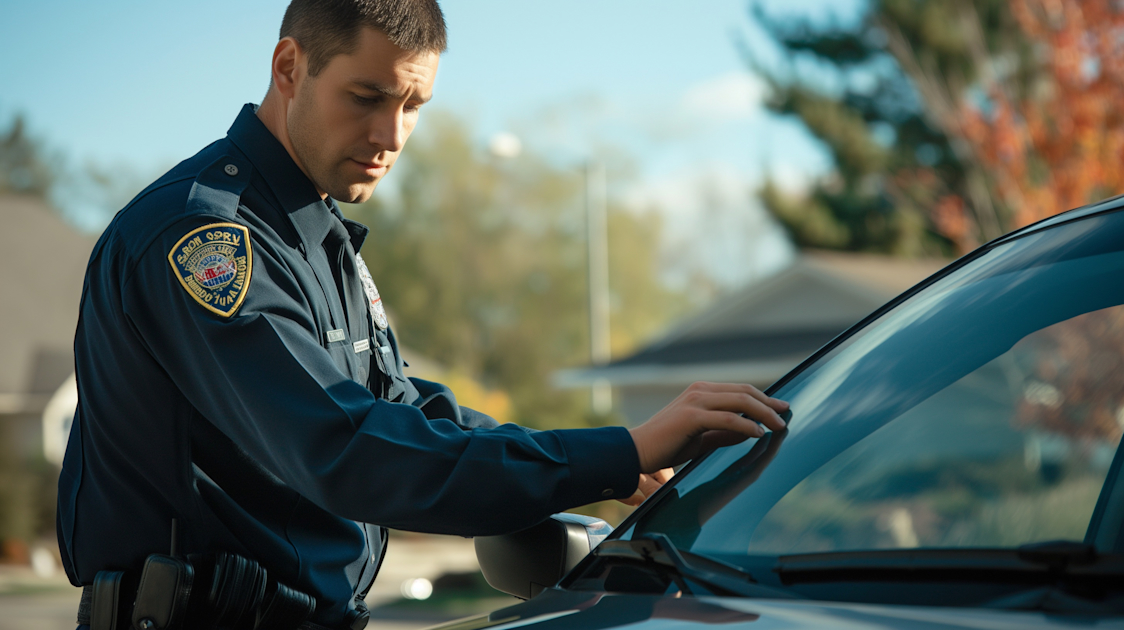
Staying legal isn’t just about avoiding fines. It’s about safety and ensuring law enforcement can see inside your vehicle when needed. Overly dark tints can hamper your visibility at night and put officers at risk during traffic stops. By keeping tabs on the latest Visible Light Transmission (VLT) rules and local reflectivity limits, you’ll protect yourself, your passengers, and anyone sharing the road with you.
Compliance also preserves your insurance coverage. Many insurers reserve the right to deny claims if they find aftermarket mods—like illegal tints—played a role in an accident. Knowing what’s allowed keeps you covered and confident behind the wheel.
Decoding Key Terms: VLT and Reflectivity
Before diving into specific rules, let’s clarify the jargon you’ll see on permits and tint meter readings.
What Is Visible Light Transmission (VLT)?
VLT refers to the percentage of visible light that passes through your window film and the glass combined. A 70% VLT means 70% of outside light makes it through; the remaining 30% is blocked. Lower VLT corresponds to darker tints, while higher VLT means lighter, airier glass. Understanding VLT helps you pick a film that meets state standards without guessing.
What Is Reflectivity?
Reflectivity measures how much light your tint bounces back, creating a mirror-like sheen. Many states cap reflectivity at 20–35% to prevent glare for other drivers. Even if your tint meets VLT limits, excessive reflectivity can still land you a ticket. Always check both numbers when choosing film.
Federal vs State Regulations
There’s no single federal law setting tint limits for side or rear windows. Instead, the Federal Motor Vehicle Safety Standards (FMVSS) govern automotive glazing quality and safety but leave darkness percentages to states.
Each state tailors rules to local priorities—some emphasize sun glare control in desert climates, while others focus on nighttime visibility on foggy coasts. You must abide by both federal safety standards (like manufacturer glazing specs) and your state’s VLT/reflectivity limits. When in doubt, defer to the state’s Department of Motor Vehicles (DMV) or law enforcement guidelines.
2025 Tint Limits for Popular States
Here’s a snapshot of front-side, rear-side, rear-window, and windshield rules in four high-traffic states. Always double-check with local authorities before tinting.
| State | Front Side VLT | Rear Side VLT | Rear Window VLT | Windshield Tint Zone | Reflectivity Cap |
| California | ≥70% | Any darkness | Any darkness | Top 4 inches (non-reflective) | No more than stock glass |
| Florida | ≥28% | ≥15% | ≥15% | Above AS-1 line (non-reflective) | ≤25% |
| Texas | ≥25% | Any darkness | Any darkness | Top 5 inches or AS-1 line | ≤25% |
| New York | ≥70% | ≥70% | Any darkness | Top 6 inches (non-reflective) | ≤25% |
Table entries sourced from each state’s 2025 regulations and RaynoFilm data.
Measuring Tint Levels and Avoiding a Window-Tint Ticket
To verify legal compliance, law enforcement uses handheld or digital tint meters. These devices clamp onto the window and display the exact VLT percentage. If your film tests darker than permitted, you risk a citation, which can range from $50 to $200 depending on the state and severity.
To sidestep costly fines:
- Get a pre-installation check from a certified shop.
- Keep your tint compliance certificate handy.
- Avoid after-market DIY kits if you can’t guarantee accuracy.
If you’re in the market for professional installation, consider a reputable window tinting service that specializes in local laws and de-bubbles films for a flawless finish.
Specialty Exemptions: Medical and Law Enforcement
Certain drivers qualify for medical exemptions allowing darker tints. Conditions like lupus, xeroderma pigmentosum, or severe photosensitivity may warrant an exemption. To apply, you’ll need:
- A licensed physician’s statement detailing your condition.
- A completed exemption form from your state’s DMV.
- Placement of the exemption card visibly on your dash whenever you drive.
Law enforcement and government vehicles also enjoy leeway under specific state statutes. However, private vehicles rarely receive similar breaks, so get your paperwork in order before taking advantage of medical exemptions.
Choosing Your Tint Film: Dyed vs Ceramic
When deciding on film, you’ll encounter multiple technologies. Here’s a quick compare of popular options:
| Film Type | Benefits | Drawbacks |
| Dyed | Budget-friendly, blocks light effectively. | Can fade over time; limited heat rejection. |
| Ceramic | Superior UV/IR protection, no fading. | Higher cost; slightly higher haze. |
| Hybrid | Blend of dye and metal — balanced cost. | Moderate performance; potential for slight reflection. |
This table synthesizes insights from Solartex’s 2025 overview. Personally, I’ve steered clients toward ceramic films for long-term performance, especially if they spend hours in the sun daily and care about maximum heat rejection.
For a deeper dive, check out our comparison of dyed vs ceramic window tints, where I detail cost, durability, and performance trade-offs.
How Long Does Window Tint Last?
Quality film and proper installation can yield 5–10 years of performance. Factors influencing longevity include:
- Film type (ceramic typically lasts longer than dyed).
- Garage storage vs outdoor parking.
- Climate extremes, as excessive heat and UV exposure can degrade dye-based films faster.
Wondering how long window tint lasts on your vehicle? It pays to ask your installer about warranties and recommended care routines. Many premium films come with a lifetime warranty against bubbling and peeling when professionally installed.
Technological Advances: Smart and Nano-Ceramic Films
Moving beyond static VLT films, manufacturers now offer “smart” or electrochromic tints that adjust opacity via a switch. While cutting-edge, these technologies face stricter regulations because they can transition outside legal VLT limits or introduce glare if mishandled.
Nano-ceramic films leverage advanced particle dispersions to reject up to 99% of infrared heat without altering VLT. They strike a balance between safety, comfort, and legality, making them a favorite for high-end car builds.
Regional Enforcement Trends
Enforcement intensity varies by region. Urban areas with higher crime rates often clamp down on dark tints to deter illicit activities. Tourist-heavy corridors may see frequent checkpoints focusing on compliance. Conversely, rural areas might exhibit more leniency due to scarce patrols.
If you travel interstate, research each state’s laws beforehand. Sites like your state DMV, law enforcement bulletins, and reputable tint retailers can alert you to enforcement campaigns.
5 FAQs About Car Window Tint Laws
Can I tint my front windshield?
Most states allow a non-reflective strip above the manufacturer’s AS-1 line (usually 4–6 inches) but ban full-windshield tinting.
Are limo-style dark tints legal?
Only on rear side and rear windows in states without full—vehicle VLT caps. Front windows almost always have stricter VLT minimums.
What if I get pulled over for illegal tint?
You’ll face a citation and may be ordered to remove or replace the film. Repeated offenses usually incur higher fines.
Can I perform DIY tinting and meet the law?
While DIY kits exist, professional shops have calibrated tint meters and clean rooms to minimize bubbles. Mistakes can lead to non-compliance.
Do aftermarket films affect my car’s resale value?
Properly installed, legal-film tints can enhance value by offering UV protection. Illegal or bubbling films can hurt resale, as buyers often factor in removal costs.
Conclusion
Navigating 2025’s car window tint laws may seem daunting, but with clear knowledge of VLT, reflectivity, and state-specific rules, you can stay street-legal everywhere you drive. Remember to verify your film with a tint meter before leaving the shop and keep medical exemption paperwork handy if applicable. Whether you opt for budget-friendly dyed film or invest in cutting-edge ceramic or smart tints, make sure your installer understands the local laws. That way, you’ll enjoy privacy, UV protection, and a cooler ride without risking fines or insurance headaches. For expert help, reach out to Summer Breeze Ceramic Coating & Mobile Detailing—we offer compliant, precision installations and ongoing support to keep your tint looking great for years.