

The overall appearance and performance of a boat can be significantly affected by everyday use and environmental exposure. For owners in Beaufort, SC, maintaining a pristine vessel is critical not only for aesthetic appeal but also for protecting valuable surfaces from damage – often requiring treatments like summer breeze ceramic coating. Whether your boat is docked at the marina or sailing the open water, neglect can lead to dullness, staining, unusual noises, and performance issues that undermine your overall boating experience. Regular inspections are essential to identify issues in time and schedule professional detailing services. If you notice persistent issues, be sure to contact a professional immediately. In this article, we outline clear signs indicating that your boat may require professional detailing, ranging from exterior fading to interior accumulation of dirt and unexpected noises. By understanding these issues, boat owners can take proactive steps to protect their investments and preserve performance. The following sections discuss various aspects such as dull exterior coatings, visible stains, the state of the interior, unusual sounds, and performance or handling challenges, as well as environmental factors that could be affecting your boat’s condition.
Transitioning now, each category below highlights specific indicators and provides actionable insights to help you determine whether professional detailing is necessary.
Recognize the Signs of Dullness on Your Boat’s Exterior
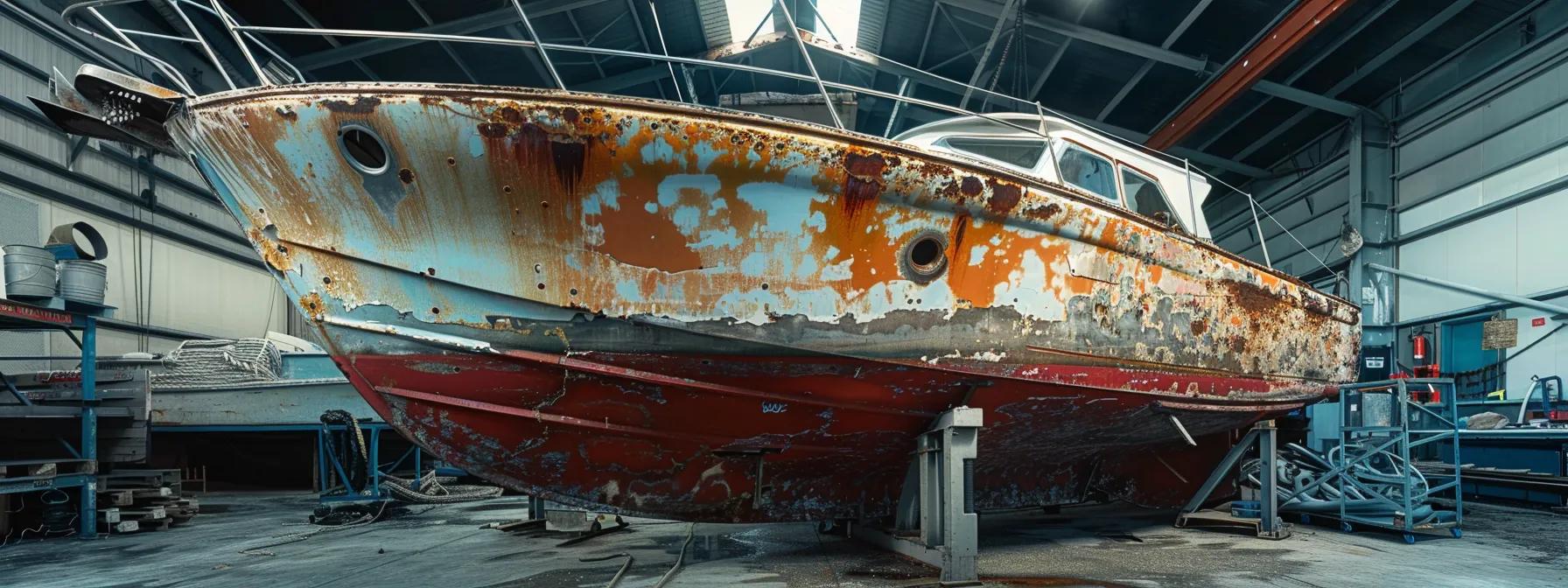
When a boat’s exterior loses its vibrant shine, it can be a telltale sign of neglect or environmental damage. The first clear indicator is a dull, faded appearance caused by long-term exposure to sun, saltwater, and other weather elements. Paint surfaces that once looked glossy may appear lackluster and worn over time, reducing the boat’s overall aesthetic appeal. Additionally, the exterior finish may exhibit signs of oxidation on critical areas such as the hull and deck. Oxidation not only affects the colors but also creates a texture that can be felt by running a hand over the surface, leading to a rough and uneven feel.
Observing the surface for fading colors and wear is essential in assessing whether time has taken its toll. When inspecting the boat, check for any portions where the finish seems uneven and less vibrant. Constant exposure to harsh elements such as rain, rainwater mixed with salt, and abrasive particles like sand can accelerate the breakdown of protective coatings. In fact, recent studies in marine maintenance have shown that even a 5% loss of gloss can indicate the onset of surface degradation and micro-abrasions from airborne dust and saltwater aerosols.
Checking for oxidation is another key step. Oxidation typically makes the surface appear chalky or flaky. When painted surfaces begin to oxidize, applying a routine wash may not restore their original shine, and you might notice that detailers must use specialized polishing compounds to remove the buildup. This oxidation can extend to both the hull and the deck, especially in boats that are used frequently in salt-rich environments.
Moreover, inspecting for roughness when touching painted areas is vital. A smooth finish that suddenly turns rough indicates that there’s hidden damage or a need for refinishing. Even the trim and fixtures might display discoloration, which signals that the protective coatings are wearing off. Regularly monitoring these signs can prevent further degradation that might necessitate costly repairs in the future.
Observe the Surface for Fading Colors and Wear
The first and most noticeable sign of dullness is the fading of paint and loss of vibrant color. When a boat is continuously exposed to high levels of UV rays from the sun and corrosive saltwater, the protective paint begins to deteriorate. As the paint fades, the underlying layers are more vulnerable to damage, which accelerates overall wear. Professional boat detailing Beaufort, SC services often begin with a careful evaluation of these effects to determine if repainting or applying a protective film is necessary.
Check for Oxidation on Hull and Deck Surfaces
Oxidation is a chemical process in which the protective finish is slowly broken down, often appearing as a white chalky residue on surfaces. This can compromise the integrity of the paint and lead to more significant damage if not addressed. Regular inspection with a microfiber cloth and specialized cleaning agents can help remove early oxidation signs, but persistent issues indicate a need for professional restoration.
Inspect for Roughness When Touching Painted Areas
A smooth finish is a sign of a well-maintained boat. If certain painted sections feel rough or gritty to the touch, it is a strong indicator that the surface is degrading due to accumulated wear or improper cleaning methods. This roughness not only detracts from the appearance but can also impact the aerodynamics and hydrodynamics of the vessel, potentially affecting performance on the water.
Assess Difficulties in Maintaining Shine After Washing
If a routine wash does not restore the boat’s shine or if products need to be constantly reapplied with little effect, it suggests that the protective coatings have been compromised. The persistent dullness after washing is a red flag that the detailing process may require more than simply a cleaning, indicating a deeper need for thorough maintenance and possibly the reapplication of ceramic coatings or waxes to restore the surface’s luster.
Spot Potential Discoloration on Trim and Fixtures
Beyond the hull and deck, other minor elements like trim and fixtures also suffer from prolonged exposure. Discoloration in these small areas can affect the overall look of the boat, creating an impression of neglect. Monitoring these components is important because they often demand attention even if the main body of the boat appears intact.
Key Takeaways:
– Fading of paint indicates loss of protective coating due to weather exposure.
– Visible oxidation manifests as a chalky residue on the hull and deck.
– Rough textures and persistent dullness after washing suggest deeper degradation.
Identify the Presence of Stains and Dirt Buildup

The accumulation of dirt and the presence of stains on your boat are key indicators that regular cleaning has been compromised. In marine environments, residues such as algae, mold, and water stains can rapidly form on surfaces that remain exposed to the elements. Whether your boat is docked or in use, stains diminish the aesthetic quality and may even lead to structural damage if left unaddressed.
One of the first things to look for is the presence of algae or mold growth on the exterior surfaces. These biological contaminants not only affect the visual appeal but also indicate a moist environment conducive to corrosion. For example, after periods of rain or when a boat has been sitting in humid conditions, one might observe dark green or black fungal growth on the hull. Medical research in mold prevention highlights that even slight moisture accumulation can allow for significant microbial colonization, leading to stains that are difficult to remove with basic cleaning agents.
Looking for water stains after rain or splashes is equally important. These stains may appear as discolored patches that form due to impurities in rainwater or saltwater residues. Such stains can eventually lead to the breakdown of painted surfaces if the water deposits are not removed quickly. The constant circulation of filtered water through the marina or dock area often leads to more water stains than one might initially notice.
Spotting rust on metal components and fittings further signifies persistent exposure to moisture and corrosive salt. Rust not only compromises the functionality of metal fixtures but also creates pathways for further corrosion, affecting hardware such as cleats, railings, and other exposed metal parts. Rust formation is particularly damaging when it occurs in combination with soap residues or abrasive cleaning techniques.
Checking for dirt accumulation in hard-to-reach areas is another critical aspect of maintenance. Areas such as the inlets and joints of the boat’s exterior often harbor dirt and grime, which can lead to long-term issues if not regularly cleaned. Dirt buildup in these concealed areas can eventually spread and cause larger, unsightly stains on more visible surfaces.
Finally, noticing heavy residue on windows or covers is also a sign of neglect. The residue can interfere with visibility and may even pave the way for more substantial scratches during cleaning. Heavy buildup indicates that standard cleaning protocols may not be sufficient, and a professional detailing service might be needed to restore the clarity and shine of these areas.
Evaluate the Presence of Algae or Mold Growth
Regular inspections should target areas prone to algae or mold, especially where moisture accumulates. Algae can create a slimy layer that encourages further microbial growth and traps debris. By addressing these early signs, boat owners can prevent increased corrosion and social health risks associated with mold.
Look for Water Stains After Rain or Splashes
Water stains represent more than a mere cosmetic issue—they indicate that the water quality is affecting the integrity of your boat’s finish. These stains, when left untreated, can lead to erosion of the paint or gelcoat layers, diminishing the boat’s protective finish over time.
Spot Rust on Metal Components and Fittings
Rust formation is crucial to detect promptly. Metal parts such as handles, rails, and even engine components might begin to show rust, which compromises both functionality and visual appeal. Preventative action, like the application of rust inhibitors and regular inspections, is recommended for maintaining these parts.
Check for Dirt Accumulation in Hard-to-Reach Areas
Areas that are not frequently cleaned tend to show a heavy accumulation of dirt and grime. These spots are best reached professionally, as detailed cleaning of these areas requires specialized tools, such as soft brushes and microfiber cloths tailored to remove stubborn debris without damaging the surface.
Notice Heavy Residue on Windows or Covers
Windows and covers often collect a mixture of airborne debris, salt, and water residue. This build-up can impair the clarity and functionality of glass surfaces, making it harder to navigate when visibility is compromised. Professional cleaning treatments that include anti-fog and protective coatings are typically recommended for these crucial components.
Key Takeaways:
– Algae and mold growth are early indicators of moisture issues.
– Water stains can compromise the protective layers over time.
– Rust on metal components and accumulation in hidden areas affect both appearance and functionality.
Assess the Condition of Your Boat’s Interior

The interior of a boat is just as important as the exterior when it comes to overall maintenance and detailing. Over time, the interior can accumulate dirt, dust, and even mildew as a result of water infiltration and high humidity conditions. Proper attention to the interior is essential not only for aesthetic reasons but also to ensure a healthy environment for passengers and crew.
Inspecting the upholstery for dirt and stains is a key indicator of how well the interior is maintained. Upholstery on boats is prone to absorbing moisture, which can lead to stains that are difficult to remove. For instance, spills from drinks or food can become permanent if not treated promptly with the appropriate cleaning agents. In many cases, professional cleaning involves the use of specialized detergents that break down oily residues, ensuring that the fabric maintains its longevity and appearance.
Another critical aspect of interior inspection is checking for dust and debris in storage compartments. These hidden areas often go unnoticed during regular cleaning sessions, yet they can harbor debris that not only impairs the look of the compartment but also potentially damages stored items over time. Regular deep-cleaning routines are necessary to alleviate this issue, particularly before long journeys when storage areas may be heavily utilized.
Looking for signs of mildew in enclosed spaces is also of great concern. Mildew thrives in damp conditions—commonly found in lower decks or areas with poor ventilation. Studies have shown that mildew spores can proliferate rapidly in high-humidity environments, posing health risks and requiring thorough cleaning with antifungal solutions. The presence of mildew is often accompanied by a musty odor, which is a clear indicator that additional ventilation or a professional clean is needed.
Evaluating the cleanliness of carpets and mats within the boat is another factor. Carpets can trap dirt, sand, and even salt residues from the marine environment. Over time, this accumulation can lead to discoloration and physical damage to the fibers. Effective steam cleaning or shampooing may be required as part of the regular maintenance to ensure that these surfaces remain both visually appealing and hygienically sound.
Finally, confirming the condition of wood and synthetic surfaces indoors is vital. Wooden interiors, while aesthetically pleasing, require regular conditioning to prevent cracking or warping due to fluctuating moisture levels. Synthetic materials, on the other hand, may require periodic treatments with specialized cleaners to retain their color and integrity. Regular inspections can help identify any issues early, ensuring that minor problems do not escalate into major repair needs.
Inspect Upholstery for Dirt and Stains
Upholstery should be carefully checked for persistent dirt and any noticeable stains that could indicate water damage or chemical residues. Professional detailing can restore the fabric with deep cleaning and reconditioning treatments, extending its life and maintaining its appearance.
Check for Dust and Debris in Storage Compartments
Storage compartments often become repositories for dust and debris. Clearing these areas not only improves aesthetics but also prevents the buildup that could attract pests or contribute to wear and tear on stored goods. A comprehensive clean-up can involve vacuuming and wiping down all surfaces with approved cleaning agents.
Look for Signs of Mildew in Enclosed Spaces
Mildew in confined spaces is a hallmark of excess moisture and poor ventilation. These areas need special attention to remove the mold and apply protective measures that block spore growth. Regular use of dehumidifiers and proper air circulation can mitigate these issues effectively.
Evaluate the Cleanliness of Carpets and Mats
Carpets and mats endure the brunt of daily use and exposure to outdoor contaminants. Their deterioration not only looks unsightly but can also lead to odors and even microbial growth. Frequent cleaning, using steam or specialized detergents, helps maintain their condition and overall hygiene.
Confirm the Condition of Wood and Synthetic Surfaces
Whether it is the rich grain of wood or the more modern look of synthetic materials, both require appropriate care. Regular polishing for wood and periodic deep cleaning for synthetic surfaces help sustain the interior’s visual finish and protect against damage from moisture and UV exposure.
Key Takeaways:
– Upholstery, carpets, and storage compartments demand regular attention to prevent accumulated stains and debris.
– Mildew is a serious concern in low-ventilation areas and requires prompt antifungal treatment.
– Maintaining the condition of wood and synthetic surfaces preserves both aesthetics and functionality.
Listen for Unusual Noises While Using Your Boat

Unusual noises emanating from your boat can be a critical indication of underlying mechanical or structural issues. These sounds may not always be immediately obvious during casual use, but attention to detail can reveal subtle clues that something may be amiss. Whether it is a creaking deck or an engine making unexpected sounds, identifying these noises early can help prevent costly repairs down the line and ensure that your boat remains safe to operate.
The first step is to notice any strange sounds coming from the engine. A well-maintained engine should run smoothly with a consistent hum or whine. Any deviations, such as rattling or clanking, may be signs of internal wear or issues within the fuel system. Regular inspections by a qualified marine technician can diagnose and remedy these early symptoms before they escalate into major engine failures.
Deck Creaks: Causes & Fixes
Identifying creaking or squeaking from the deck is another key indicator. As boats age, the expansion and contraction caused by temperature fluctuations can lead to loosening of fixtures or structural elements. A persistent creak made by the deck is often the result of metal fittings rubbing against one another or the deck surface itself, necessitating lubrication or tightening of fasteners. The deployment of high-quality marine lubricants and advanced sealants represented by innovations from brands like Makita or Suntek helps in preventing these occurrences.
Recognizing issues related to the bilge pump noise is also essential. The bilge pump is a critical component designed to expel unwanted water; however, unusual vibrations or a louder-than-normal operation might indicate obstructions or an impending failure. Given how integral the bilge pump is in preventing water accumulation that could lead to further damage, any deviation from the normal working sound should prompt an immediate inspection.
Moreover, paying attention to rattling sounds during motion is important. When a boat is underway, any unfamiliar rattling may result from improperly secured objects, loose mounts, or potentially even structural shifts. These sounds, although they might initially seem minor, can escalate into dangerous situations if left unaddressed. Finally, detecting unusual vibrations when under power signals that the vessel’s balance or structural integrity might be compromised. This could be due to wear on the hull, engine misalignments, or issues with the propulsion system’s mounts, all of which require swift intervention.
Notice Any Strange Sounds From the Engine
Engine noise monitoring is an important step for ensuring mechanical reliability. Abnormal clanks or vibrations should be investigated immediately to avoid further damage or engine failure.
Identify Creaking or Squeaking From the Deck
Deck noises are often caused by thermal expansion or loose fittings. Routine maintenance, including tightening and lubricating components, can mitigate these issues and prolong the lifespan of deck materials.
Recognize Issues Related to the Bilge Pump Noise
A properly functioning bilge pump should operate quietly. If it becomes excessively loud or irregular, it is likely encountering resistance or internal issues that could compromise its efficiency and require expert servicing.
Pay Attention to Rattling Sounds During Motion
Rattling can be symptomatic of unsecured equipment or structural stress. Identifying these sounds quickly can allow for minor fixes before they grow into potentially hazardous problems, ensuring safety while navigating rough waters.
Detect Unusual Vibrations When Under Power
Unexpected vibrations can indicate misaligned engines or imbalance in the hull structure. Continuous vibrations may lead to further stress on critical components, and thus, should prompt an immediate diagnostic review from a professional technician.
Key Takeaways:
– Abnormal engine sounds are early warnings for potential mechanical issues.
– Creaks, rattles, and unusual vibrations require prompt inspection to prevent larger failures.
– Consistent noise monitoring can safeguard against costly repairs and ensure safe operation.
Monitor Your Boat’s Performance and Handling

Monitoring the performance and handling of your boat is crucial for identifying subtle issues before they evolve into major mechanical failures. Performance decreases, such as a decline in speed or acceleration, often serve as early signals that internal systems or external components are experiencing stress or wear. Changes in performance may be traced back to issues with the engine, hull cleanliness, or even wear on the propeller. It is essential for boat owners to regularly gauge their vessel’s responsiveness to ensure it is operating at its optimal level.
A noticeable decline in speed or acceleration could be attributed to several factors. One common reason is excessive drag caused by dirt buildup on the hull or an unpolished gelcoat finish that hinders water flow. Regular cleaning using the correct tools, such as soft microfiber cloths and non-abrasive detergents, is necessary to maintain a smooth, streamlined surface on the hull. Additionally, contaminants like salt and dirt can accumulate around the propeller, disrupting its efficiency and reducing overall speed.
Steering responsiveness and smoothness are equally important performance indicators. If the yacht or boat begins to feel less responsive while maneuvering, it might be due to damage in the rudder, misalignment of the steering linkages, or worn-out bearings from prolonged exposure to saltwater. Such issues not only affect the handling but also reduce the overall safety during docking and high-speed maneuvers. Detailed checks of the steering system and routine maintenance are recommended to ensure precision control over the vessel.
Changes in fuel consumption rates also offer insights into the vessel’s health. An unexplained increase in fuel usage can indicate that the engine is working harder due to excessive friction or mechanical inefficiencies. This increased friction, which might be caused by insufficient lubrication of moving parts or degraded engine components, often results in a direct impact on the boat’s operational cost and performance over time.
Evaluating stability in rough water conditions further aids in identifying performance-related challenges. A boat that starts to feel unstable or difficult to control during rough weather signals potential issues with weight distribution, hull integrity, or even outdated safety equipment. Handling difficulties during docking also provide a clear sign that there may be misalignments in the steering mechanism or issues with the control system that need prompt addressing.
Observe Any Decline in Speed or Acceleration
Declining speed performance is usually a red flag for underlying problems such as accumulated dirt on the hull or mechanical inefficiencies. Regular speed tests and performance evaluations can help diagnose these issues early.
Check Steering Responsiveness and Smoothness
Optimal steering response is a key indicator of a boat’s operational health. Diminished smoothness in steering might be linked to worn-out mechanical components or improper maintenance, necessitating professional assessment to restore control and safety.
Notice Changes in Fuel Consumption Rates
A sudden spike in fuel consumption is a measurable sign of increased engine workload. This could be due to friction from built-up contaminants or mechanical wear, emphasizing the importance of regular maintenance and timely detailing.
Evaluate Stability in Rough Water Conditions
Assessing how the boat performs under challenging conditions provides insight into its current state. Stability issues in rough waters might indicate deeper structural or mechanical concerns that require specialized attention and repairs.
Identify Handling Difficulties During Docking
Docking requires optimum control and precise handling. Any difficulty during this maneuver suggests potential issues with the steering system or balance that should be addressed immediately to avoid further deterioration.
Key Takeaways:
– Declines in speed and acceleration signal underlying mechanical stress.
– Steering issues and fluctuating fuel consumption rates are important performance indicators.
– Stability during rough waters and docking difficulties reveal potential structural problems.
Consider Environmental Factors Affecting Your Boat

Environmental factors play a crucial role in the maintenance and overall condition of a boat. Boats, particularly those in coastal areas like Beaufort, SC, are exposed to a variety of harsh natural elements that can accelerate wear and damage if not properly managed. Constant exposure to sunlight, saltwater, and environmental debris can cause significant deterioration to both the exterior and interior surfaces of the boat.
Assessing wear due to prolonged sun exposure is essential because ultraviolet (UV) radiation can rapidly break down protective coatings and lead to fading, cracking, or peeling of the paint. The intense heat from the sun, particularly during summer months, heightens the chemical reactions that cause these degradations. Studies suggest that UV exposure can reduce the lifespan of protective coatings by as much as 30% in marine environments compared to sheltered conditions. The loss of these coatings not only diminishes the boat’s appearance but also compromises the underlying material, making it more susceptible to saltwater and other corrosive agents.
Identifying the effects of saltwater corrosion is another critical concern. Saltwater contains high levels of electrolytes, which can accelerate corrosion on metal parts and fittings. Regular cleaning and the application of anti-corrosive agents can help mitigate these effects, but once corrosion sets in, it can be challenging to reverse. Boats frequently exposed to salt spray require periodic professional detailing to reapply protective coatings such as ceramic coatings or wax treatments that provide an additional barrier against corrosion.
Looking for tree sap or bird droppings on surfaces is also important. While seemingly minor, these contaminants can have a corrosive effect over time. Tree sap can harden on the surface, causing discoloration and potentially damaging the paint, while bird droppings may contain acids that eat away at the finish if not removed promptly. Each of these issues underlines the need for regular cleaning routines tailored to the boat’s specific environment.
Evaluating the impacts from heavy storms or weather events offers further insight. High winds, heavy rain, and stormy conditions can lead to the accumulation of debris, sand, and dirt on the boat’s surfaces. Such weather events can not only physically damage the boat but also result in uneven wear patterns if the boat is not properly secured or covered during severe weather. The force of storm-driven debris, combined with the abrasive particles carried by the wind, can contribute to scratches and surface erosion that demand professional attention.
Finally, monitoring the buildup of debris from nearby vegetation is also essential. Boats moored near heavy vegetation may collect pollen, leaves, and other organic matter that, over time, can cause unsightly stains and even foster mold growth when combined with moisture. Regular inspections and timely cleanings help mitigate the long-term effects of these environmental challenges.
Assess Wear Due to Prolonged Sun Exposure
Sun exposure is a primary factor in the degradation of a boat’s finish. UV radiation not only fades colors but also weakens protective coatings, necessitating regular reapplication of waxes and sealants to preserve appearance and integrity.
Identify the Effects of Saltwater Corrosion
Saltwater accelerates corrosion in metal and composite materials, reducing the durability of both structural and decorative components. The presence of salt accelerates chemical reactions that erode protective layers, highlighting the need for periodic application of high-quality marine coatings.
Look for Tree Sap or Bird Droppings on Surfaces
Even seemingly minor contaminants like tree sap or bird droppings can have a significant corrosive effect over time. Immediate removal and regular cleaning can prevent these substances from sticking and causing permanent damage.
Evaluate Impacts From Heavy Storms or Weather
Severe weather can deposit abrasive debris onto your boat, causing scratches and other forms of physical damage. A detailed inspection after storms can reveal issues that may need immediate professional attention to prevent further wear.
Monitor the Buildup of Debris From Nearby Vegetation
Vegetative debris, when left on boat surfaces for extended periods, can lead to staining and even encourage mildew growth. Regular removal through thorough cleaning routines is vital to preserving the boat’s finish and functionality.
Key Takeaways:
– Prolonged sun exposure accelerates the breakdown of protective coatings.
– Saltwater corrosion is a significant issue that necessitates specialized treatments.
– Debris from vegetation and weather events can cause cumulative damage to both aesthetic and functional components.
Frequently Asked Questions
How often should I have my boat professionally detailed?
It is recommended to have your boat professionally detailed at least once or twice a year, depending on the level of use and environmental exposure. Regular detailing helps restore protective coatings and prevent chronic issues like corrosion and oxidation.
Can regular cleaning prevent the need for professional detailing?
While routine cleaning can mitigate minor issues, professional detailing addresses deeper problems such as oxidation, buildup of grime, and damage caused by prolonged environmental exposure, ensuring longer-lasting protection for your boat.
What signs suggest that the boat’s performance is affected by poor maintenance?
Indicators include a decline in speed and acceleration, unusual fuel consumption increases, and handling difficulties during docking or in rough water. These performance drops typically stem from accumulated dirt, corrosion, and mechanical wear.
How does saltwater exposure affect my boat’s exterior?
Saltwater exposure accelerates the oxidation process, leading to fading colors, rough surfaces, and corrosion on metal components. Routine maintenance and periodic application of anti-corrosive coatings can significantly reduce these effects.
Why is it important to monitor the interior condition of my boat?
The interior is susceptible to mold, mildew, and dirt buildup that not only affect aesthetics but also the overall health environment onboard. Regular inspection and cleaning of upholstery, carpets, and storage compartments are crucial for comfort and longevity.
What role does environmental debris play in boat maintenance?
Environmental debris such as tree sap, bird droppings, and storm-dropped particulate can cause long-term damage to both exterior and interior surfaces, leading to staining, corrosion, and the need for more frequent professional detailing.
Final Thoughts
Regular inspection and maintenance of a boat are essential for sustaining its performance, safety, and aesthetic appeal. Recognizing signs such as dull exterior surfaces, persistent stains, interior buildup, unusual noises, and changes in performance can help prevent more severe issues. At Summer Breeze Ceramic Coating, we provide professional detailing services that not only restore your boat’s appearance but also enhance its longevity and protect it against environmental damage. Staying proactive with these inspections ensures a safe, beautiful, and efficiently performing boat for years to come.