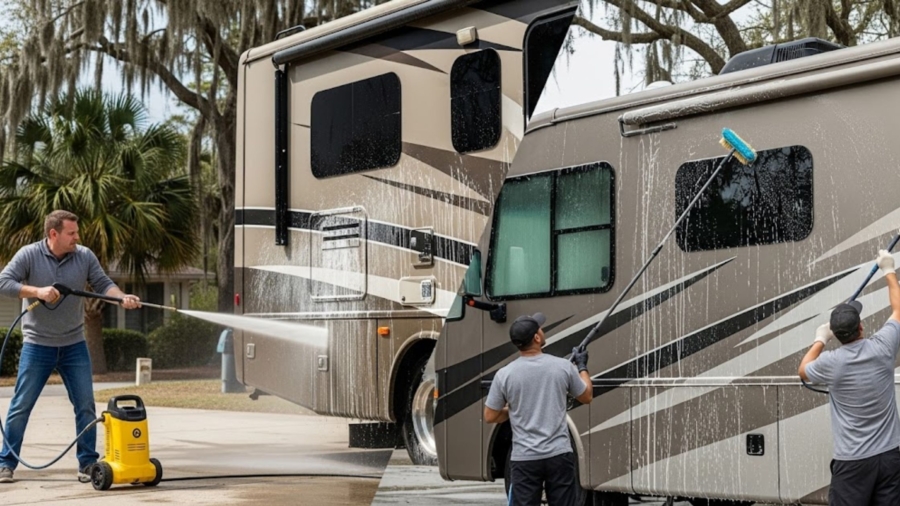
What Are the Dangers of DIY RV Washing in Beaufort’s Coastal Climate?

What Are the Dangers of DIY RV Washing in Beaufort’s Coastal Climate?

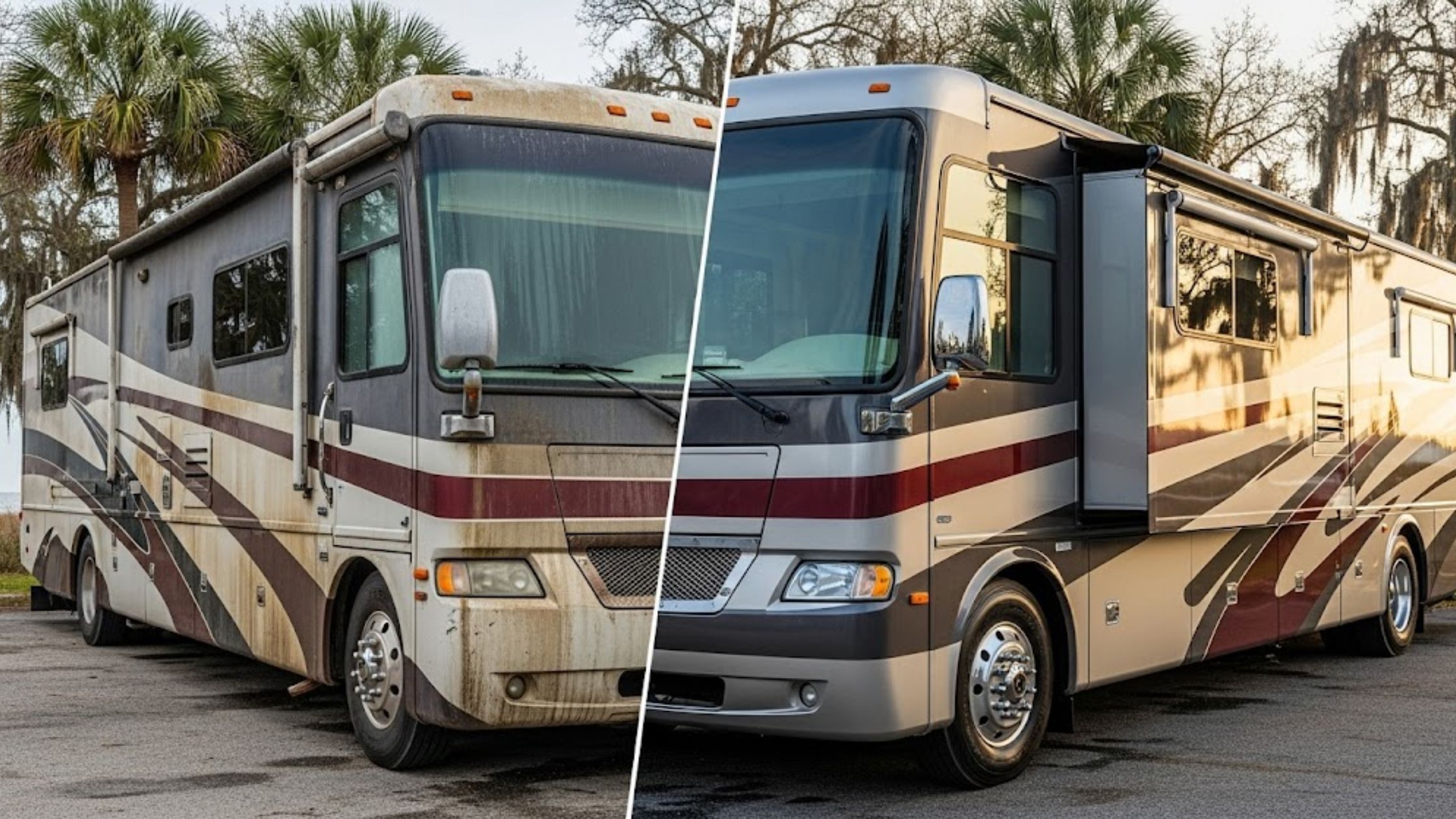
Owning an RV is about embracing freedom, adventure, and the open road. Yet in Beaufort’s coastal climate, the relentless salt air, humidity, and UV exposure create a unique set of challenges for maintaining a recreational vehicle. RV Detailing Beaufort SC specialists emphasize that attempting a do-it-yourself wash can inflict lasting damage—from hidden leaks and faded paint to compromised seals and roof degradation. In this environment, residential hoses and generic soaps simply aren’t enough to safeguard gel coat, decals, rubber roofs, and the intricate finishes that make each rig stand out.

How important is a clean and well-maintained RV?

RV Detailing Beaufort SC experts agree that regular cleaning and maintenance aren’t cosmetic luxuries; they’re essential for structural integrity and resale value. A neglected RV exterior invites salt corrosion, oxidative breakdown of gel coat, and weakened weather seals that protect interior walls, cabinetry, and electrical systems. In Beaufort’s salty breeze, tiny metal fixtures, awning tracks, and undercarriage components succumb more quickly to rust and deterioration if contaminants aren’t fully removed.

Fiberglass surfaces can chalk and lose their glossy finish when sunscreen residue, bird droppings, and salt deposits linger too long. Slide-out seals may crack under the stress of dried contaminants, leading to costly interior water damage. Regular professional detailing addresses these vulnerabilities by using marine-grade soaps, deionizing rinse water, and inspector-trained technicians who catch early signs of structural compromise.

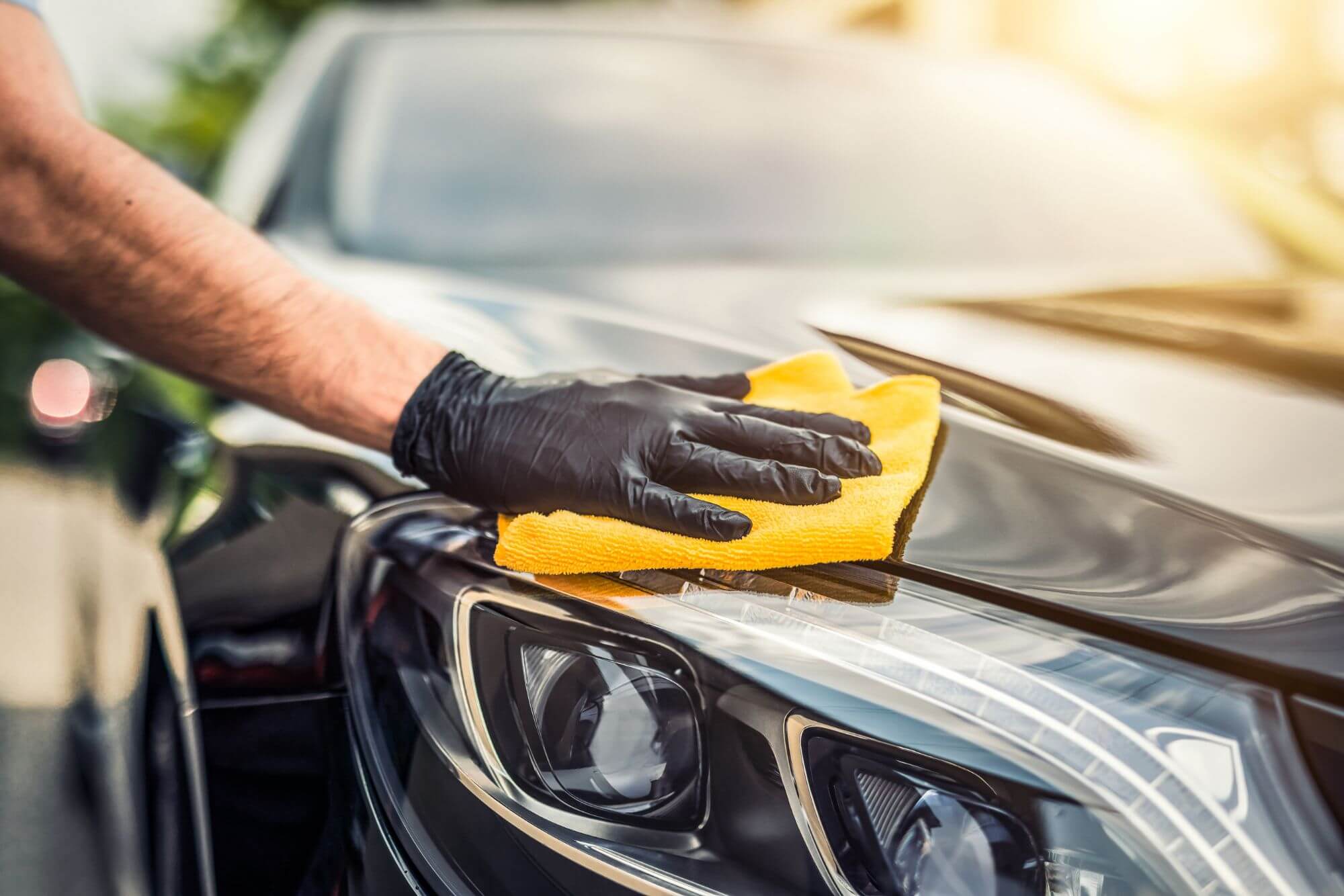
Professional treatises on mobile detailing highlight that neglecting thorough maintenance can shorten an RV’s lifespan by years. Owners who invest in routine care—waxing, ceramic coating, seal inspection—not only preserve their home-on-wheels but often enjoy higher trade-in values. In contrast, DIY washes leave behind micro-abrasions and surface residues that accelerate paint fading and oxidation.

Can a harsh cleaning agent damage an RV?

RV owners often reach for household detergents or power-washer detergents off the shelf, unaware that these formulas can be too abrasive. In Beaufort’s intense sun and salt-laden air, compromised gel coat loses its protective UV barrier, causing premature chalking and discoloration. An aggressive cleaner can strip away wax, degrade clear coats, and dull the finish that shields fiberglass and painted surfaces.

When a cleaner dissolves the silicone-based sealant around vents, windows, and slide-outs, water infiltration becomes a silent threat. Leaks may only manifest when water damage has progressed behind walls, damaging cabinetry, insulation, and electronic components. Finally, rust formation on exterior hardware invites expensive metal treatment or even component replacement.

Gentle RV-specific soaps maintain pH balance and protect polymer finishes, while soft brushes and dual-bucket methods prevent micro-scratches. By contrast, generic or industrial-strength agents generate surface etching that’s impossible to correct with simple waxing. A proper mobile detailing service balances chemical efficacy with rinse-water purity, ensuring every contaminant is removed without collateral damage.

What happens if you don’t properly dry your RV after a wash?

In Beaufort’s humid coastal atmosphere, water spots and streaks form almost instantly on untreated surfaces. Left to evaporate under the midday sun, mineral deposits etch clear coats and glass, creating long-term staining that detracts from curb appeal. Even more insidious, water can pool in seams, corner joints, and rubber roof membranes, seeping past weakened seals to promote mold, mildew, and wood rot.

A rushed DIY routine often skips the meticulous squeegee, chamois, or compressed-air drying steps used by professionals. That moisture intrusion leads to equipment corrosion—think ladder mounts, hinge springs, and aluminum undercarriage brackets—and lowers the RV’s insulation performance by saturating fiberglass and foam cores behind paneling.

Drying techniques employed by experienced mobile detailers include filtered compressed air for crevices, microfiber drying mitts for painted surfaces, and brush-on drying aids that repel mineral deposits. These methods preserve the integrity of both finishes and seals, preventing the hidden leaks and interior damage that DIY neglect invites.

Why is professional RV roof cleaning essential in Beaufort’s coastal climate?

RV roofs take the brunt of sun, salt, pollutants, and storm debris. DIY roof cleaning often skips proper pre-treatment, relying instead on a bucket and garden hose that lack the pressure and filtration required to remove salt crystals from rubber, TPO, or fiberglass membranes. Salt retention accelerates polymer breakdown and invites micro-fractures that lead to leak paths.

Professionals use specialized soft-bristle roof brushes, deionized water systems to eliminate mineral content, and eco-friendly roof cleaners formulated to dissolve oxidation without compromising membrane elasticity. They also apply UV-blocking roof sealants to protect against photodegradation and reduce interior heat gain, which cuts air-conditioning loads during Beaufort summers.

Mid-service, many home wash kits neglect to treat seams around vents and antennas—prime leak areas in coastal conditions. Expert detailers perform thorough seam inspections, reseal vulnerable patches, and schedule follow-up checks to ensure full membrane integrity.

How does Beaufort’s coastal climate exacerbate paint oxidation?

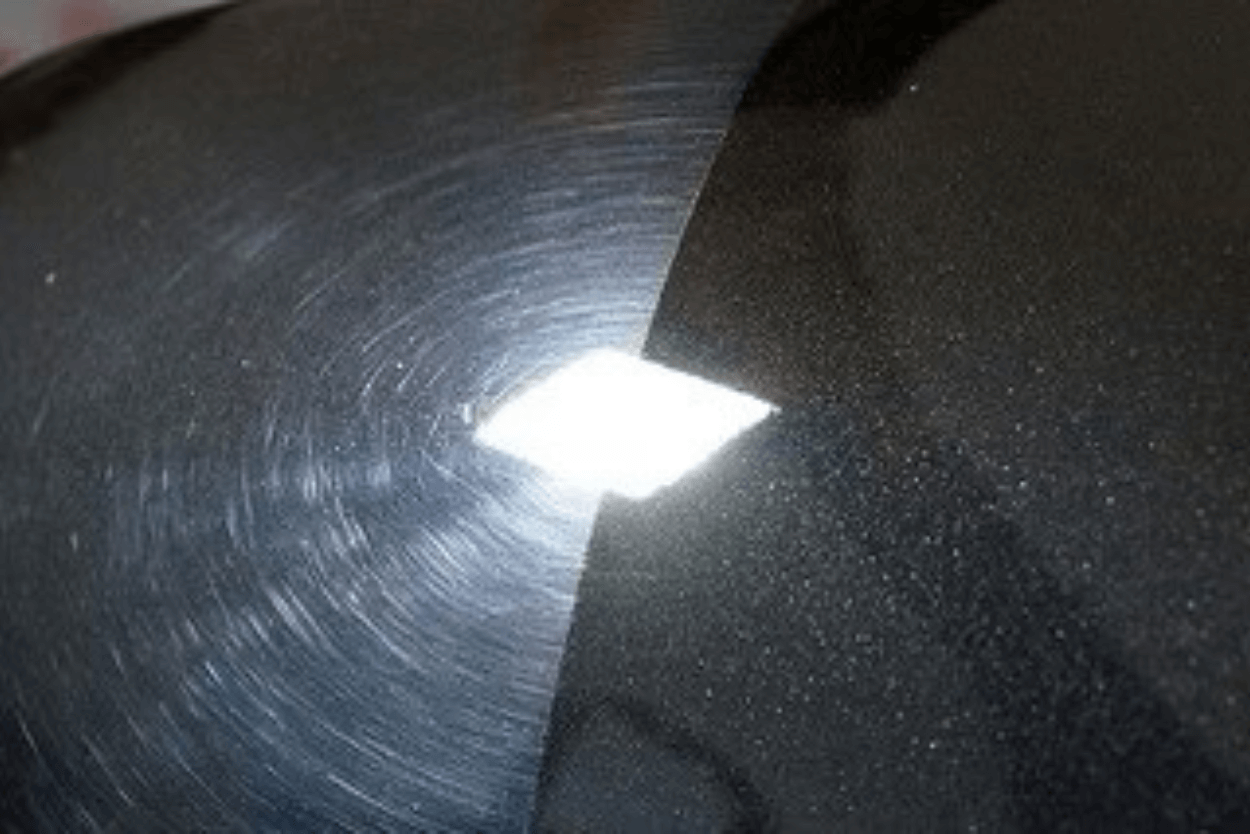
Oxidation is the chemical breakdown of the protective clear coat and pigment layers on painted surfaces. Salt accelerates this process by drawing moisture into micro-scratches, acting as an electrolyte that promotes the degradation of resin binders. High UV intensity further destabilizes polymer chains, causing chalkiness and surface dullness.

Attempting an oxidation removal DIY can compound the issue if harsh compounds dull the paint or if polishing generates uneven heat spots that scorch edges. Professional oxidation treatments start with proper surface prep—thorough decontamination, pH-balanced degreasers, and claying—followed by controlled chemical deoxidizers and machine polishing using calibrated torque settings. The result restores uniform gloss and protects deeper pigment layers.

Overlooking a single oxidized patch along the RV’s waterline can create an unsightly “weather belt,” diminishing overall aesthetics. Expert mobile detailers offer long-lasting sealants or ceramic coatings that form a durable, chemical-resistant barrier to impede future oxidation.

Comparing DIY vs. Professional RV Washing in Beaufort

Aspect DIY Washing Professional RV Detailing
Cleaning Agents Household soap, dish detergent RV-specific, pH-balanced soaps
Equipment Garden hose, generic brushes Deionized water systems, soft roof brushes
Drying Techniques Air drying, chamois Microfiber drying aids, compressed air
Seal Inspection Rarely conducted Thorough seam and rubber seal checks
Oxidation Prevention Wax applications, often uneven Controlled polishing, ceramic coatings
Warranty and Service Assurance None Service guarantees, follow-up inspections

This table illustrates the stark differences between a quick DIY rinse and a comprehensive professional service tailored for Beaufort’s demanding environment.

When should you call a professional for RV detailing?

While DIY washes may save money initially, Beaufort’s coastal elements make professional detailing a necessity at least twice a year. After major trips, seasonal transitions, or extended storage, expert care preserves gel coat, maintains membrane elasticity, and ensures vents, gutters, and slide-outs remain leak-free.

Mid-service inspections often uncover developing issues: a weakened emergency roof vent seal, micro-cracks on fiberglass edges, or early rust beneath ladder rungs. Professional technicians document findings, apply targeted repairs, and plan routine maintenance schedules—preventing minor issues from ballooning into major, expensive overhauls.

Midway through the detailing flow, technicians might recommend protective treatments beyond washing, such as polymer sealants or spare-tire covers to shield vulnerable rubber parts, aligning maintenance tasks with Beaufort’s high-sun, high-heat seasons.

The true cost of overlooking proper RV care

Many RV owners undervalue the cost of neglect until hidden water intrusion leads to interior rot, mold remediation, and electronic replacement. While a DIY wash costs minimal supplies, failing to protect against oxidation or seal failure can turn minor touch-ups into thousands of dollars in repair bills.

A transparent rate sheet for RV Detailing Cost In Beaufort SC reveals that routine professional washes, seal inspections, and light oxidation treatments often cost less than 10% of what interior water damage repairs would amount to. Preventive care, therefore, represents a high-ROI strategy for preserving RV structural and cosmetic health.

By budgeting routine detailing into annual travel plans, owners avoid unplanned downtime, emergency repairs, and devaluation at resale time.

Integrating ceramic coating as a long-term defense

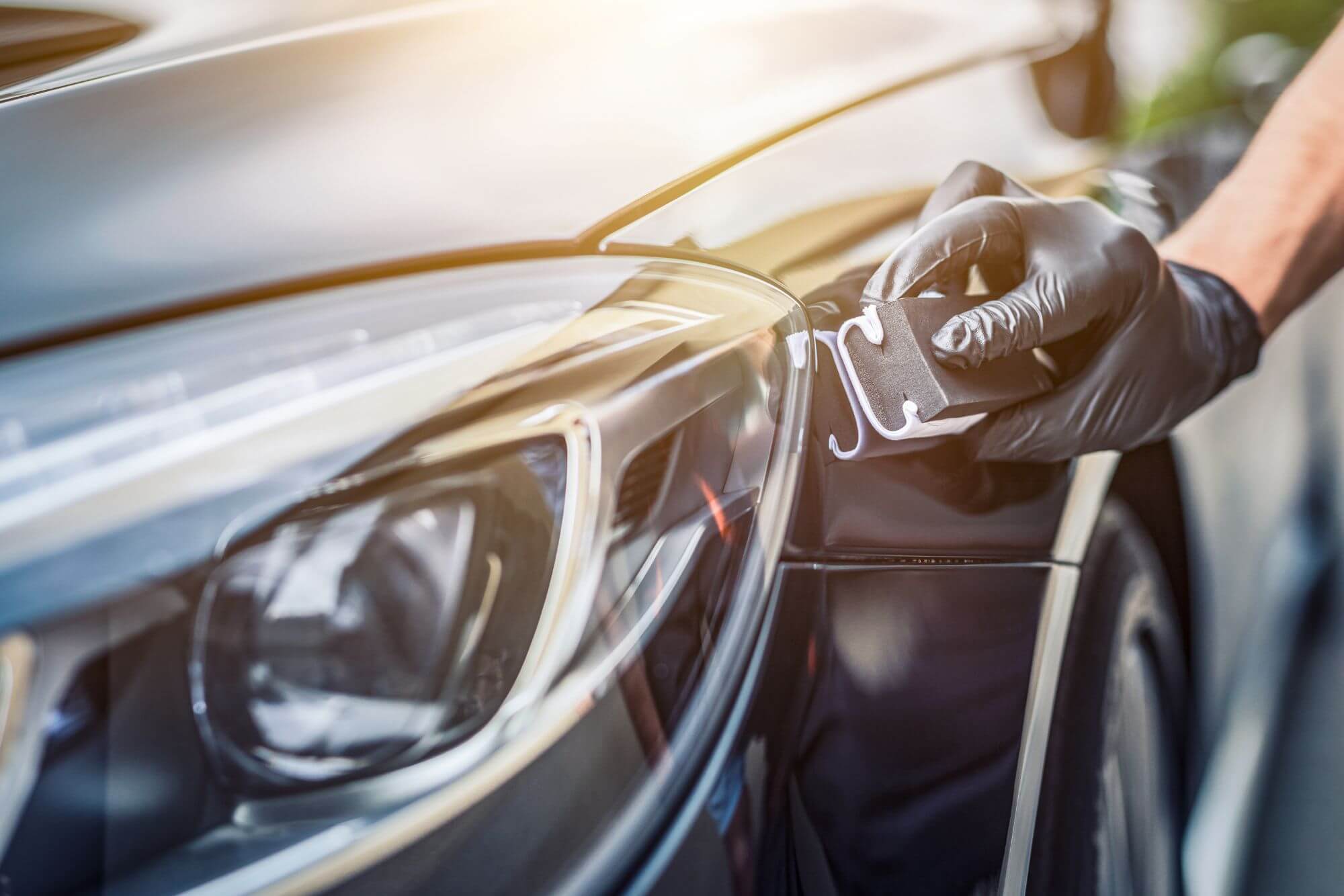
While wax provides short-term shine, ceramic coatings deliver multi-year defense against salt spray, UV rays, and surface contaminants. These nano-ceramic layers bond at a molecular level, creating a hydrophobic surface that reduces water spotting, repels bird droppings, and simplifies routine washes.

Many Beaufort RV owners deliberate on RV Ceramic Coating Worth versus traditional wax. The answer lies in lifecycle cost: ceramic coatings typically last three to five years with proper maintenance, versus a few months for wax. Beyond durability, ceramic barriers enhance gloss, reduce minor abrasion risk, and maintain cooler surface temperatures.

Opting for ceramic application after a full oxidation removal ensures the coating adheres to pristine paint, maximizing longevity.

Partnering with a trusted local specialist

Beaufort’s unique climate demands an in-depth understanding of salt concentration zones, wind-borne debris patterns, and seasonal UV fluctuations. A local detailing expert has both the equipment and the environmental knowledge to deploy best practices in cleaning and protection.

In mid-article discussions about localized expertise, many owners choose RV Detailing Beaufort SC professionals for their proven track record in safeguarding both wet and dry seal systems. These experts calibrate rinse-water hardness, select region-specific cleaning agents, and schedule treatments aligned with salt-laden storm seasons.

That targeted scheduling—winter windstorm pre-treatment, spring wash-down, and late-summer seal rejuvenation—beats the one-size-fits-all approach of DIY routines.

Looking ahead: maintenance milestones for coastal RV owners

To maintain structural integrity and appearance, coastal RV owners should follow a biannual service calendar:

  1. Early Spring – Full decontamination wash, roof membrane inspection, oxidation check, and seal conditioning.
  2. Late Spring – Light wash, undercarriage rinse, and ceramic top-up coat.
  3. Mid-Summer – Quick rinse, bug-splat treatment, and awning clean.
  4. Early Fall – Comprehensive wash, slide-out seal lubrication, and membrane UV retreatment.
  5. Pre-Winter – Interior moisture control, roof seal audit, and exterior protective spray.

This rhythm harmonizes with Beaufort’s weather cycles, preventing salt, pollen, and UV from converging into lifecycle-shortening stressors.

Through disciplined scheduling with a professional team, owners ensure that no seasonal variable catches their RV unprepared.

Why Summer Breeze Ceramic Coating & Mobile Detailing excels

Local marine coatings, roof-safe sealants, and precision detailing techniques set Summer Breeze Ceramic Coating & Mobile Detailing apart. Technicians arrive mobile-equipped, delivering turnkey services that minimize owner downtime. Beyond washing, they certify membrane integrity, apply advanced ceramic layers, and conduct a full post-treatment inspection report.

For an RV owner who values peace of mind, direct line scheduling and transparent service logs make Contact us the natural next step. With digital before-and-after galleries and electronic maintenance reminders, the partnership becomes as seamless as the hydrophobic surfaces they create.

Owners who rely on Summer Breeze Ceramic Coating & Mobile Detailing gain both protection and clarity—knowing exactly what treatments were applied, why, and when repeat care is recommended.

Key entities and best-practice considerations

In Beaufort’s coastal RV detailing narrative, several entities and technical points recur:

  • Gel coat protection
  • Rubber roof membranes (EPDM, TPO)
  • Polymer sealant joints and slide-out gutters
  • Hydrophobic ceramic coatings
  • UV-blocking roof sealers
  • Deionized rinse water
  • Oxidation-removal compounds
  • Interior mold and moisture checks

Each component demands specialized treatment. A one-size-fits-all hobby wash falls short, while professional teams integrate every element into a cohesive maintenance protocol.

Holistic care ensures that no latent threat—be it salt intrusion or micro-fracture—escapes detection and remediation.

Frequently Asked Questions

  1. How often should I professionally detail my RV in Beaufort’s coastal climate?

To counter salt, UV, and humidity, experts recommend a full professional detail at least twice a year, ideally in early spring and pre-winter, with light maintenance washes in between.

  1. Can I use a pressure washer for RV roof cleaning?

High-pressure streams risk stripping sealants and forcing water under roof membranes. Low-pressure spray combined with soft-bristle brushes and deionized water is the safest method for roof care.

  1. What’s the difference between ceramic coating and wax?

Wax offers short-term shine and minor protection for a few months, while ceramic coatings form a durable, multi-year barrier against oxidation, UV rays, and salt.

  1. How can I avoid paint oxidation on my RV?

Regular gentle washing, pH-balanced cleaners, controlled oxidation removal, and sealing or ceramic coatings prevent the clear coat’s breakdown and preserve paint gloss.

  1. At what point should I replace seals and gaskets instead of just cleaning them?

If seals show cracks deeper than 1 mm, exhibit discoloration, or fail moisture intrusion tests, replacement is more effective than cleaning or conditioning.

Final Words

In Beaufort’s demanding environment, proper RV maintenance goes beyond cosmetic appeal—it safeguards structural integrity and preserves investment value. For professional RV care tailored to coastal challenges, RV owners partner with Summer Breeze Ceramic Coating & Mobile Detailing. Their expertise in RV Detailing Beaufort SC culminates in comprehensive washing, precision oxidation control, membrane renewal, and advanced ceramic barrier application—ensuring every journey begins with confidence and every camper stays protected.

Ceramic Coating a Good Investment for My RV in Beaufort

Is Ceramic Coating a Good Investment for My RV in Beaufort, SC?

RV owners in and around the Lowcountry often ask whether ceramic coating truly delivers the long-term protection and aesthetic appeal they seek. When evaluating options like waxing, sealants, and polymer layers, understanding the role of professional RV Detailing Beaufort SC services can clarify why ceramic coating has become such a popular choice. Integrating this advanced technology into a routine maintenance plan ensures that motorhomes remain vibrant and shielded against harsh coastal elements.

Ceramic coating for RVs uses a liquid polymer that chemically bonds to the factory paint, forming a transparent, durable shield. Across sun-soaked highways and salty marsh roads, this barrier provides UV protection for motorhomes, guards against oxidation, and simplifies cleaning. For RV owners in Beaufort, SC, where summer sun and summer storms alternate, it transforms diligent upkeep into a far more manageable chore.

In professional third-person assessments, ceramic coatings are compared by their hydrophobic properties, scratch resistance, and the depth of gloss they impart. Experts note that while an upfront investment exceeds that of waxing, the durability of a ceramic layer can span years rather than months. As such, owners weigh cost against extended protection and potential resale advantages.

Do you need a ceramic coating on your RV?

RV enthusiasts often wonder if the extra expense of ceramic coating is justified compared to conventional maintenance. Third-party tests confirm that a high-quality ceramic paint sealant bonds at the molecular level, filling micro-pores in the clear coat to deliver a uniform gloss and fortified surface. This molecular fusion reduces the adhesion of dirt and pollutants, making routine washes faster and less abrasive.

By repelling water so effectively, ceramic coatings create a hydrophobic layer that causes rain and wash water to bead and roll off, carrying away grime. Observers in coastal Beaufort have reported that their coated RVs stay free of bird droppings, salt spray, and pollen far longer than uncoated rigs. The result is a showroom finish with minimal effort between professional details.

However, ceramic coating is not a cure-all. Without proper surface preparation—thorough washing, decontamination, and paint correction—any protective polymer will bond less effectively. Certified detailers insist on meticulous prep work, as even minor residues can compromise adhesion and lead to uneven patches or premature failure.

Ultimately, whether one “needs” ceramic coating hinges on usage patterns and long-range plans. Owners who cruise seasonal routes, camp near saltwater marinas, or simply want to maximize curb appeal for resale will find that the benefits often outweigh the initial premium.

RV Detailing Beaufort SC: Why ceramic coating stands out

RV Detailing Beaufort SC: Why ceramic coating stands out

RV Detailing Beaufort SC firms observe that ceramic coatings have taken center stage due to their unmatched combination of gloss enhancement, chemical resistance, and long-lasting paint protection. When comparing this solution to wax or synthetic sealants, coating manufacturers emphasize the 9H hardness rating—a measure of scratch resistance on the pencil scale—that delivers a tougher surface less prone to swirl marks and minor abrasions.

Local professionals highlight the coating’s UV protection for motorhomes as a crucial selling point. In Beaufort’s intense summer sun, unprotected surfaces suffer from oxidation and chalking, which dull the finish and accelerate clear coat breakdown. A ceramic layer filters UV rays, arresting color fade and preserving that freshly detailed look far longer.

Moreover, ceramic coatings simplify maintenance. Instead of laborious hand-waxes, RV owners can spray on a diluted maintenance product, rinse, and dry. The time saved on cleaning adds up over the years, translating into real dollars saved on labor or DIY supplies. In a region where outdoor living is a way of life, that convenience resonates strongly.

The third-person consensus among local aficionados is clear: Invest upfront in professional application, and the RV’s exterior will pay dividends through easier upkeep, a deeper shine, and enhanced longevity—all critical factors for Beaufort’s discerning campers.

Hydrophobic properties and self-cleaning

Ceramic coatings for RVs exhibit superior hydrophobic qualities compared to traditional waxes. When rainwater hits a coated surface, it forms tightly bound beads that slide away, picking up dust, pollen, and travel grime. This self-cleaning effect reduces the frequency of thorough washes, which in turn preserves the clear coat underneath by minimizing abrasive contact.

During springtime blooms in South Carolina, for example, coated motorhomes repel sticky sap and orange pollen without leaving stains or requiring aggressive scrubbing. Owners note that this performance remains consistent for multiple rain events, provided they follow a simple maintenance regimen.

This self-cleaning behavior also prevents water spots from hard-water minerals—a common issue near coastal campgrounds. By shedding mineral-laden droplets immediately, a ceramic-coated RV emerges from a shower or wash with fewer spots and swirl marks, maintaining that coveted mirror-like finish with each ride.

UV protection for motorhomes

One of the most critical threats to RV paint in Beaufort is relentless UV exposure. Sunlight degrades clear coats, causing chalking, fading, and eventual cracking. Ceramic coatings incorporate silica and, in some formulations, titanium dioxide, which scatter and absorb UV photons before they reach the paint layers beneath.

In long-term studies, ceramic-coated RV roofs showed little to no discoloration even after years parked in open lots under direct sun. This UV resistance extends the paint’s lifespan and safeguards the underlying fiberglass or aluminum panels, countering issues like premature brittleness and structural weakening.

For RV owners focused on resale—or those simply unwilling to compromise on looks—UV-resistant coatings translate into significant cost avoidance. With fade-resistant gloss intact, the vehicle maintains showroom appeal, whether showcased at campgrounds or prepped for sale.

What are the benefits of ceramic coating for RVs?

Ceramic coating for RVs outperforms many protective layers in its suite of advantages. First and foremost, it bonds chemically to factory paint, creating a true barrier rather than a sacrificial layer like wax. This permanent fusion means the coating does not wash away, chip, or erode under normal weather exposure.

Scratch resistance is another key benefit. On long trips, roadside debris, brush, and incidental rubs against campsite trees can scratch exterior panels. A ceramic-coated surface exhibits higher hardness, resisting light scratches and swirl marks that would mar traditional finishes. Over time, this crystal-clear armor preserves the original paint job’s integrity and depth.

Chemical resistance further distinguishes ceramic coatings. Acid rain, bird droppings, tree sap, and exhaust residues are less likely to etch or stain a hardened polymer layer. Cleaning these contaminants becomes safer and gentler, as detailers can use pH-neutral soaps and soft microfiber towels without fear of compromising the coating.

Finally, aesthetic enhancement drives many RV owners to choose ceramic coatings. The refractive index of silica-based polymers deepens color saturation and clarity, yielding a vivid, glossy sheen that waxes and sealants cannot match. This visual “pop” adds tangible appeal, whether parked at a coastal overlook or cruising down the interstate.

How long does a ceramic coating last on an RV?

How long does a ceramic coating last on an RV?

Longevity of ceramic coatings depends on product quality, application technique, and maintenance habits. Entry-level DIY kits may last 12 to 18 months under moderate conditions, while professional, multi-layer systems can remain effective for three to five years or more.

The surface prep prior to application is the single most important factor in durability. Detailers perform paint correction to level out scratches and then decontaminate every inch of the vehicle, ensuring no wax, polish residue, or industrial fallout remains. When ceramic polymers bond to perfectly clean paint, they resist peeling and delamination.

Maintenance routines bolster lifespan. Owners who rinse coated RVs every two weeks and apply a boost spray quarterly can extend a professional coating well beyond its rated duration. Neglecting maintenance, however, invites debris to embed in the coating’s micro-texture, eventually dulling its sheen and hindering hydrophobic action.

In Beaufort’s humid climate, diligent owners find that a single professional application lasts closer to five years, whereas neglected coatings may falter after just 18 months. This variance underscores the importance of balancing initial application costs with ongoing care.

What is the cost of ceramic coating for RVs in Beaufort, SC?

Pricing for ceramic coating fluctuates based on RV size, condition, and the complexity of prep work. Smaller Class B vans might start around $1,500 for a single-layer DIY application, while flagship motorhomes exceeding 40 feet can climb toward $6,000 for a multi-layer professional system with paint correction.

Beyond the coating materials themselves, labor accounts for a significant share of the investment. Preparation—claying, polishing, and cleaning—can occupy a certified detailer for multiple days. In Beaufort’s competitive market, service providers differentiate on prep quality and warranty terms, making transparent quoting essential.

For fleet owners or full-time RVers, group discounts and package deals often reduce per-unit costs. Some detail shops bundle ceramic coating with other protective services—headlight restoration, awning treatment, and tire dressing—to deliver broader value.

Local operators advise requesting a written estimate up front, which clarifies coverage levels, warranty durations, and any maintenance recommendations. Passengers and owners can compare options, ensuring they select the system that aligns with their budget and usage expectations.

Mid-trip, RV owners seeking clarity on RV Detailing Cost In Beaufort SC often find that understanding breakdowns by square footage and labor hours demystifies the quote. When cost transparency pairs with proven product performance, confidence in the investment grows.

How does ceramic coating compare to traditional wax and sealants?

Detailers and RV owners frequently weigh ceramic coating against two long-standing alternatives: carnauba wax and synthetic paint sealants. While wax offers an affordable shine boost, its low molecular bond means it erodes within weeks, leaving paint vulnerable to environmental damage. Synthetic sealants last longer, typically three to six months, but still require seasonal reapplication.

By contrast, a ceramic coating’s silicon dioxide network bonds permanently to the clear coat. This means no seasonal reapplications and far greater chemical and UV resistance. The increased hardness rating defends against swirl marks and light scratches that would compromise waxed or sealed surfaces.

Maintenance protocols differ as well. Waxes and sealants demand delicate hand-washes and soft towels at every cleaning to prevent premature breakdown. Ceramic coatings tolerate gentle pressure washing and more assertive maintenance products, giving owners greater latitude without sacrificing gloss.

To illustrate the comparative features, the table below summarizes typical performance metrics:

Feature Carnauba Wax Synthetic Sealant Ceramic Coating
Durability 4–6 weeks 3–6 months 2–5 years
UV Protection Moderate Good Excellent
Chemical Resistance Low Moderate High
Hardness Rating ~2H ~4H 7H–9H
Hydrophobic Properties Basic Improved Superior
Maintenance Frequency Monthly Quarterly Biannual boost sprays
Cost for 30 ft RV $150–$300 $300–$800 $1,500–$6,000

How to maintain your ceramic-coated RV for long-lasting paint protection

After investing in ceramic coating for RVs, owners must adopt a maintenance routine designed to maximize performance. Gentle washes every two to three weeks remove accumulated road film and prevent contaminants from embedding into the nano-textured surface.

Detailers recommend using a pH-neutral shampoo and a microfiber wash mitt rather than brushes or harsh chemicals. This preserves the coating’s integrity and avoids abrading the hardened layer. Once cleaned, the RV should be dried with a soft turbine dryer or microfiber towels to eliminate water spots.

Quarterly maintenance sprays—light polymer boosters designed for ceramic coatings—replenish hydrophobic properties and enhance gloss. These products bond to existing layers, top-off the protective barrier, and help the RV shed water and dirt more effectively.

Annually, a full inspection by a certified technician can diagnose high-wear areas, such as leading edges and hinges. If necessary, a light reapplication of one or two layers can rejuvenate protection, ensuring that the RV remains shielded for years.

Owners who follow this regimen report minimal need for abrasive scrubbing or clay-bar treatment. Instead, their RVs continue to exhibit that fresh-off-the‐lot sheen with every wash.

Is ceramic coating a good investment for my RV in Beaufort, SC?

Is ceramic coating a good investment for my RV in Beaufort, SC?

For RV owners in Beaufort, SC, where environmental stressors are as varied as coastal breezes and inland forests, ceramic coating often emerges as a sound investment. By reducing the time, effort, and expense associated with traditional waxing and sealants, it offers measurable savings over an RV’s lifespan.

Resale value is a significant consideration. A well-maintained exterior, free of oxidation and swirl marks, commands higher prices on the pre-owned market. Buyers recognize the difference between a vehicle that has been cared for and one that has not, and a ceramic-coated finish signals diligent upkeep.

Moreover, third-person analyses show that the reduced cleaning cycles and protective benefits can offset much of the initial cost within three to four years. When factoring in potential resale premium and the joy of enjoying a pristine RV, the intangible value becomes even more compelling.

Given Beaufort’s humidity, salt exposure, and intense sun, ceramic coating for RVs addresses multiple threats in one package. For owners who cherish their adventures and expect their investments to hold value, the decision often tilts decisively in favor of professional application.

Finding a professional ceramic coating and RV detailing service in Beaufort, SC

Selecting the right service provider is as crucial as the coating itself. RV owners should look for certified installers with documented warranties, before-and-after portfolios, and clear maintenance guidelines. Visiting local workshops, inspecting demo vehicles, and reading third-party reviews help in vetting candidates.

Certified detailers in Beaufort emphasize the importance of multi-stage paint correction prior to coating. This process levels defects, polishes the surface, and ensures that the ceramic layer bonds flawlessly. It’s this attention to detail that underpins long-term performance and customer satisfaction.

Local operators also discuss RV Detailing Beaufort SC in community forums and social media groups, offering real-world testimonials. Word-of-mouth and hands-on demonstrations help reluctant owners overcome sticker shock by illustrating the coating’s transformative sheen and durability.

For pricing transparency or scheduling an assessment, owners can easily Contact us via phone or online form. This streamlined approach ensures that every RV owner receives a tailored quote and a full explanation of prep, application, and maintenance steps.

Integrating ceramic coating with broader RV care

While ceramic coating fortifies paint and gel coat, it complements a holistic RV care regimen. Regular roof inspections, sealant checks around windows and compartments, and undercarriage washes prevent leaks and mechanical issues that painting services alone cannot address.

Professional detailers often bundle ceramic coating with headlight restoration, awning treatment, and interior upholstery protection to deliver end-to-end solutions. This integrated approach maximizes overall value, safeguarding both exterior aesthetics and the comfort of the living space.

Furthermore, detailing shops collaborate with mobile mechanics and upholstery specialists to provide coordinated service days. Owners benefit from one-stop scheduling, reducing downtime and logistical headaches. This collaborative network underscores how a premium service like ceramic coating fits into a comprehensive RV care ecosystem.

By consolidating these services under one trusted provider, RV owners enjoy peace of mind and a perfectly maintained coach ready for every journey.

Conclusion

In summarizing the evidence, ceramic coating stands out as a powerful ally in preserving an RV’s appearance and value, particularly within Beaufort, SC’s challenging environment. Through superior hydrophobic behavior, UV protection for motorhomes, and enduring scratch resistance, it transcends the limitations of traditional wax and sealant products.

For owners considering their next maintenance investment, evaluating the long-term benefits—including reduced cleaning time, enhanced resale potential, and consistent showroom gloss—reveals that the upfront cost of professional ceramic coating often pays dividends. When complemented by a structured maintenance routine, a single application can protect and beautify an RV for several years.

Prospective customers seeking to unlock these advantages can turn to Summer Breeze Ceramic Coating & Mobile Detailing, where expert technicians deliver customized packages, transparent pricing, and industry-leading warranties. Their tailored approach ensures that every RV returns to the road looking its absolute best, ready for the next coastal adventure in and around Beaufort.

Frequently Asked Questions

Q: How often should I reapply ceramic coating on my RV?

Owners typically reapply maintenance sprays every three to six months and schedule a full touch-up application every two to five years, depending on coat quality and usage patterns.

Q: Can ceramic coating protect against bird droppings and tree sap?

Yes. The chemical resistance of ceramic coatings prevents acidic bird droppings and sticky sap from etching into paint, making contaminants easier to remove.

Q: Will ceramic coating hide existing scratches or swirl marks?

Ceramic coating does not conceal deep scratches. Paint correction prior to application levels out minor imperfections and ensures a smooth surface for optimal bonding.

Q: Is it possible to apply ceramic coating to my RV myself?

While some DIY kits exist, professional application is strongly recommended for large RV surfaces to guarantee even coverage, proper prep work, and complete adhesion.

Q: How does ceramic coating compare to waxing in terms of UV protection?

Ceramic coatings offer superior UV filtration thanks to silica and titanium dioxide additives, significantly outperforming traditional carnauba wax in color retention and oxidation prevention.

How Much Does RV Detailing Cost in the Beaufort, SC Area?

How Much Does RV Detailing Cost in the Beaufort, SC Area?

RV owners in the Lowcountry know that maintaining a clean, protected exterior and interior can extend the lifespan of their investment. RV Detailing Beaufort SC services range from simple exterior washes to comprehensive full detail packages that include wax, polish, and deep interior cleaning. Prices vary based on RV size, materials, and add-on services such as ceramic coatings or mold remediation. Understanding the cost structure helps owners budget effectively and choose the right level of service for their motorhome.

How much does RV detailing cost in the Beaufort, SC area?

RV Detailing Beaufort SC providers typically price services by the linear foot, with basic exterior washes starting as low as $5 per foot. A wash-and-wax combo can range from $15 to $30 per foot depending on the quality of wax and level of paint correction included. Full exterior detail packages often begin around $20 per foot and may exceed $30 per foot when premium sealants, oxidation removal, and paint correction are part of the service. Interior detailing, from a mini clean to a deep sanitization and upholstery treatment, can add $8 to $30 per foot to the total estimate.

Key cost factors

Several elements influence the final bill for RV detailing in Beaufort, SC. First, the length and width of the RV determine the base square footage or linear footage rate. Second, the condition of the coach—oxidation, water spots, bug splatter, or mold—impacts labor time and product use. Third, optional services like ceramic coating, leather conditioning, and awning cleaning elevate the package price. Finally, mobile vs. fixed-site detailing can also affect travel fees and turnaround time.

Service tiers explained

Detailers often break their offerings into tiers: maintenance, standard, and premium. Maintenance washes cover exterior paint, windows, wheel wells, and tire dressing to keep a coach looking fresh between deep cleans. Standard packages add a mini interior detail—vacuuming, surface cleaning, and glass polishing—while premium tiers deliver a complete top-to-bottom interior overhaul, oxidation removal, and multi-stage protection. Owners should compare inclusions carefully to avoid surprises when reviewing their full detail estimate.

When comparing providers for RV Detailing Beaufort SC, one should consider local reviews, insurance coverage, and service guarantees alongside per-foot pricing.

What services are included in a full RV detailing package?

What services are included in a full RV detailing package?

A full RV detailing package goes well beyond a simple wash to address every surface of the coach. The exterior typically receives a pre-wash decontamination, hand wash with RV-safe soap, paint deconvolution, oxidation treatment, and multi-stage polish. Technicians will then apply high-grade wax or a spray sealant to protect against UV rays, road grime, and saltwater corrosion. Interior services cover carpet and upholstery shampoo, leather and vinyl conditioning, appliance exterior cleaning, and sanitization of the driver’s cockpit.

Professional detailers also inspect mechanical seals, roof fittings, and slide-out gaskets during a full detail. Any mold or mildew is treated with EPA-approved biocides, and water stains are removed from fibreglass domes and rubber membranes. Upholstery seams and vents are vacuumed, and air conditioning filters may be cleaned or replaced. A comprehensive glass treatment follows, ensuring windshields, windows, and skylights are clear and streak-free.

How does an RV wash and wax cost breakdown work?

RV wash and wax services sit between a simple wash and a full detail in terms of price and value. A basic wash flushes away dirt, sand, and bugs before technicians hand-dry every panel to avoid water spots. The wax application stage involves using either a paste, liquid, or spray wax designed for RV paint, gel coat, or vinyl exteriors. This step seals pores in the finish, repelling UV rays and environmental contaminants.

Most wash-and-wax providers charge $2 to $6 per foot for the wash, then an additional $15 to $25 per foot for the wax. Premium waxes and polymer sealants push the cost toward the upper end of that range, while standard carnauba waxes hold closer to mid-range pricing. Mobile setups may include a travel fee but save the owner time by coming to their home or campground.

What is the cost of an RV wash and wax in Beaufort, SC?

Owners in Beaufort can expect to pay approximately $18 to $28 per foot for a combined wash and wax package. Seasonal promotions, bundled services, and loyalty discounts often reduce that rate by 10–15 percent for repeat clients. Winter conditioning packages before storage and spring reconditioning bundles after winterizing may include additional cleaning steps. Selecting the right wash-and-wax option balances upfront cost with long-term benefits such as oxidation prevention and paint preservation.

What are RV detailing prices per foot in Beaufort, SC?

RV detailing prices per foot in the Beaufort region generally align with national averages, but local demand and coastal exposure can add premiums. Here’s a quick snapshot:

Service Price Range (per foot)
Basic Exterior Wash $5 – $10
RV Wash and Wax $15 – $30
Full Exterior Detail $20 – $35
Mini Interior Detail $8 – $15
Full Interior Detail $15 – $30

This table helps owners quickly estimate a standard 30-foot RV, where a full exterior and interior detail could range from $1,050 to $1,950 based on chosen services.

How to get an accurate full detail estimate?

Detail shops typically request key information before quoting—RV length, year, model, condition, and desired services. Many professionals offer online calculators or phone estimates, but the most accurate quotes require an in-person inspection. Technicians check for oxidation, paint scratches, deep stains, and hidden mold to size up labor and product costs. Mobile detailers may ask for photos of the roof, slide-outs, and interior to avoid surprises at arrival.

Clear communication about expectations—wax thickness, ceramic vs. polymer sealants, and interior sanitization—ensures no hidden fees. A written quote should break down line items by service, part, and labor. Owners should review terms regarding rescheduling, cancellation, and deposit requirements before commitment.

Benefits of professional RV detailing in Beaufort, SC

Benefits of professional RV detailing in Beaufort, SC

Professional RV detailing offers more than just aesthetics—it safeguards both form and function. Quality products applied by trained technicians can block harmful UV rays and resist oxidation on gel coat, fiberglass, and painted surfaces. Interior detailing prevents mold, mildew, and allergen buildup, improving air quality and occupant health. Sealed and lubricated seals around windows, doors, and compartments reduce water intrusion and mechanical wear.

Aside from protection and longevity, professional detailing enhances resale value. Well-documented maintenance records signal a cared-for rig, attracting higher offers when the time comes to sell. A detailed RV also presents better in images for rental platforms and classified listings, building trust with prospective renters or buyers.

DIY vs Professional RV detailing: cost considerations

Enthusiasts with time, space, and proper tools can handle basic washing and waxing themselves for a fraction of shop rates. However, investing in pressure washers, ladder systems, buffing pads, and high-end polishes adds up quickly. Mistakes like uneven wax coats, paint swirl marks, or damaged roofs from wrong cleaners can cost more to repair than professional service. Professionals bring experience, manufacturer-approved products, and warranties that protect both surfaces and customer wallets.

DIY can make sense for light maintenance between professional visits, but comprehensive detailing often demands multiple technicians, scaffolding, and specialized cleaning agents. Owners juggling travel schedules and campground holds usually find mobile professional services more convenient and cost-effective overall.

Tips to save on RV detailing costs

Owners can reduce expenses without compromising results through smart planning and seasonal timing. Bundling services—such as combining exterior detail with an appliance inspection—often unlocks package discounts. Off-season bookings, like winter prep or early spring cleaning, may land lower rates when detailers have lighter workloads. Loyalty programs, friend referrals, and social media promotions can shave off 10 to 20 percent on services.

Proper maintenance between professional visits helps too. Rinse bug residue promptly, use water-based sealants after washes, and cover your rig with breathable RV covers to protect finishes. Clear communication of expected condition and scope with your detailer prevents added fees for emergency stain removal or unexpected repairs.

How often should you detail your RV?

Frequency depends on usage patterns and environmental exposure. For owners who travel frequently along coastal routes or through wooded areas, a quarterly exterior and biannual interior detail may be ideal. Those storing their coaches indoors or in moderate climates can detail once a year before summer and once before winter. Regular light washes after every trip followed by a full detail at least once per year strikes a balance between cost and protection.

An annual full detail followed by quarterly maintenance washes keeps oxidation, bird droppings, and mold at bay. Discuss travel mileage, storage conditions, and usage frequency with your detailer to develop a personalized schedule.

Why ceramic coatings may alter your cost equation

Ceramic and nano-ceramic coatings represent an investment beyond traditional wax and sealant services. These high-tech formulas create a semi-permanent layer of protection that bonds to paint and gel coat, offering superior hydrophobicity and UV resistance. While a professional ceramic coating application may cost $8 to $15 per foot, its durability can stretch up to 5 years, reducing the need for frequent waxing.

Owners often find that, over multiple seasons, ceramic-treated rigs require fewer deep cleans and polishes, lowering overall maintenance costs despite the upfront premium. However, incorrect prep or application can void warranties and necessitate costly rework, so it’s essential to choose certified installers.

Choosing the right RV detailing professional

Selecting a reputable provider involves more than comparing per-foot rates. Verify that technicians carry liability insurance and use EPA-compliant products safe for RV components and the environment. Ask to see before-and-after photos, read customer testimonials from Beaufort residents, and confirm service guarantees. Local specialists, familiar with coastal sun, salt spray, and humidity, often provide tailored treatments for Beaufort’s unique conditions.

A transparent contract outlining services, timelines, and deposit policies protects both parties. Look for technicians who offer mobile convenience, flexible scheduling, and detailed invoices that explain each charge.

To schedule a detailed consultation, please Contact us at your convenience and discover custom packages that align with your budget and service expectations.

Understanding add-on services and their impact on price

Add-ons like bug splatter removal, roof sealant checks, and slide-out lubrications can boost functionality alongside appearance. Bug and tar removal treatments require specialized solvents and brushes, adding labor time and product cost. Roof inspections and sealant touch-ups safeguard against leaks and structural damage, often priced by the hour or as a flat fee. Slide-out mechanisms and door tracks benefit from lubrication and cleaning services that prevent jams and wear.

While each add-on increases the upfront cost, the long-term savings from avoiding leak repairs, mold remediation, and mechanical failures justify the expense for many RVers.

Final considerations before booking your service

Before committing to a full detail, request a detailed scope of work that lists every step, product brand, and estimated labor hours. Compare multiple providers in Beaufort to see which ones back their work with satisfaction guarantees or re-service clauses. Be clear about RV type—Class A diesel pusher, Class C coach, travel trailer, or bus conversion—as each material and build requires different approaches. Understand scheduling windows, deposit requirements, and policies for rescheduling or cancellations to avoid surprises.

Reading the fine print in service agreements ensures that expectations match what arrives on detailing day. Transparent communication and documented quotes form the foundation for a positive detailing experience.

Conclusion: Invest Wisely in RV Detailing Beaufort SC

When budgeting for RV Detailing Beaufort SC, owners should view costs as an investment in protection, safety, and resale value. From a simple wash at $5 per foot to a multi-stage full detail with ceramic coating, understanding per-foot pricing, service inclusions, and add-on options helps tailor a package to any budget. Consistent maintenance washes paired with an annual comprehensive detail preserves paint, prevents leaks, and keeps interiors fresh.

For those seeking professional expertise, Summer Breeze Ceramic Coating & Mobile Detailing brings insured, experienced technicians directly to your doorstep in Beaufort. Their transparent quotes, customizable packages, and satisfaction guarantee make it easy to maintain your RV at peak condition for years to come.

Frequently Asked Questions

How long does an RV detailing service usually take?

Most full exterior and interior details require 6 to 10 hours, depending on size, condition, and add-on services. Mini details or wash-and-wax packages can be completed in 2 to 4 hours.

What is included in a full RV detail versus a mini detail?

A full detail covers pre-wash decontamination, oxidation removal, multi-stage polish, wax or sealant, deep interior cleaning, upholstery treatment, and glass polishing. Mini details focus on a light exterior wash and basic interior vacuuming and wipe-downs.

How often should I wax my RV after detailing?

After a professional wax or polymer sealant application, it’s best to re-wax every 3 to 6 months. Ceramic coatings may only need light maintenance washes and no re-wax for up to 2–5 years.

Can detailing eliminate oxidation and sun damage entirely?

Detailing can significantly reduce oxidation and sun damage through compounding and polish, but severe gel coat deterioration may require professional respray or refinishing. Regular detailing slows further damage.

Is mobile RV detailing more expensive than in-shop services?

Mobile detailing often includes a travel or setup fee, but saves time and eliminates transport costs. When factoring in convenience, many owners find mobile services to be cost-competitive with fixed-site shops.

What's Included in a Professional RV Detailing Service in Beaufort, SC?

RV Detailing Services in Beaufort, SC for a Pristine Finish

Embarking on a coastal road trip through the Lowcountry demands a motorhome that looks and feels pristine. RV Detailing Beaufort SC is essential for every RV owner who wants to combine durability, appearance, and value retention in South Carolina’s humid climate. A professional RV detailing service transcends a simple wash by integrating advanced products—like carnauba-based wax, pH-neutral soaps, polish compounds, and ceramic coatings—with specialized equipment such as orbital buffers, steam cleaners, and vacuum extractors. As the salt air and coastal sun batter gelcoat finishes and fiberglass roofs, comprehensive care—including an exterior wash and wax, deep interior cleaning, and RV upholstery shampooing—becomes more than a luxury; it’s a necessity for preserving both aesthetics and structural integrity.

What Does a Full RV Detail Service Include?

RV Detailing Beaufort SC professionals begin with a meticulous assessment of every surface, from the roof membrane—whether rubber or fiberglass—to the undercarriage and slide-out seals. They then deploy the latest RV-specific shampoos and wax emulsions for a thorough exterior wash and wax that removes oxidation and environmental contaminants without harming decals. Wax layers of carnauba or synthetic polymers guard against UV damage and road grime, giving each vehicle a glossy, showroom-quality finish. Inside, the team tackles deep interior cleaning: steam-sanitizing hard-to-reach crevices, extracting dirt from carpets, and using enzyme-based odor eliminators to refresh air systems. Strategic attention to RV upholstery shampooing revitalizes fabric and vinyl surfaces, removing stains and allergens to create a healthier cabin atmosphere.

Why Opt for Professional RV Detailing in Beaufort, SC?

Why Opt for Professional RV Detailing in Beaufort, SC?

Professional services distinguish themselves through specialized training and insured, experienced technicians familiar with the local Beaufort climate and its unique challenges. When an RV sits along the Intracoastal Waterway or at Hunting Island State Park, airborne salt, pollen, and bird droppings accelerate wear on painted surfaces. Experts know to use marine-grade protectants on RV exteriors and UV-blocking sealants on awnings to prevent premature fading. They adhere to industry standards—often recommended by associations like the Outdoor Power Equipment Institute—and utilize EPA-compliant cleaning agents rather than generic car shampoos. This level of care preserves resale value, prevents costly damage, and guarantees every detail is managed, from inspecting roof seals to applying rust inhibitors on metal fixtures.

What Are the Key Components of Exterior RV Detailing?

For travelers navigating Highway 21 or traversing the SC-GA border, a resilient exterior starts with a methodical process:

Exterior Wash and Wax

Using advanced RV wash formulas—like STAR BRITE RV Wash & Wax with PTEF—technicians dissolve road film and environmental debris without stripping existing coatings. A high-foaming application lifts pollutants, followed by a rinse that ensures no residue remains.

Paint Correction and Oxidation Removal

Oxidation dulls paint and gelcoat on older motorhomes. By employing dual-action polishers and oxidation-removal compounds, experts restore clarity and depth to faded panels, blending scratches and swirl marks back into a uniform hue.

Wheel and Tire Care

Rubber and aluminum wheels accumulate brake dust and grit. Detailers clean wheel wells, dress tires with polymer-based protectants, and apply trim sealants to rubber components, enriching grip and water resistance.

Bug and Stain Removal

Beaufort’s coastal insects often leave stubborn marks on automotive surfaces. Specialized bug-removal sprays safely dissolve protein-based deposits, while pH-balanced cleaners lift sap and industrial fallout.

Protective Coatings and Sealants

Finishing steps include applying durable ceramic coatings or synthetic sealants to prolong gloss retention. These create hydrophobic surfaces that repel water and simplify future washes.

How Deep Interior Cleaning Transforms Your RV’s Living Space

How Deep Interior Cleaning Transforms Your RV’s Living Space

After sealing the exterior, a seasoned team moves inside to revitalize every inch of the living quarters.

Thorough Vacuuming and Surface Dusting

State-of-the-art HEPA vacuums remove embedded grit from floor mats and window tracks. Microfiber dusters capture fine particles on horizontal surfaces, from cabinetry to entertainment centers.

Deep Interior Cleaning and Sanitation

Hard surfaces—kitchen counters, cabinet fronts, bathroom fixtures—undergo steam cleaning and sanitization using EPA-approved disinfectants. These eliminate mold spores in plumbing vents and keep potable water tanks safe.

RV Upholstery Shampooing

Fabric and vinyl seats receive targeted shampooing and extraction. Low-moisture carpet wands dry quickly, preventing mildew beneath couches and dinette cushions.

Window and Cabinet Care

Glass panels are polished with streak-free agents, enhancing natural light and waterfront views. Wood veneer and laminate cabinets benefit from gentle all-purpose cleaners that respect finishes.

Odor Elimination and Air Quality

HEPA filtration systems and ozone treatments remove lingering odors from cooking, pets, and tobacco. Technicians also swap or sanitize HVAC filters, ensuring fresh airflow.

What Optional Services Can Elevate RV Detailing?

Some RV owners choose add-ons that maximize longevity and comfort in the South Carolina heat.

Ceramic coating stands out for its unmatched durability and hydrophobic properties. Once cured, ceramic layers lock out contaminants and UV rays, cutting future maintenance in half.

Headlight restoration uses wet-sanding and UV-protective sealants to reclaim clarity from yellowed or fogged lenses—critical when driving after dusk.

For the roof, technicians may apply silicone-based roof protectants or recoat rubber membranes, preventing leaks during Beaufort’s summer thunderstorms.

Cleaning and conditioning RV awnings requires gentle fabric cleansers, followed by mildew inhibitors to keep canvas and vinyl extending mechanisms operating smoothly.

To maintain moving parts, slide-out mechanisms get lubricated with dielectric grease, while seals are inspected and treated with rubber-preserving compounds. This attention to detail minimizes rattles and ensures tight weatherproofing.

RV Detailing Beaufort SC, a leading mobile service, emphasizes transparent pricing, environmental stewardship, and unmatched convenience by bringing advanced detailing directly to driveways, campsites, and storage lots across Beaufort County.

How Much Should You Expect to Invest in RV Detailing Beaufort SC?

Pricing varies by RV length, condition, and service complexity. Below is a representative cost table based on per-foot averages:

Service Package Price Per Foot Time Estimate
Basic Wash & Seal $4 – $6 2 – 3 hours
Full Exterior Wash and Wax $10 – $15 4 – 6 hours
Deep Interior Cleaning Package $8 – $12 3 – 5 hours
Complete Detail (Interior + Exterior) $18 – $25 8 – 10 hours
Ceramic Coating Add-On $80 – $100 1 – 2 days (curing needed)

This investment translates into preserved resale value, enhanced curb appeal at campgrounds, and the peace of mind that comes from expert care in a demanding maritime climate.

How Often Should You Detail Your RV?

Most experts recommend a professional detail twice per year, ideally in spring and fall. Coastal environments accelerate wear, so a spring session reverses winter grime, while a fall preventive detail shields surfaces from afternoon sun and salt spray. Light exterior washes every 4–6 weeks between details help maintain protective coatings and prevent buildup.

FAQs About RV Detailing in Beaufort, SC

  1. How long does RV detailing take?

Timing depends on service scope and vehicle size. A basic exterior wash and wax can be completed in as little as two hours, whereas an all-inclusive detail often spans a full day.

  1. How often should I have my RV detailed?

For Lowcountry conditions, twice-annual professional detailing plus interim washes every one to two months keeps surfaces protected and interiors hygienic.

  1. Do I need to be present during the service?

No. Mobile detailers bring all equipment and can work unattended, freeing owners to focus on travel planning or daily tasks.

  1. Can RV detailing prevent paint oxidation?

Absolutely. Through oxidation removal, paint correction, and protective sealant or ceramic coating, professional detailing restores and maintains the finish, preventing future oxidation.

  1. Is mobile RV detailing available throughout Beaufort County?

Yes. Many providers, including those that offer onsite service at marinas, storage facilities, and private residences, cover Beaufort, Port Royal, Hilton Head, and surrounding areas.

Conclusion

In conclusion, RV Detailing Beaufort SC encompasses much more than a routine wash. It’s a full spectrum of preventative protection, aesthetic enhancement, and environmental maintenance tailored to coastal motorhomes. From an exterior wash and wax to deep interior cleaning and RV upholstery shampooing, each step plays a vital role in extending the life of an RV. To experience top-tier care and convenience, Summer Breeze Ceramic Coating & Mobile Detailing invites RV enthusiasts to Contact us and schedule a comprehensive service that safeguards their adventure on wheels.